Skip to main content Skip to footer
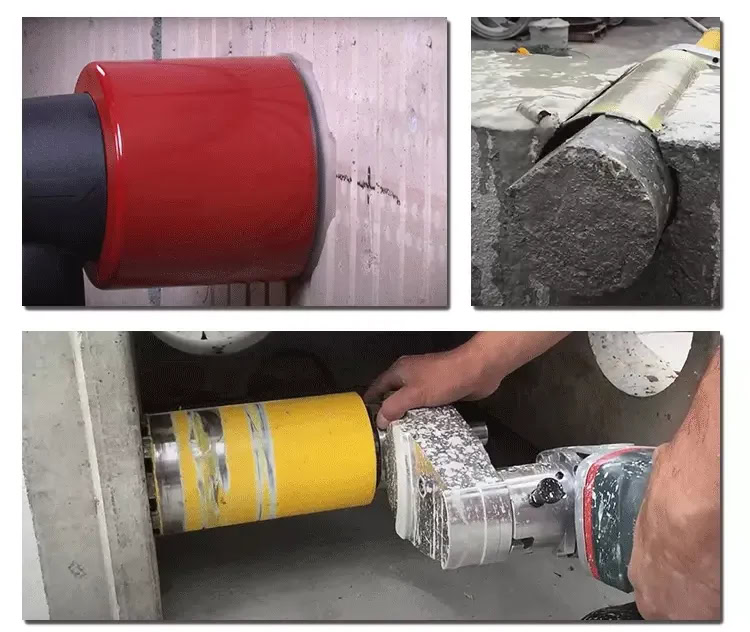
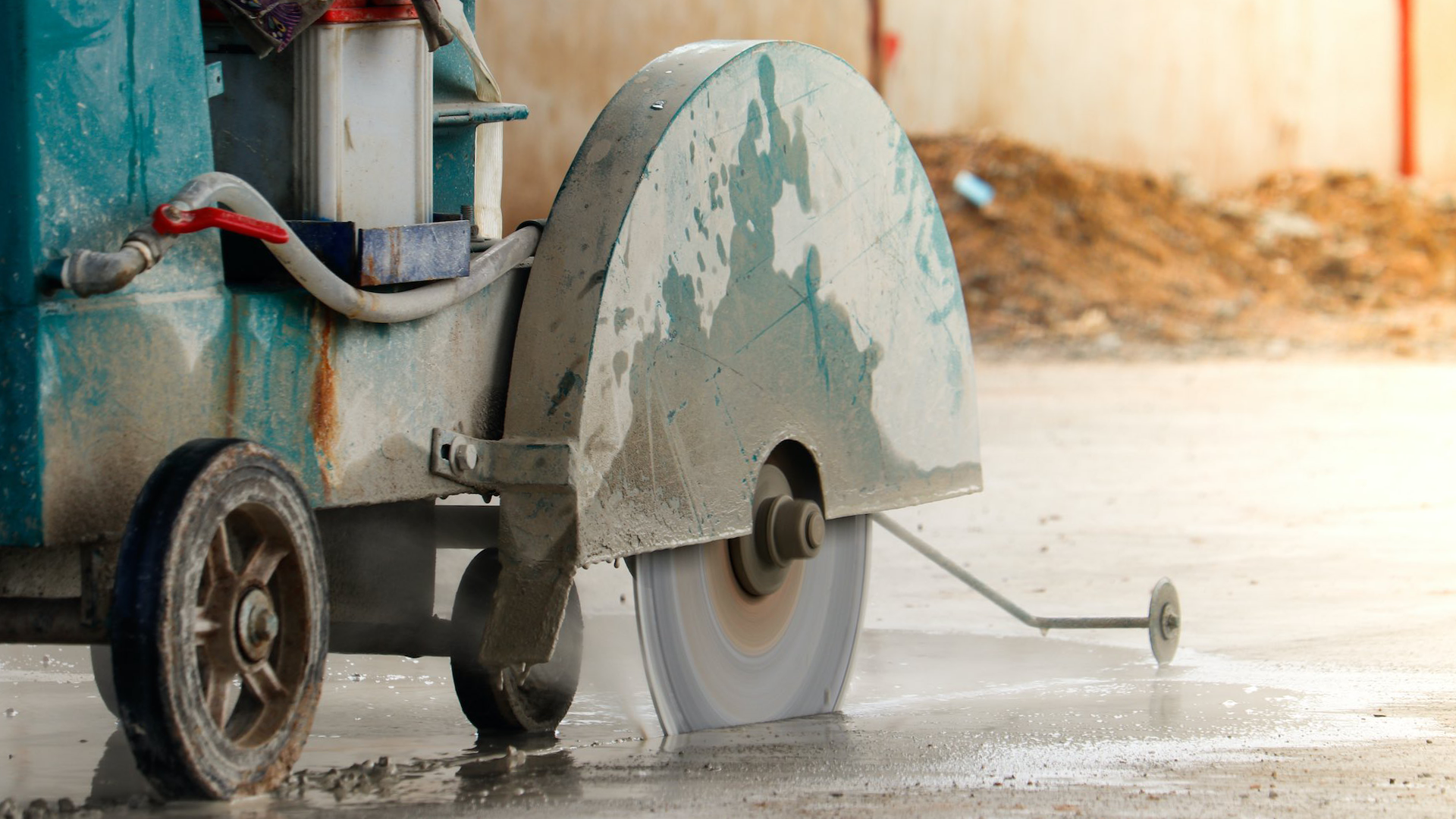
Core drilling is an efficient technique for creating precise holes in tough materials like concrete. Whether it’s for a small project or large-scale construction, using the right techniques ensures the best results. Here’s a simplified step-by-step guide on how to use a core drill for drilling.
Mastering core drilling requires more than just high-powered equipment; it requires the right synergy between the machine and the core drill bit for concrete. Whether you are installing plumbing, HVAC systems, or structural anchors, following a professional process ensures safety, precision, and the maximum lifespan of your diamond core bits.
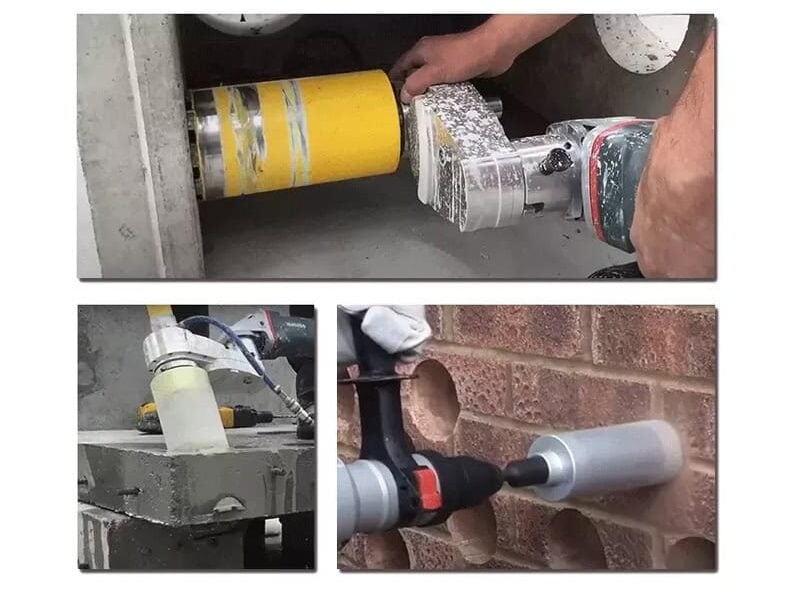
| Drilling Task | Equipment Recommended | Best Bit Type | Pro Tip |
| Small Utility Holes ( < 3″) | Handheld Core Drill | Diamond Core Bits (Turbo) | Use a starting guide to prevent “walking.” |
| Deep Structural Holes ( > 4″) | Rig-Mounted Core Drill | Laser Welded Core Drill Bit | Anchor the rig securely to prevent vibration. |
| Reinforced Concrete | High-Torque Core Rig | Wet Core Drilling Bits | Reduce speed when hitting steel rebar. |
| Masonry & Brick | Standard Power Drill | Dry Diamond Core Bits | Use vacuum dust extraction for indoor jobs. |
1. Set Up the Core Drill
Before starting, ensure the core drill is properly prepared:
- Handheld Core Drills: Securely attach the appropriate core bit to the drill’s chuck.
- Stand-Mounted Core Drills: Follow the manufacturer’s instructions to set up the drill, ensuring it is stable, aligned, and securely anchored to the surface.
2. Mark the Drilling Point
Mark the location of the hole on the concrete surface with a pencil or chalk. If drilling multiple holes, use a level or straight edge to ensure proper alignment.
3. Water Cooling System (If Applicable)
If your core drill has a water cooling system, activate it before starting the drilling. This helps cool the drill bit, reduces dust, and extends the life of the core bit.
4. Start Drilling
Position the core drill directly over the marked point on the concrete.
- Handheld Core Drills: Hold the drill firmly with both hands, ensuring it remains perpendicular to the surface.
- Stand-Mounted Core Drills: Use the handles and guides to ensure stability and alignment.
5. Apply Steady Pressure
Apply light, steady pressure to the core drill as it begins cutting. The diamond core bit does most of the work, so avoid forcing the drill, allowing it to cut smoothly and accurately.
6. Drill to Desired Depth
Increase the drilling speed as the core bit penetrates the concrete. Keep the drilling speed consistent for clean, precise holes. Occasionally, pull the core bit back to clear debris and prevent overheating.
7. Remove the Core Bit
Once the desired depth is reached, switch off the core drill. Carefully remove the core bit from the concrete. Use a wire brush or compressed air to clean the hole and remove any remaining debris.
8. Repeat if Needed
For additional holes, repeat the process. Ensure each hole is properly aligned. For larger projects, periodically check the temperature of the core bit and use water cooling as needed.
How to Choose the Right Diamond Core Bit for Concrete
Choosing the correct diamond core drill bit is one of the most important factors in achieving efficient and stable concrete drilling.
A core bit should not be selected by diameter alone. The correct specification depends on the target material, hole depth, drilling method, machine power, reinforcement level, and thread connection.
For professional concrete drilling, consider the following factors before choosing a core bit:
Target Material
Different materials require different diamond segment formulas.
Common applications include:
- Concrete
- Reinforced concrete
- Brick
- Masonry
- Concrete block
- Hard aggregate concrete
A concrete core drill bit designed for normal concrete may not provide the same performance when drilling heavily reinforced concrete.
For concrete containing steel reinforcement, choose a diamond core bit for reinforced concrete with a segment formulation designed to cut both aggregate and rebar.
Hole Diameter
The required hole diameter determines the core bit size and also affects machine power, torque, and operating speed.
Common core bit diameters include:
- 52 mm
- 62 mm
- 82 mm
- 102 mm
- 117 mm
- 127 mm
- 150 mm
- 200 mm and larger sizes
Larger diameter core bits generally require more torque and lower rotational speed.
Working Length
Working length should be selected according to the thickness of the wall, floor, or slab.
For deep drilling, users may require:
- Longer core barrels
- Extension rods
- Multi-stage drilling
- Core removal between passes
Segment Design
Common diamond segment designs include:
- Standard segments
- Turbo segments
- Roof-top segments
- Crown segments
- Mesh turbo segments
Different segment shapes affect starting performance, drilling speed, cooling, and slurry removal.
Thread Connection
The core bit connection must match the spindle of the drilling machine.
Common thread types include:
- 1-1/4″ UNC
- 1/2″ BSP
- M16
- M22
- Other machine-specific connections
For distributors and OEM buyers, thread connections can often be customized according to the target market.
Wet vs Dry Diamond Core Bits: Which One Should You Use?
Both wet diamond core bits and dry diamond core bits are used for construction drilling, but they are designed for different working conditions.
The best choice depends on the target material, drilling depth, hole diameter, water availability, and jobsite requirements.
Wet Diamond Core Bits
A wet diamond core bit for concrete uses water during drilling to cool the diamond segments and remove slurry from the cutting area.
Wet drilling is commonly recommended for:
- Reinforced concrete
- Hard concrete
- Large diameter holes
- Deep drilling
- Continuous professional drilling
- Concrete containing rebar
The main advantages of wet core drilling include:
- Better segment cooling
- Reduced airborne dust
- Improved slurry removal
- More stable drilling temperature
- Longer segment life in demanding applications
- Better performance in reinforced concrete
For structural concrete and frequent rebar contact, wet drilling is generally the preferred method.
Dry Diamond Core Bits
A dry diamond core bit is designed to drill without continuous water supply.
Dry drilling is commonly used for:
- Brick
- Masonry
- Concrete block
- Indoor renovation
- Electrical installation
- Water-restricted jobsites
The main advantages include:
- Faster setup
- No water management
- Easier indoor use
- Better portability
However, dry drilling generates more heat and dust.
For this reason, dry core bits require suitable segment design, controlled feed pressure, and effective dust extraction.
Wet vs Dry Core Bit Comparison
| Feature | Wet Diamond Core Bit | Dry Diamond Core Bit |
|---|---|---|
| Cooling | Water | Air |
| Dust | Lower | Higher |
| Reinforced Concrete | Highly suitable | Application-dependent |
| Deep Drilling | Excellent | More limited |
| Large Diameter Holes | Suitable | More demanding |
| Setup | Requires water supply | Faster setup |
| Typical Material | Concrete, reinforced concrete | Brick, masonry, block |
Best Core Bit for Reinforced Concrete and Rebar
Reinforced concrete combines hard mineral aggregate with embedded steel reinforcement, making it significantly more demanding than ordinary concrete.
For this reason, a standard masonry core bit may not provide sufficient cutting performance.
A professional core bit for rebar should be designed to handle both concrete and steel.
Why Reinforced Concrete Requires a Different Core Bit
When a diamond core bit reaches rebar:
- Drilling speed decreases
- Torque demand increases
- Heat generation increases
- Segment wear becomes more severe
- Cooling becomes more important
A bit designed only for masonry may wear quickly or lose cutting efficiency when it repeatedly contacts steel reinforcement.
Laser-Welded Core Drill Bits
For demanding reinforced concrete drilling, a laser welded core drill bit is commonly recommended.
Laser welding creates a strong connection between the diamond segment and steel barrel.
This is especially important when drilling:
- Hard concrete
- Reinforced concrete
- Structural walls
- Thick slabs
- Concrete containing heavy rebar
However, welding alone does not determine performance.
The overall drilling efficiency also depends on:
- Diamond concentration
- Bond hardness
- Segment shape
- Barrel quality
- Machine power
- RPM
- Water flow
How to Drill Through Rebar More Efficiently
When the core bit reaches reinforcement:
- Maintain stable feed pressure
- Avoid forcing the machine
- Use sufficient water cooling
- Keep the drilling machine aligned
- Use the recommended RPM
- Select a reinforced-concrete-specific segment formula
For frequent rebar cutting, choosing the correct diamond core bit for reinforced concrete can significantly improve segment life and drilling consistency.
Core Bit Sizes, Working Lengths and Thread Connections
A diamond core bit specification normally includes three key dimensions:
- Diameter
- Working length
- Thread connection
These specifications must match both the drilling application and the machine.
Common Diamond Core Bit Sizes
Popular sizes include:
- 52 mm diamond core bit
- 62 mm diamond core bit
- 82 mm diamond core bit
- 102 mm diamond core bit
- 117 mm diamond core bit
- 127 mm diamond core bit
- 150 mm diamond core bit
- 200 mm diamond core bit
Larger custom diameters are also available for professional construction and infrastructure work.
How to Choose Core Bit Diameter
Choose the diameter according to the required finished opening.
Typical applications include:
- Small electrical conduit
- Plumbing pipes
- Drainage
- HVAC installation
- Utility penetrations
- Concrete sampling
Do not choose the bit solely based on the pipe diameter. Allow sufficient clearance for sleeves, insulation, or installation requirements.
Choosing the Correct Working Length
Core bit working length should be longer than the required drilling depth.
For thicker walls or slabs, users may need:
- Long core barrels
- Extension rods
- Multi-stage drilling
A longer barrel is not always better, because excessive length can reduce drilling stability if the machine is not properly aligned.
Common Thread Connections
Core drill machines use different spindle standards.
Common connections include:
- 1-1/4″ UNC diamond core bit
- 1/2″ BSP diamond core bit
- M16
- M22
Before ordering, confirm:
- Machine brand
- Machine model
- Spindle type
- Core bit diameter
- Required drilling depth
Diamond Core Bits for Plumbing, HVAC and Electrical Installation
Diamond core drilling is widely used to create clean, round openings for mechanical and utility installations.
Different applications require different hole sizes and core bit specifications.
Diamond Core Bit for Plumbing
Plumbing applications often require holes through concrete walls, floors, and slabs.
Typical uses include:
- Water pipes
- Drainage pipes
- Waste pipes
- Sewer connections
- Fire protection piping
A diamond core bit for plumbing provides accurate round holes and reduces unnecessary damage around the opening.
For reinforced concrete walls, wet drilling with a laser-welded core bit is commonly used.
Core Bit for HVAC Installation
HVAC systems often require larger wall and floor penetrations.
Applications include:
- Refrigerant lines
- Ventilation pipes
- Drain lines
- Mechanical services
- Air-conditioning installation
A core bit for HVAC installation should be selected according to the required finished hole diameter and wall thickness.
For larger openings, a stand-mounted core drill can provide better stability and alignment.
Diamond Core Bit for Electrical Conduit
Electrical contractors use core drill bits for:
- Cable conduit
- Utility sleeves
- Electrical penetrations
- Data cables
- Communication lines
Smaller-diameter diamond core bits are commonly used for electrical installation.
For deep walls or reinforced concrete, wet drilling may provide better drilling stability.
Core Bit for Utility Penetrations
Utility contractors may require holes for:
- Water
- Gas
- Electrical
- Communication
- Drainage
For repeated professional use, choosing the correct diameter, working length, segment formula, and thread connection can improve productivity and reduce tool replacement costs.
OEM and Wholesale Diamond Core Drill Bits
For distributors, contractors, and private-label tool brands, diamond core drill bits can be customized for different markets and drilling conditions.
Johnson Tools supplies diamond core drill bits for concrete, reinforced concrete, masonry, brick, and construction applications.
OEM and wholesale options can include:
Custom Diameter
Core bits can be produced in standard and custom diameters according to local market demand.
Custom Working Length
Different barrel lengths can be manufactured for:
- Standard wall drilling
- Thick concrete
- Deep drilling
- Special construction applications
Custom Thread Connections
Available connection options may include:
- 1-1/4″ UNC
- 1/2″ BSP
- M16
- M22
- Other customized threads
Custom Diamond Segment Formula
Segment specifications can be adjusted according to:
- Concrete hardness
- Aggregate type
- Rebar content
- Wet or dry drilling
- Machine power
- Desired cutting speed
- Required tool life
OEM Branding and Packaging
For wholesale and private-label customers, customization can include:
- Laser-marked logo
- Custom color
- Product label
- Packaging
- Barcode
- Private brand design
Information to Provide for a Custom Core Bit
For accurate product recommendations, customers should provide:
- Required diameter
- Working length
- Target material
- Rebar level
- Wet or dry drilling
- Machine model
- Thread connection
- Order quantity
This information helps determine the most suitable diamond core drill bit specification for the application.
Expert Tips for Handling Rebar and Hard Aggregates
When your core drill bit for concrete encounters rebar, you will feel a change in vibration and see gray metal shavings in the slurry.
- Reduce Pressure: Let the diamonds grind through the steel at their own pace.
- Maintain Water Flow: Cooling is vital when cutting steel to prevent the segments of your diamond core bits from detaching.
- Use Laser-Welded Bits: For heavy reinforcement, always use laser-welded diamond saw blades and core bits for maximum safety.
Conclusion
Core drilling is a precise and efficient method for creating clean holes in concrete. By following this guide and using the proper equipment, you can achieve professional-level results. Always prioritize safety, and with practice, you’ll master the technique of core drilling.
Frequently Asked Questions About Core Drills and Diamond Core Bits
1. What is the best core drill bit for concrete?
For concrete, a diamond core drill bit is generally the preferred choice because it can create clean, round holes with lower vibration than percussion drilling.
For reinforced concrete containing rebar, a laser-welded diamond core bit designed specifically for reinforced concrete is usually more suitable.
The correct bit should be selected according to:
- Concrete hardness
- Hole diameter
- Drilling depth
- Rebar content
- Wet or dry drilling
- Core drill machine
- Thread connection
2. Should I use a wet or dry diamond core bit?
A wet diamond core bit is generally recommended for hard concrete, reinforced concrete, deep drilling, and larger diameter holes because water helps cool the segments and remove slurry.
A dry diamond core bit is more convenient where water is unavailable or difficult to manage, such as indoor renovation, masonry, brick, or concrete block drilling.
For demanding reinforced concrete applications, wet drilling is usually preferred.
3. Can a diamond core bit drill through rebar?
Yes. A properly designed diamond core bit for reinforced concrete can cut through embedded rebar.
When the bit reaches steel reinforcement, drilling speed may decrease and heat generation may increase. Stable feed pressure, correct RPM, sufficient water cooling, and the right diamond segment formula are important for maintaining performance.
For frequent rebar cutting, a laser-welded core drill bit is commonly recommended.
4. What size diamond core bit do I need?
The required core bit diameter depends on the final hole size and application.
Common sizes include:
- 52 mm core bit
- 82 mm core bit
- 102 mm core bit
- 117 mm core bit
- 150 mm core bit
- Larger custom diameters
Typical applications include plumbing pipes, HVAC openings, electrical conduit, drainage systems, and utility penetrations.
Always choose the core bit according to the required finished-hole diameter rather than the pipe size alone.
5. What is the difference between a 1-1/4″ UNC and 1/2″ BSP core bit?
These are two common thread connections used on diamond core drill bits.
A 1-1/4″ UNC diamond core bit is widely used on professional core drilling machines, especially for larger diameters and heavy-duty concrete drilling.
A 1/2″ BSP core bit is commonly used on smaller core bits and some regional machine systems.
Before ordering, always check the spindle connection of your core drill machine.
6. How deep can a diamond core drill bit drill?
Drilling depth depends on the working length of the core bit, machine stroke, and whether extension rods are used.
For deeper holes, contractors may use:
- Longer core barrels
- Extension rods
- Multiple drilling stages
- Core removal between passes
For deep concrete drilling, a stable stand-mounted core drill is usually preferred.
7. Why is my diamond core bit not cutting?
A diamond core bit may stop cutting efficiently because of:
- Glazed diamond segments
- Incorrect RPM
- Insufficient water flow
- Excessive feed pressure
- Wrong segment bond for the concrete
- Heavy rebar contact
- Worn diamond segments
If the segments are glazed, dressing may help expose fresh diamond particles.
If cutting remains poor after checking the machine and operating conditions, the bit may need replacement.
8. Why is my core drill overheating?
Core drill overheating is usually caused by excessive friction or insufficient cooling.
Common causes include:
- Low water flow
- Excessive drilling pressure
- Incorrect RPM
- Poor slurry removal
- Dry drilling with an unsuitable bit
For wet drilling, increase water flow and avoid forcing the bit.
For dry drilling, use a core bit specifically designed for dry applications and allow adequate cooling.
9. Can I use a handheld core drill for large holes?
It depends on the machine model, hole diameter, drilling depth, material, and drilling orientation.
Handheld core drills are commonly used for smaller or medium-sized holes where portability is important.
For larger diameters, deeper holes, or reinforced concrete, a stand-mounted core drill generally provides better stability, accuracy, and operator control.
Always follow the machine manufacturer’s recommended drilling capacity.
10. What type of diamond segment is best for concrete core drilling?
There is no single segment design that is best for every application.
Common options include:
- Standard segments
- Turbo segments
- Roof-top segments
- Crown segments
- Mesh turbo segments
The best segment depends on concrete hardness, aggregate type, rebar content, machine power, and wet or dry drilling conditions.
For professional buyers, segment bond and diamond concentration can also be customized for specific markets.
11. How long does a diamond core bit last?
Diamond core bit life varies greatly depending on:
- Concrete hardness
- Aggregate
- Rebar content
- Segment formula
- Water flow
- RPM
- Feed pressure
- Machine alignment
- Drilling depth
There is no universal service-life figure.
A correctly matched core bit used at the proper speed and cooling conditions will generally provide more stable and predictable performance.
12. Can diamond core bits be customized for OEM or wholesale orders?
Yes. Diamond core drill bits can be customized for distributors, contractors, and private-label tool brands.
Common OEM options include:
- Custom diameter
- Custom working length
- 1-1/4″ UNC or other thread connections
- Wet or dry drilling specification
- Different diamond segment formulas
- Turbo or roof-top segment designs
- Logo marking
- Private-label packaging
- Bulk wholesale supply
For custom core bits, it is helpful to provide the target material, required diameter, working length, machine model, thread connection, and expected order quantity.
Recommended Drilling Solutions from Johnson Tools
As a manufacturer with over 20 years of experience, we recommend the following tools for your next project:
- [OD25-700mm Wet Diamond Core Bits]: Our top-selling laser-welded core drill bit for reinforced concrete and hard stone.
- [82mm Turbo Segment Dry Core Bit]: Ideal for fast, efficient core drilling in masonry without the mess of water.
- [Durable Diamond Segments]: High-efficiency segments for retipping your existing concrete drill bits.