Skip to main content Skip to footer
Introduction: Why Diamond Blades Are Essential in Modern Cutting
Diamond blades are the bedrock of the construction and fabrication industries. They offer unmatched hardness, exceptional wear resistance, and incredible precision. If you are involved in heavy-duty cutting, you already know their value.
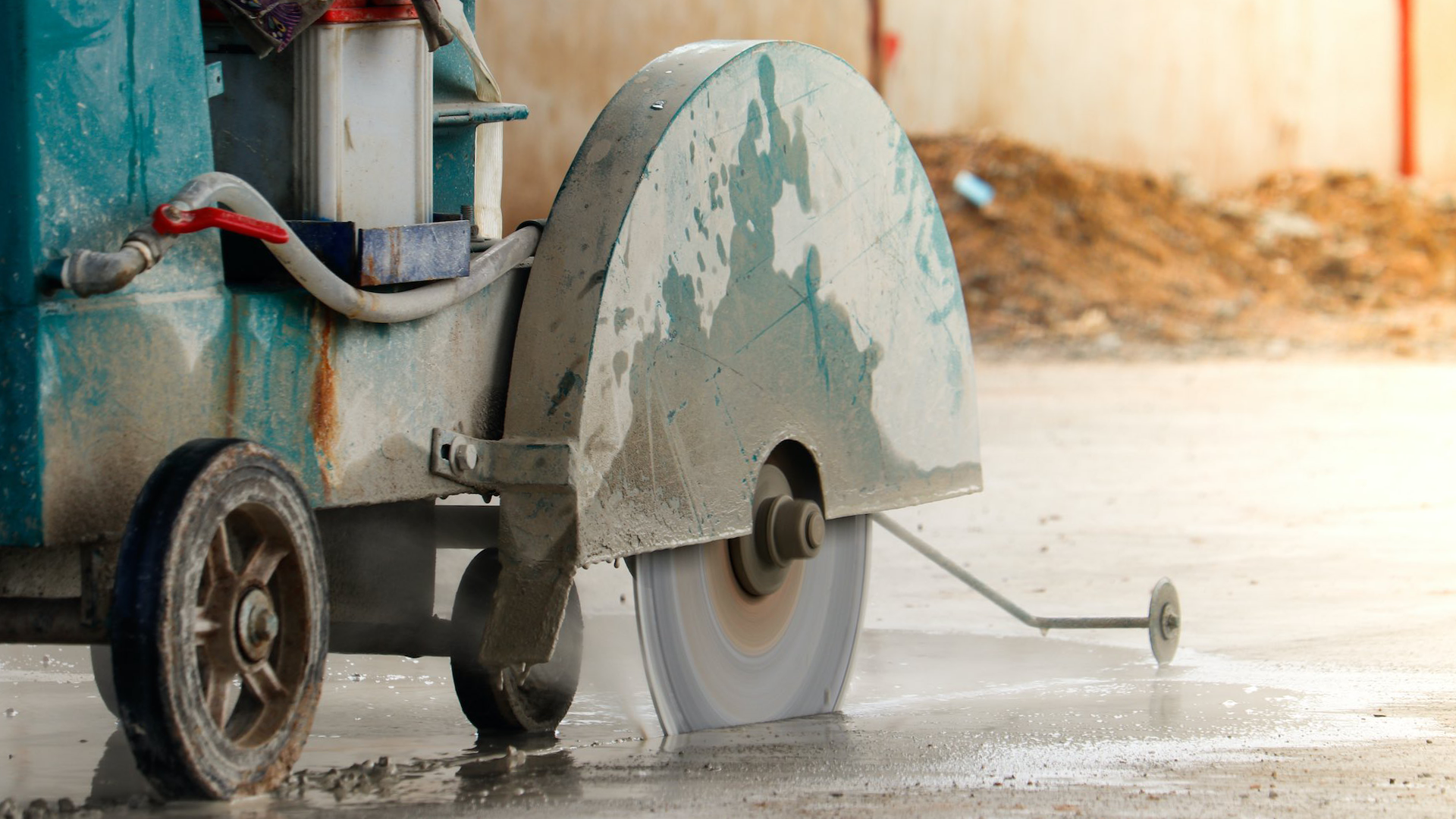
You will find diamond saw blades used extensively around the world. They are vital for tasks requiring extreme durability. Typically, they are used for cutting stone, concrete, ceramics, and metal. These machines handle materials that standard saw blades simply cannot manage. A high-quality diamond blade is more than a simple tool. It is an investment in efficiency and productivity for your business.
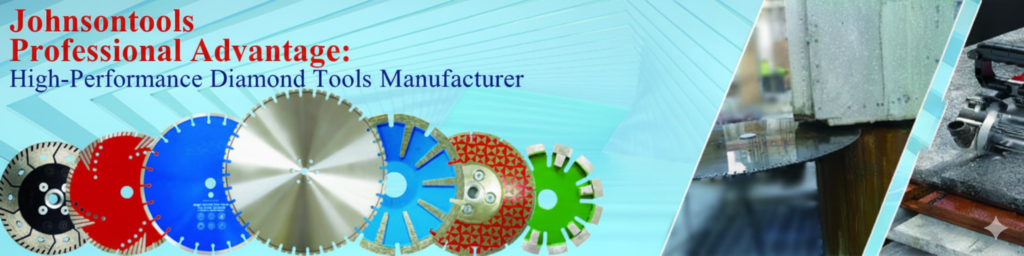
This is where Johnsontools excels. We are a trusted manufacturer of high-performance diamond saw blades. Our products are engineered for rigorous industrial and contractor use. We focus on delivering the reliability and precision your business requires. Our goal is to ensure you have the best tools for every project.
What Is a Diamond Blade Made Of
To truly appreciate a diamond blade, you must know what lies beneath the surface. It is a carefully engineered composite structure. The two primary components are the steel core and the diamond segments.
Steel Core
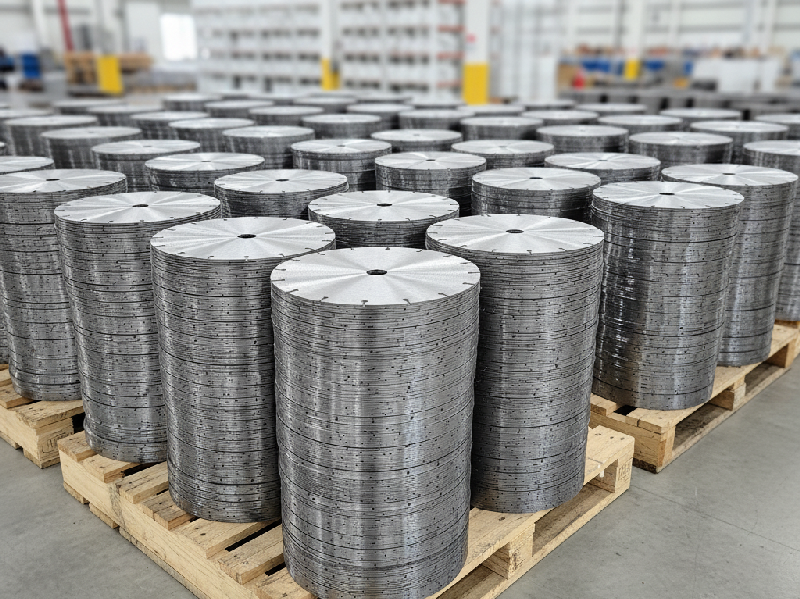
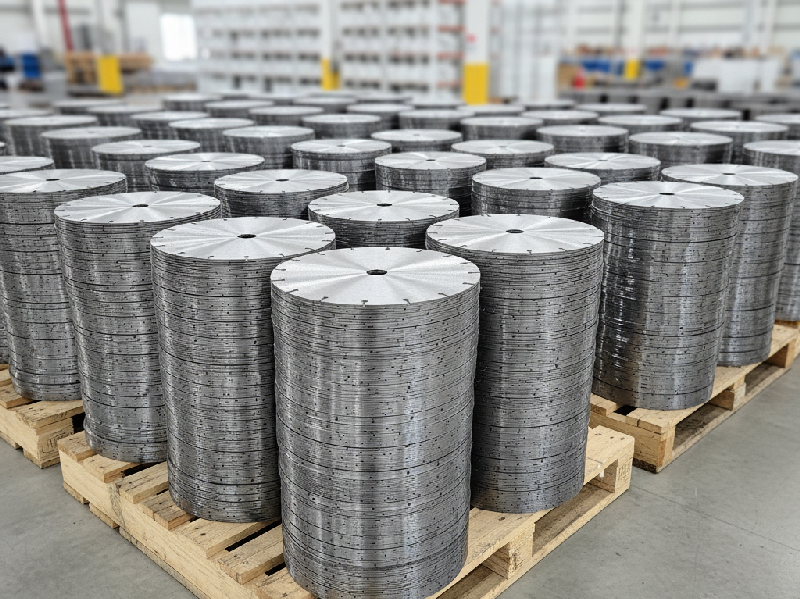
The steel core is the foundation. It provides the necessary structural integrity for the entire blade. It is typically made from a high-strength alloy steel. Common materials include 75Cr1, 30CrMo, or 50Mn2V. These materials are chosen specifically for their rigidity and excellent vibration resistance.
This core is machined to exacting tolerances. This ensures your blade remains perfectly balanced for a straight cut. It also prevents excessive wobble, which reduces wear on your machines. The steel supports the segments and absorbs the forces generated during cutting.
Diamond Segments

The diamond segments act as the primary cutting teeth of the blade. Rather than simple metal blocks, they are highly engineered composites consisting of premium synthetic diamond particles suspended within a precision-formulated metal bond matrix. This specialized binder securely anchors the specific diamond grit concentration to endure extreme lateral torque during heavy-duty applications.
The most common bonding metal powders utilized in the industry include copper, cobalt, iron, and nickel. During operation, it is the diamond crystals that perform the actual shearing, while the metal binder intentionally wears away. This controlled erosion is a critical self-sharpening mechanism that continuously exposes fresh, razor-sharp diamond edges. If this process is disrupted, operators will experience severe blade glazing, where the metal melts over the diamonds and the blade stops cutting entirely.
Furthermore, a premium metal bond facilitates rapid heat dissipation, drawing extreme thermal friction away from the cutting edge. This actively prevents catastrophic blade overheating & warping or premature segment loss under intense pressure.
The Golden Rule: Metal Bond Matrix Hardness
Understanding metal bond matrix hardness is the ultimate secret to maximizing your tool’s lifespan. The fundamental rule of diamond tooling dictates: use a soft bond matrix for hard materials, and a hard bond for soft, abrasive materials.
- When slicing through dense substrates like cured granite or heavily reinforced concrete with rebar , a softer bond is strictly required so that it sheds quickly, continuously exposing new sharp diamonds.
- Conversely, tackling highly abrasive materials like abrasive green concrete & asphalt demands a harder bond to securely hold the diamonds in place against severe slurry friction.
Partnering with a verified diamond tool manufacturer ensures your wholesale diamond saw blades are custom-calibrated to these exact physical specifications, saving your commercial fleet significant downtime.
Welding Technology

The method used to attach the diamond segments to the steel core directly dictates the segment weld strength and the blade’s safety under intense lateral pressure. Understanding the differences is critical when sourcing wholesale diamond saw blades. Let’s break down the three primary manufacturing technologies:
- Laser-Welded Technology: This represents the absolute pinnacle of industrial cutting safety. A high-energy laser beam fuses the metal bond matrix of the segment directly to the steel core at a molecular level. This creates an unbreakable joint with extreme high-temperature resistance. When commercial contractors are executing deep cuts in heavily reinforced concrete with rebar or hard granite, laser-welded blades are strictly mandatory. This premium process guarantees ultimate drop-off prevention and completely eliminates the risk of catastrophic premature segment loss under extreme torque.
- Silver-Brazed Technology: This technique involves melting a silver alloy to join the segment and the steel core. Because the brazing alloy melts at lower temperatures, these blades are specifically engineered for wet cutting environments where water cooling prevents thermal stress & steel core warping. When paired with a continuous water feed, silver-brazed continuous rim blades are highly cost-effective and excel at delivering a flawless, porcelain tile chip-free finish and slicing through delicate marble or cured concrete.
- Sintered Technology (Hot/Cold Pressed): In this traditional method, the diamond grit and metal powders are compressed and baked in a furnace until they fuse directly to the core. Understanding the limits of laser-welded vs. sintered blades is crucial for procurement. While sintered technology is highly affordable, its structural strength is generally lower, making it unsuitable for heavy-duty demolition. However, when operated at the optimal peripheral speed (RPM), smaller diameter sintered blades are excellent for general-purpose masonry, DIY projects, or light-duty tile cutting.
Main Types of Diamond Blades and Their Applications
Choosing the appropriate diamond blade for your machines directly impacts profitability. Each design is optimized for a specific type of cut and material. Understanding these differences allows you to deliver better service to your customers.
| Type | Features | Recommended Use |
| Segmented Blade | Fast cutting and better cooling | Concrete, granite, asphalt |
| Continuous Rim Blade | Smooth edge and clean cut | Ceramic, marble, glass |
| Turbo Blade | Combines speed and smooth finish | Brick, granite, concrete |
| Vacuum Brazed Blade | Ultra-sharp and aggressive | Metal, composites, fiberglass |
| Electroplated Blade | Thin and precise | Glass, jade, and fine cutting work |
How to Choose the Right Diamond Blade
Making the correct blade selection is one of the most important decisions you will make. It impacts both the quality of work and project time. For the best results, consider the material hardness and your preferred cutting method.

By Material Type
The material you’re cutting plays a big role in selecting the correct blade. Here’s what works best for each type:
- Hard materials: For cutting concrete, granite, and asphalt, use segmented or turbo blades. These blades provide fast cuts and help cool the blade, preventing overheating during extended use.
- Brittle materials: If you’re cutting tiles, ceramics, or glass, go with continuous rim blades. These blades offer smooth, clean cuts and reduce chipping.
- Metal or composite: When cutting metals or composite materials, vacuum brazed or electroplated blades are the best choice. They’re sharp and designed for precision, giving you clean and accurate cuts.
By Cutting Method
Your cutting method affects the blade performance. Here’s how to choose based on the method:
- Wet Cutting: This method involves a constant flow of water on the blade. The water serves two vital purposes. First, it acts as a coolant. It draws heat away from the diamond segments and the steel core. This prevents overheating, which is the number one cause of premature blade failure. Second, water controls dust. This is essential for health and safety on any site. Wet cutting generally provides the best cut quality and the longest life for the diamond saw blades.
- Dry Cutting: This method is often necessary for convenience or specific site limitations. It allows for quick, flexible setup. However, dry cutting generates much more heat and dust. When dry cutting, you must allow the blade to “rest.” You should lift the blade out of the cut for 10-20 seconds periodically. This allows air to cool the steel core. Never force a dry cut. Forcing it causes segments to overheat and break down rapidly.
Choosing the right diamond blade based on the material and cutting method helps ensure longer blade life and better performance. Make sure to select the blade that fits your specific cutting needs for the best results.
Recommended Applications of Diamond Saw Blades
Choosing the perfect tool makes your work much easier. Here are our recommendations for different industries.
Construction and Concrete Work
Big building projects need very strong tools because you must cut large concrete floors. You also cut slabs, bridge parts, and concrete with steel bars inside. Concrete is very abrasive, and it wears down a normal blade fast. You need a blade that handles this rough work, especially when working on tough materials.
When you cut reinforced concrete, you hit metal bars. So, you need a blade that must cut both the concrete and the steel. The Johnsontools Laser-Welded Concrete Blade does the job perfectly. With a 600-1800 mm diameter and segment thickness of 4.8/5mm, this diamond saw blade works best on concrete.
Stone Fabrication: Hard Granite & Engineered Quartz
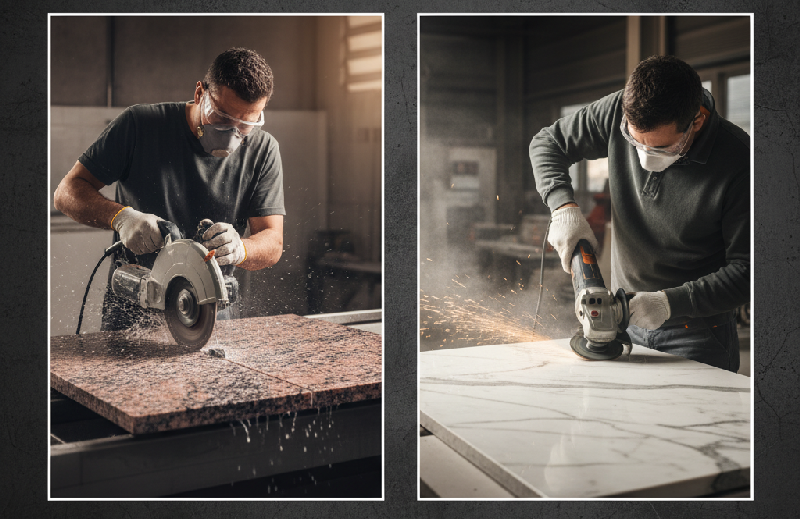
When fabricating high-density natural stone, such as hard granite, delicate marble, and engineered quartz slabs, absolute precision is non-negotiable. Chipping these expensive substrates can ruin a project, while commercial clients demand a flawless, factory-grade finish. To avoid surface micro-fractures, you need a blade that operates at the optimal peripheral speed (RPM) without damaging the surface edge. Cutting thick stone generates extreme thermal friction, requiring a blade engineered for optimal heat dissipation during continuous wet cutting applications. We highly recommend using a Continuous Turbo Diamond Blade for smooth edge profiling. This specialized diamond tool delivers aggressive stock removal while minimizing edge chipping. It is the ultimate choice for balancing rapid cutting efficiency with a high-quality aesthetic.
Tile and Ceramic Work: Large Format Porcelain Slabs
As a commercial contractor, cutting high-density large format porcelain slabs and hardened glazed tiles without any chips is critical. Any material breakage is costly and delays a flawless installation. For ultimate precision, especially when executing delicate 45-degree miter cuts, your blade requires an ultra-thin kerf design. This specialized geometry reduces cutting drag and strictly prevents blade deflection and wobbling. For minimal chipping, you need a continuous matrix that supports the material right up to the cut line, effectively eliminating the risk of thermal shock tile cracking. To achieve these exact results, deploy a Continuous Rim Electroplated Diamond Blade. This ultra-thin blade provides surgical precision. The continuous diamond rim ensures a flawlessly clean cut, making it the perfect tool for intricate tile work that standard sintered blades cannot handle. It guarantees a true porcelain tile chip-free finish.
Metal and Composite Cutting: Multi-Material Applications
Modern jobsites frequently require cutting substrates beyond standard masonry, including stainless steel, aluminum panels, and abrasive fiberglass. These tough, gummy materials demand specialized, heavy-duty industrial tooling. You need an exceptionally aggressive diamond grit concentration that powers through metal quickly without causing extreme heat build-up. For ultimate versatility, contractors require a solution designed for multi-material cutting without water that resists severe friction. We recommend utilizing Vacuum Brazed Diamond Blades for clean and rapid cuts. Engineered with advanced vacuum brazed technology, this tool offers extreme high-temperature resistance, making it perfect for intense dry cutting without blade warping and overheating. It cuts fast and leaves a smooth, burr-free edge, drastically saving you secondary clean-up time on the jobsite.
Usage and Maintenance Tips

Proper care ensures your blade lasts longer, works efficiently, and delivers the best cutting results. Here are a few tips to help you maintain your blade’s performance:
- Always check the blade rotation direction before installation. Installing the blade incorrectly can lead to poor cutting results and damage to the blade.
- Maintain steady feed pressure. Apply consistent pressure while cutting. Do not force the blade, as it could cause unnecessary wear or breakage.
- Keep a consistent water flow during wet cutting. Water cools the blade and prevents overheating, ensuring smoother cuts and extending blade life.
- Regularly clean segments. Remove metal buildup to maintain sharpness and performance, especially after cutting tough materials.
By following these simple tips, you can maximize the life and efficiency of your diamond blade. With proper care, your blade will continue to deliver precise and clean cuts, making your job easier and more efficient. Now that you know how to maintain your blade, let’s explore why choosing the right diamond blade is crucial for your business.
Why Choose Johnson Tools Diamond Blades
Your business depends on reliable, durable tools. Choosing Johnson Tools means partnering with a leader in diamond saw innovation. We are deeply interested in providing the best products to our global customers.
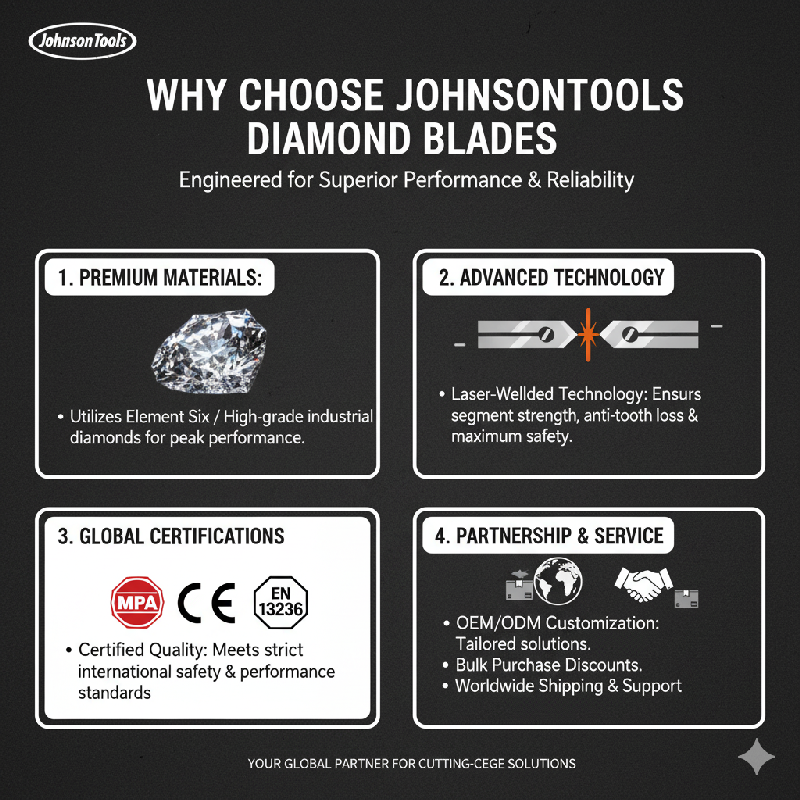
Our manufacturing process is uncompromising. We use only premium synthetic diamond materials. This includes high-grade materials like Element Six. This ensures maximum consistency and cutting performance. Our proprietary metal bond formulas are developed through years of R&D.
We employ advanced Laser-Welding technology. This ensures high segment retention and overall safety. All our products meet stringent global quality standards. We are certified by MPA, CE, and EN13236. This guarantees you are using safe, reliable tools on the job site.
For large-scale customers, we offer comprehensive OEM/ODM customization services. Whether you need private labeling or tailored specifications, we can deliver. Our global supply solutions ensure your cart of products arrives on time, anywhere in the world.
FAQs
What materials can a diamond blade cut?
A high-quality diamond blade is designed to cut almost any hard material. This includes all forms of stone, reinforced concrete, ceramics, glass, and most metal alloys. The specific blade type will determine its effectiveness on a given material.
How do you restore a dull diamond blade?
If your diamond blade seems dull, it may be glazed. The fix is called “dressing.” Simply make several cuts into a very soft, abrasive material. Cinder blocks, sandstone, or a dressing stone work best. This action aggressively wears away the dull metal bond. It exposes the fresh, sharp diamond particles underneath.
What’s the difference between wet and dry cutting?
The main difference is heat management and dust control. Wet cutting uses water to cool the blade and minimize dust. It results in a longer blade life and a finer cut. Dry cutting is faster to set up but requires the blade to rest periodically. You must never cut thick materials dry, as overheating is guaranteed.
How long should a diamond blade last?
The life of a diamond blade depends on several factors. This includes the material being cut, the cutting method (wet or dry), and the feed rate used. A well-maintained, high-quality blade used with wet cutting on general concrete can last many hours of continuous cut time. Poor use and maintenance can ruin a blade in less than a week.
Why is my diamond saw blade not cutting?
If your diamond saw stops cutting, it is likely glazed. The diamond particles are trapped inside the bond. Try dressing the blade by cutting an abrasive material. If the blade is old, the diamond layer might be completely gone. In that case, it is time for new saw blades and leave the old ones in the past.
Conclusion & CTA
The diamond blade combines advanced steel cores, sophisticated diamond segments, and modern welding innovation. The result is superior cutting performance in the world’s most demanding environments.
For your business to succeed in the present, you must move beyond general products. You need to select the right type of diamond saw for every task. Understanding their composition is the first step toward maximizing efficiency and blade life.
Explore the full range of Johnsontools Diamond Saw Blades page for concrete, stone, metal, and tile to boost your cutting efficiency and precision.