Skip to main content Skip to footer

Cutting tile, porcelain, or ceramic requires the right approach and proper tools to ensure a clean cut. The materials are tough and brittle, so one wrong move can result in chipping and cracking. Porcelain tile is denser and more durable than ceramic tile. It requires a diamond blade or wet saw for precise cuts on the tile’s surface.
In this article, we will talk about the best ways to cut tiles, the best tile cutter, nippers, or angle grinder to choose, and how to work with extra tile for the best results. Whether you are working on a bathroom floor, working around corners, or installing a backsplash, use this guide to avoid cracks on your tile work project.
What You Need to Cut Tile
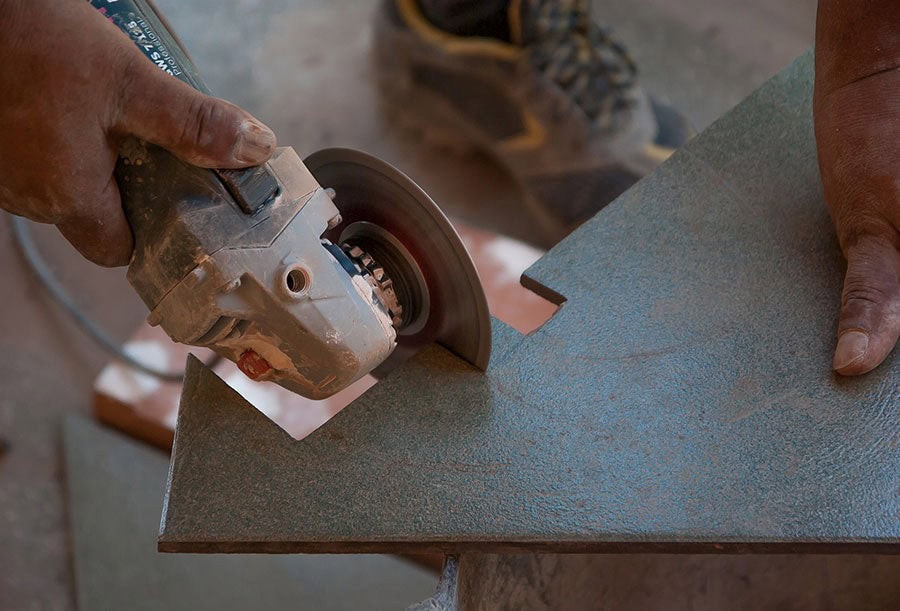
Before you start working on your tile, you must choose the right tools for the job. These depend on the size of your project, the tile material, and the type of cuts you need. When working with porcelain, ceramic, or stone tiles, use the right tools for a clean cut. This way, you can avoid chipping and wasting expensive models of tiles because of errors.
Choosing the Right Tool For Cutting Tile
Selecting the correct blade geometry is critical for balancing cutting speed with finish quality. Professional operators typically choose from three specialized rim profiles:
A. The Continuous Rim Blade
This is the traditional gold standard for achieving a flawless, glass-like finish on delicate ceramics and glass tiles.
- Performance: Features a solid, uninterrupted cutting edge.
- Requirement: Because there are no slots to clear heat and slurry, continuous rim blades generally require a constant water supply (wet cutting) to prevent warping and glazing.
B. The X-Mesh (Turbo) Rim Blade
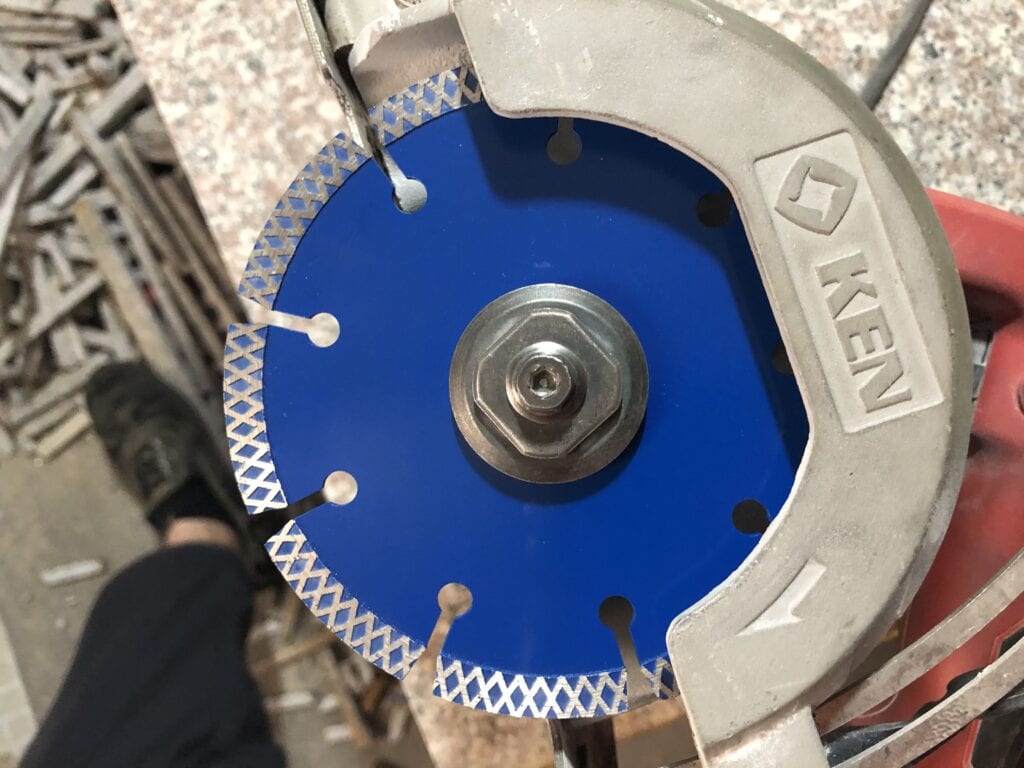
Designed for modern, ultra-hard porcelain and sintered stone, the X-Mesh diamond blade (or super thin turbo blade) features a unique interwoven mesh rim design.
- Performance: The mesh pattern significantly reduces friction and facilitates rapid cooling. This allows the blade to cut extremely fast and exceptionally clean, even without water (dry cutting).
- Advantage: It is the go-to choice for contractors using high-speed angle grinders for fast, chip-free straight cuts on the job site.
C. The J-Slot Continuous Rim Blade
This hybrid design incorporates precision laser-cut “J” shaped slots along the steel core.
- Performance: The slots absorb heat expansion and dissipate operational stress, preventing the steel core from warping under continuous high-volume cutting on wet tile saws.
Choosing the Best Blade for Cutting Tile
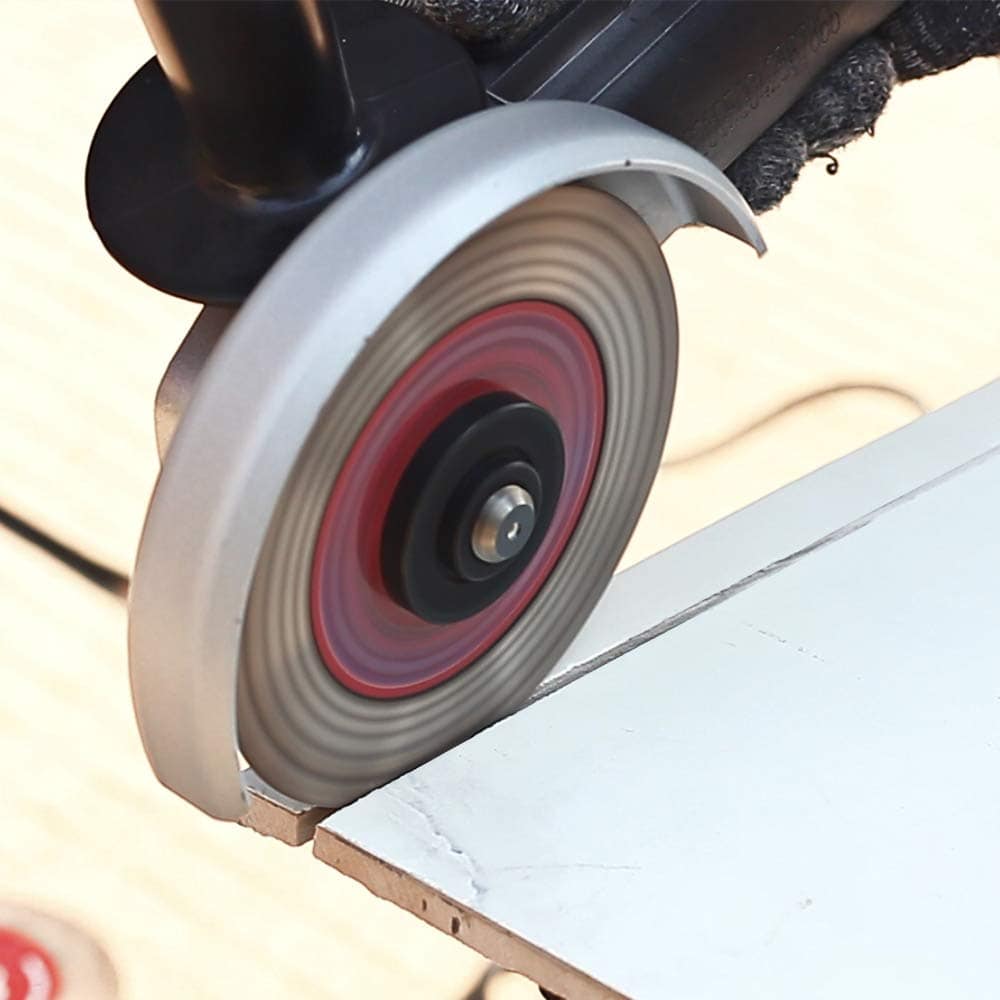
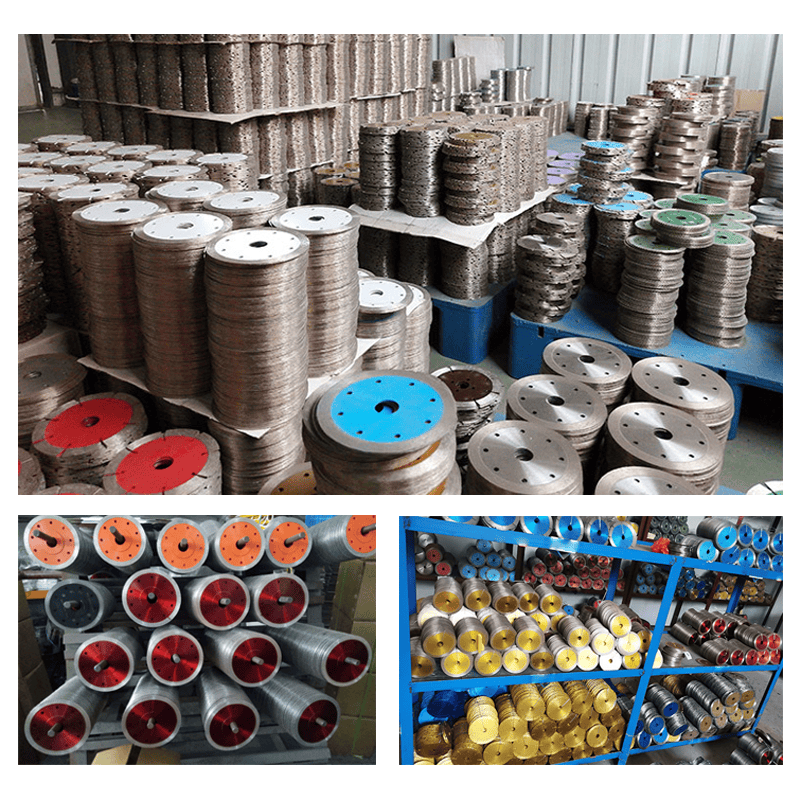
When choosing a tile cutter or saw, you must consider the type of blade, too. It’s the best way to ensure you achieve smooth and precise cuts on ceramic and porcelain tiles. Remember, using the wrong blade can cause chipped edges, broken tiles, and dust. Let’s look at the most common diamond blades and how to use them.
- Diamond Continuous Rim Blade – It is ideal for chip-free and clean cuts on one end of any type of tile. This blade is worth the money; despite operating more slowly, it offers maximum precision. It’s perfect for bathroom and kitchen projects, if you are looking to sell your house. The top recommended product is the DEWALT 7-Inch Continuous Rim Blade.
- Turbo Rim Diamond Blade – It offers faster cuts but maintains clean edges. You may experience some minor chipping, but it offers a proper balance, especially for DIY jobs. The top recommended product is Bosch 4.5-Inch Turbo Rim Blade.
- Segmented Diamond Blade – It is used for fast and rough cuts, mostly for stone tiles or where precision isn’t necessary. It shouldn’t be used for visible edges or detailed work. The top recommended product is the Makita 7-Inch Segmented Blade.
How to Cut Tile (Step-by-Step Guide)
Learning how to cut tiles correctly is the best way to ensure a professional finish. Let’s look at the steps to follow for the best results.
Step 1: Gather Your Tools & Safety Gear
Make sure all the tools are within reach before you begin the job. The tools you need for the job include wet saws, manual tile cutters, angle grinders, tile nippers, clamps, painter’s tape, masking tape, PPE equipment, and a water source.
Step 2: Mark & Secure the Tile for Cutting
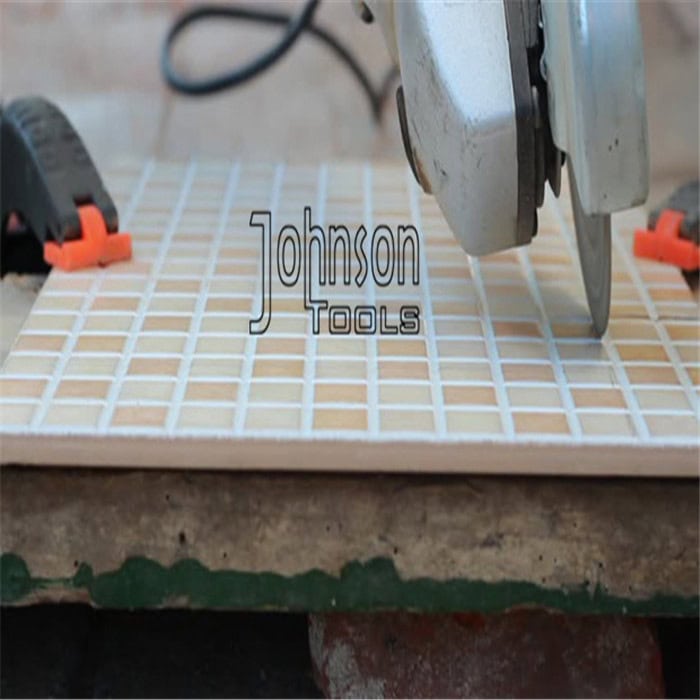
Start by marking the area properly using a grease pencil or a permanent marker, plus a straightedge to draw where to cut. The painter’s tape or masking tape will cover the area next to the cutting line to prevent chipping. Use the clamps to secure the tile on a stable work surface. Make sure it is steady to ensure a clean cut and prevent breaking.
Step 3: Cutting Methods Based on Tool Choice
How to Cut Porcelain Tile with a Manual Tile Cutter
First, align the tile on the cutter with the marked line. Use firm and steady pressure to score the tile’s surface and avoid multiple passes. Press down using the lever to break the tile along the scored line. Wear safety glasses and gloves in case the tile snaps unpredictably.
Cutting Tile with a Wet Saw
Add water to the saw’s reservoir to keep the diamond blade cool when cutting. Turn on the saw and let it reach the full RPM before you begin. Push the tile gently into the blade and apply even pressure. The water will keep the tile cool before reducing dust and cracking. It’s the best way to ensure precise cuts in areas such as the bathroom.
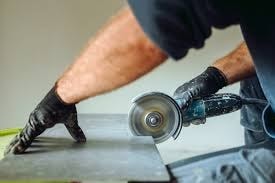
Cutting Tile with an Angle Grinder
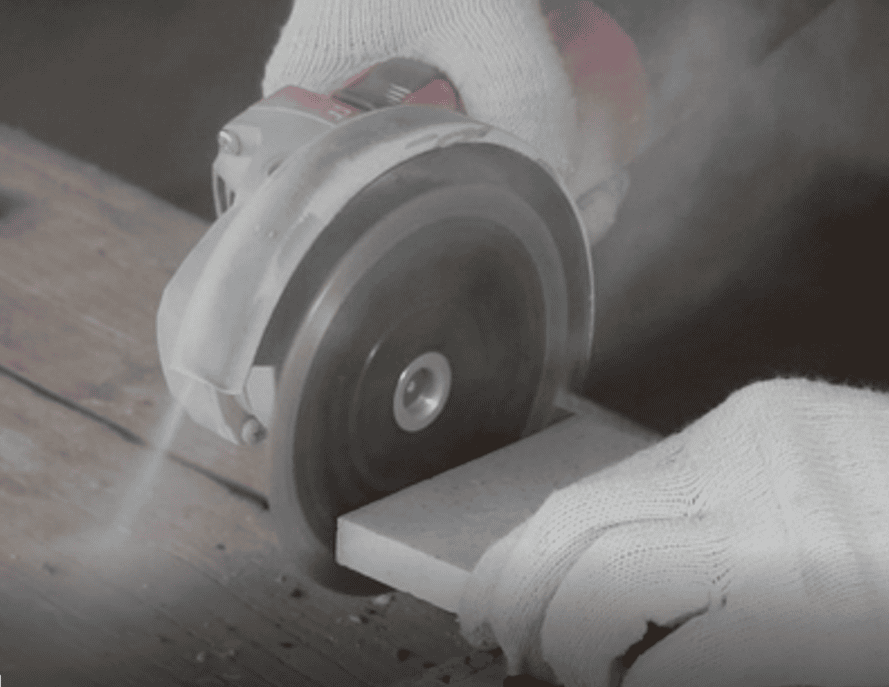
Fit the grinder with a continuous rim blade with a diamond tip. Use a lower speed then build up the RPMs. Use light and steady passes without forcing the blade. This reduces heat and prevents damage to the material. Make sure the grinder is continuously moving to avoid overheating or burn marks.
Cutting Tile with Tile Nippers (Small Adjustments & Shapes)
Use the tool to remove the small sections one by one. Next, you must apply even pressure and score to ensure the best results. Make sure the edges are smooth by using a stone.
Step 4: Finishing & Polishing the Cut
After cutting the tile, sharpen the edges using a sanding stone, tile file, or rubbing stone. It is applicable in tiles installed in heavy foot traffic areas to avoid injury. Use a damp cloth to remove debris, dust, and other marker lines present. For curved cuts, an angle grinder with a contour blade will match the shape precisely.
How to Cut Porcelain vs. Ceramic Tile
Different tile materials require different tools and processes for precise and clean cuts without any damage. Let’s look at the process for cutting each type of tile material.
Porcelain Tile
Porcelain is a really durable, hard-to-cut material. The best choice would be a wet saw with a diamond blade since it keeps the tile cool when cutting and avoids the cracking problem. The number one recommended tool is the DEWALT D24000S Wet Tile Saw.
Ceramic Tile
Ceramic tiles are generally softer and easier to cut, which is why a manual tile cutter is the most suitable. The best option for cutting straight lines on floors and walls is a manual tile cutter. The most popular tool is the QEP 35-Inch Manual Tile Cutter.
Mosaic Tile
Mosaic tiles are cut into small and delicate pieces, thereby requiring tile nippers to ensure detailed cuts and fitting around fixtures. The top recommended tool for cutting mosaic tile is QEP Tile Nippers.
Stone Tile
When cutting thick stone tile, you need an angle grinder with a diamond blade. It can guarantee custom shapes with such a thick material. The top recommended tool is the Makita 4.5-Inch Angle Grinder.
Common Problems & How to Avoid Them
A few issues can arise when cutting tile, especially if you’re not using the right tools and techniques. Let’s look at the common problems and their solutions:
Why is my tile cracking while cutting?
To prevent cracking when cutting tile, apply painter’s tape along the cut line. This reduces stress on the tile. Apply even pressure and cut slowly to allow the tool to do the work without any force.
Why are the edges chipping?
To avoid chipping when cutting tile, use a continuous rim diamond blade to ensure smooth and clean cuts. Make several shallow passes rather than forcing the blade to cut through the tile in one go.
How do I prevent overheating?
To keep the blade cool during cutting, use a wet saw with a water-cooled blade. It prevents the tile and blade from overheating, ensuring clean cuts without any damage to the tile.
What’s the best way to cut holes in tile?
Use a diamond hole saw when cutting holes in tile. It should have a water cooling design to avoid cracking and guarantee top precision.
Conclusion
Cutting tiles professionally requires the right tools and procedures. When making large cuts, wet saws offer precision, while an angle grinder offers detailed work and curves. Use a diamond blade to ensure the best clean and chip-free cuts. To prevent cracking, keep your blade cool with water and often use slow and controlled cuts. Invest in high-quality tile cutting tools and accessories to ensure the best results for all projects. Ready to take your tile cutting expertise to the next level? Buy the best tile cutters and saws today.