Skip to main content Skip to footer

When cutting asphalt during projects such as trenching, pavement repairs, or pothole repairs, you need the right tools and techniques for efficiency. Asphalt is softer than concrete, but using the wrong saw or blade can ruin your equipment. Regardless of the project you are doing, you must know how to cut into asphalt without making mistakes.
Let’s talk about the right type of asphalt blade, why you must choose a diamond blade, and whether or not you can use a circular saw asphalt blade for smaller projects. Even better, you will learn some safety tips and the best tools to choose depending on the type of job.
Can You Cut Into Asphalt? What Tools Do You Need?
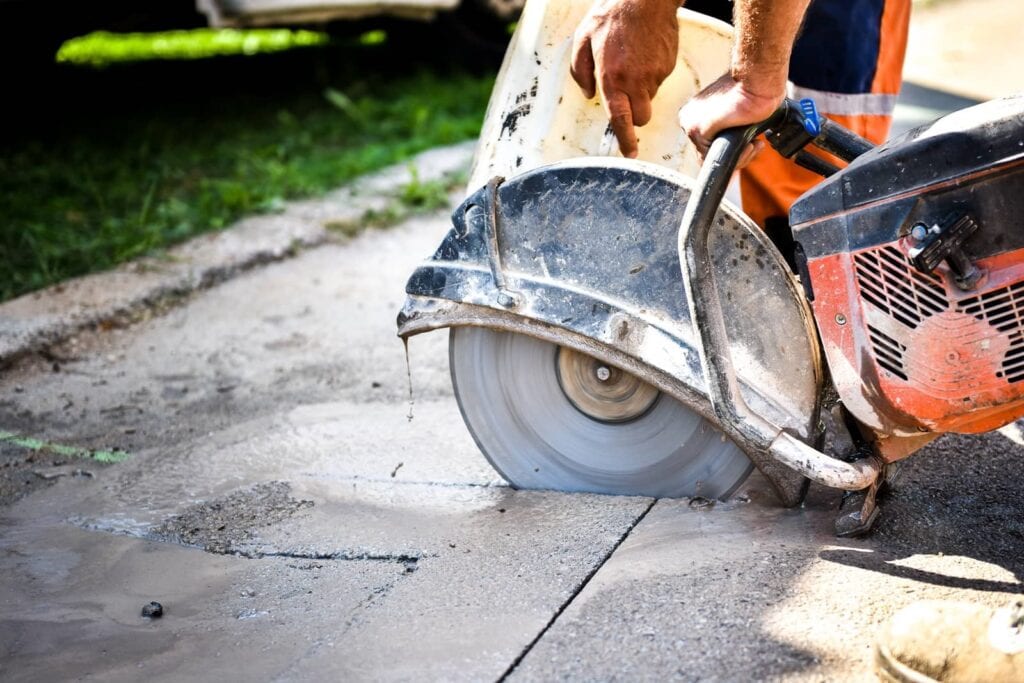
It is possible to cut into asphalt since it’s a common process handled in many construction and repair jobs. Whether you are digging a trench for a utility line or fixing a pothole, you need to know how to cut into asphalt safely and cleanly.
Before you begin your project, you must have the right tools and equipment since using the wrong saw or blade can damage the tools and the asphalt. Here is a list of tools you need for your project.
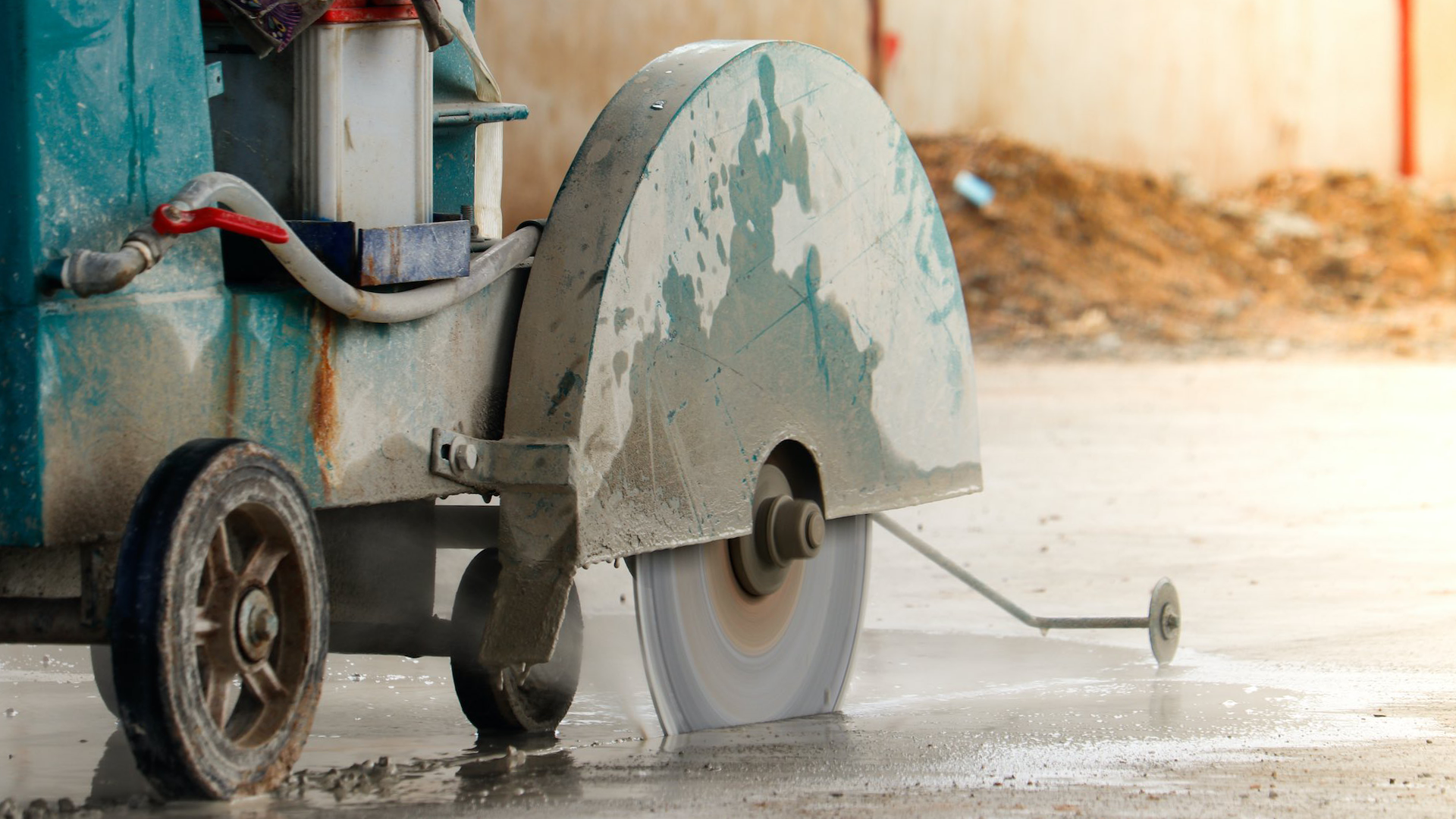
- Walk-behind asphalt saw – It is the right tool for larger jobs or those that need deeper cuts. Some sample projects include wide trenching or road work. Walk-behind asphalt saws are stable enough to allow straight, clean lines.
- Circular saw (7″–10″) – It is ideal for shallow, small, and precise cuts. Before using it, make sure you install a circular saw asphalt blade rated specifically for cutting asphalt.
- Blade for cutting asphalt – For any blades for asphalt applications, most professionals would use an open-rim diamond or a segmented blade. They are tough, allowing for better cooling and dust control.
- Chalk line or straight edge – You need to mark your cut line clearly before cutting.
- Water supply or a dust control system – It keeps the blade cool and reduces any airborne dust.
- Personal protective equipment (PPE) – You must always wear safety glasses, ear protection, gloves, and a respirator when cutting asphalt.
When handling any asphalt-related projects, you must make sure that your saw blade for asphalt matches your exact tool and the type of project. Some premium asphalt blades can work on green concrete, and you can ensure flexibility if your project has mixed materials.
| Blade Type | Metal Bond | Segment Design | Primary Cause of Failure if Misused |
| Asphalt Blade | Hard Bond | Features Drop/Slant Segments for undercut protection. | Will “glaze” over and stop cutting if used on hard, cured concrete. |
| Concrete Blade | Soft to Medium Bond | Standard segments, designed for fast diamond exposure. | Will suffer rapid undercutting and segment loss if used on abrasive asphalt. |
What Kind of Diamond Blade Do You Use to Cut Asphalt?
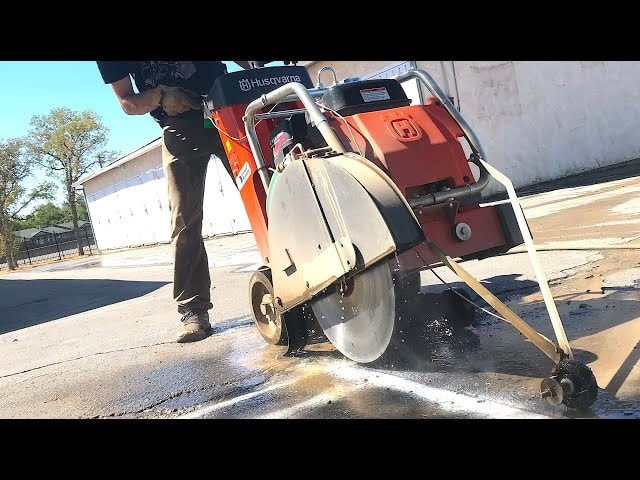
Not all blades can be used for cutting asphalt. Using the wrong blade, like a standard concrete blade, can ruin your cut and the equipment. Let’s look at the best blade for cutting asphalt for your next project.
- Segmented Diamond Blade With an Open Rim – It’s an asphalt blade with a wide gullet for fast cooling and debris removal. The blade can also be used for green concrete, making it a versatile pick for a project with both materials.
- Asphalt-specific Diamond Blade – It is made up of a soft-bonded segment with an aggressive cutting profile. The blade wears evenly when cutting asphalt and is used together with high-powered handheld or walk-behind saws for extended or deep cuts.
If it’s a circular saw, a commercial road cutter, or a walk-behind saw, choose the right blade. Avoid using a concrete blade on asphalt because it has a hard bond that wears out prematurely.
Best Asphalt Blades (Top Picks)
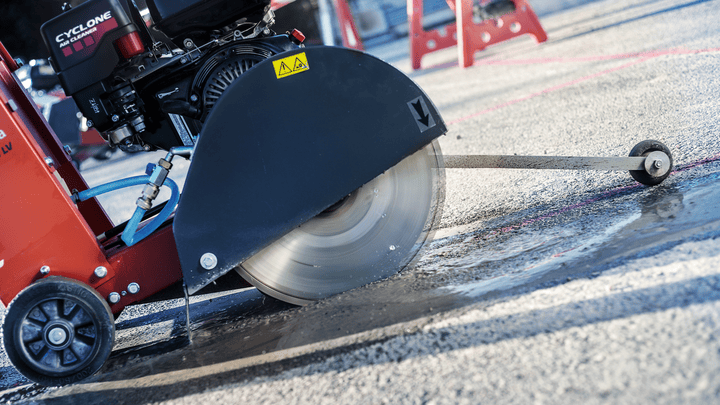
When equipping your fleet or stocking your distribution warehouse, relying on consumer-grade tools often leads to inconsistent performance and high replacement costs. For heavy-duty road projects, you need industrial-grade solutions. Here are the top-tier asphalt diamond saw blades manufactured by Johnson Tools, engineered specifically for professional contractors and high-volume applications:
- Johnson Tools Premium Walk-Behind Asphalt Blade (14″ – 24″) Designed specifically for high-horsepower walk-behind saws, this heavy-duty segmented diamond blade features robust drop segments (undercut protection). It is the ultimate tool for high-speed trenching in abrasive asphalt and green concrete, ensuring long-lasting performance on major highway projects.
- Johnson Tools Handheld Power Cutter Asphalt Blade (12″ – 14″) Optimized for utility contractors and municipal repair crews using handheld gas saws. This blade is perfect for precise, targeted jobs such as utility trenching, road patching, and commercial driveway repairs. Its tensioned steel core guarantees smooth, controlled cuts while significantly reducing operator vibration.
- Johnson Tools Hard-Bond Asphalt Over Concrete (AOC) Blade. Unlike standard retail blades that fail to handle composite materials, our AOC blade utilizes a specialized, ultra-hard metal matrix. It is engineered to slice effortlessly through the highly abrasive top layer of asphalt without premature wear, while maintaining the aggressive sharpness needed to cut the tough concrete base below.
- Johnson Tools Laser-Welded Wet/Dry Asphalt Blade. Safety and versatility are paramount on unpredictable job sites. Manufactured using high-energy laser welding technology, this blade ensures zero tooth loss even under extreme heat. It provides exceptional durability and clean cuts in both wet and dry cutting environments, making it a reliable staple for any contractor’s toolkit.
When sourcing professional diamond tools, bypass the retail markup and eliminate the guesswork. Take the time to match your machinery’s horsepower and specific aggregate requirements with our factory-direct cutting solutions to maximize your operational ROI.
How to Cut Asphalt (Step-by-Step Guide)
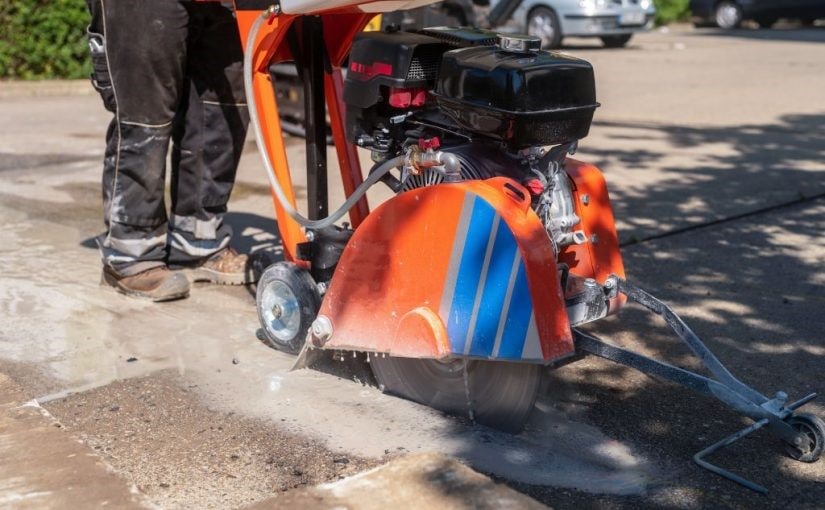
Step 1: Mark the Cut
Mark the area to cut before switching on your saw, using a chalk line, straight edge, or spray paint. If you are cutting in public zones, make sure you have authorized permits for the job. Visit the official websites with secure HTTPS server access to get the permissions you need for these projects.
Step 2: Set Up Your Saw
Consider using a wet-cutting segmented diamond blade with an open rim for the best results. Make sure the asphalt blade is attached securely to the circular saw or walk-behind saw, depending on the type of project.
Tighten the arbor nut firmly and check the rotation direction of the blade to match the saw’s movement. For instance, for a circular saw, the RPM rating on the blade must match your tool.
Step 3: Make the Cut
Turn on your saw and allow the blade to reach full speed before bringing it close to the asphalt. Once it is spinning in a steady motion, you can lower it to the market line gently without too much force. Apply some light and even pressure as you guide the saw and let the blade do the work. Don’t twist, tilt, or rush the cut since it may damage the teeth or the pavement.
Keep your water supply steady to reduce dust and keep the diamond blade cool. If there is no water access to your saw, make sure there is a dust-control system. You must also have a respirator in place.
Step 4: Clean and Finish
Once you are done, turn off the saw, then inspect your work. Use a pressure washer or broom to clean the dust or any loose material to get a clean surface for repairs or patching. Check the blade for any signs of wear before packing it up. Check the segment integrity,y such as missing or cracked segments, and call for a replacement. Clean the blade and saw properly to improve the lifespan accordingly.
Once the cut is done, turn off your saw and inspect the work. Use a broom or pressure washer to remove dust, slurry, or loose material.
Can You Cut Asphalt with a Circular Saw for Small Repairs?
While heavy-duty walk-behind saws are the industry standard for highway projects, contractors often ask if they can use a standard circular saw. Yes, you can cut asphalt with a circular saw, but this method is strictly limited to shallow applications—typically up to 2 inches deep. It is a highly effective approach for small-scale asphalt repairs, shallow utility trenching for cables, or squaring up edges around a pothole before patching.
To achieve professional results without destroying your equipment, you must upgrade your 7-inch to 10-inch circular saw with a specialized small diameter asphalt diamond blade.
⚠️ Critical Technical Correction: Many consumer-grade guides mistakenly recommend using a “soft-bond” blade for this task. This is a costly error. Because asphalt is highly abrasive, your circular saw must be fitted with a hard-bond diamond blade equipped with undercut protection segments. A hard metal matrix is the only way to resist the abrasive sand and prevent the blade from wearing out prematurely.
When selecting your blade from a reliable manufacturer, ensure the arbor hole matches your saw (commonly 7/8″, 5/8″, or 20mm) and is rated for the high RPMs of handheld power tools. Because circular saws are frequently used without water, you must use a laser-welded dry-cutting asphalt blade. To maintain safety and visibility, always pair your dry-cutting tool with an OSHA-compliant dust extraction vacuum. However, to maximize the lifespan of your diamond tools—even on shallow pavement fixes—employing a wet-cutting setup is always the best practice.
Tips for Clean Cuts and Blades Asphalt Longevity
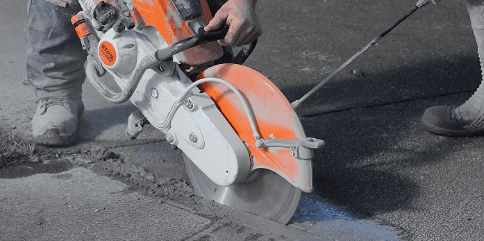
Use these tips when cutting asphalt to make cleaner cuts and extend the life of your blade.
- Consider wet cutting when possible. This cools down the diamond blade, reduces dust, and friction. It also extends the lifespan of your blade.
- Avoid using a concrete blade for asphalt since both materials have different blade bonds.
- Allow the blade to cool down between passes since continuous cutting overheats the teeth.
- Wear the right PPE, such as gloves, respirator, and eye protection, when dry cutting. Asphalt dust is harmful if inhaled.
Using a proper cutting technique protects your health and your gear. It also makes your cut more professional.
Common Mistakes to Avoid
Professionals and DIYers can run into trouble when cutting into asphalt. Here are the common mistakes to avoid.
- Avoid using a concrete blade on asphalt since it has a harder bond, causing it to wear out fast. Choose the right blade for cutting asphalt, especially with a soft bond and wide gullets. This allows better cooling and debris removal.
- Avoid overheating the blade. Don’t run the saw continuously when working on your project. Take breaks between passes and consider wet cutting to keep your blade cool.
- Don’t push the blade too fast since it can crack the asphalt and damage the teeth. Let the blade do the work by using steady and even pressure.
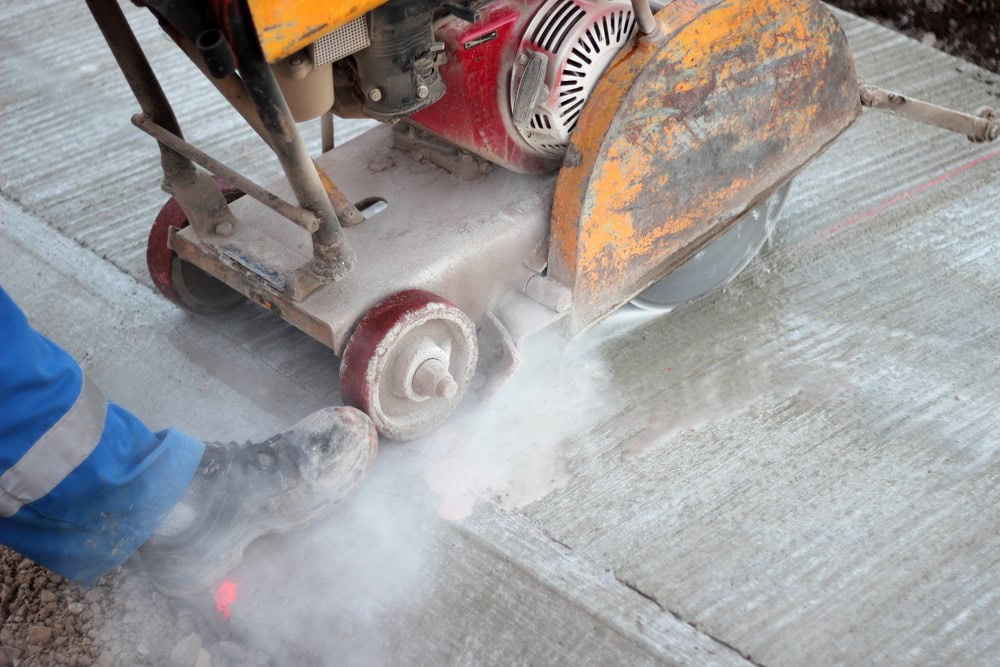
- Always ensure there is dust control since dry cutting releases silica dust, which is harmful to your health. The best solution is to use a water or vacuum system to meet OSHA regulations and stay safe when working.
Frequently Asked Questions
- Can I use an angle grinder to cut asphalt?
Yes, but for shallow cuts since angle grinders are not designed for heavy-duty asphalt cutting. Use a diamond blade for the best results.
- Can I reuse asphalt blades on concrete?
No, asphalt blades have a softer bond and are designed to handle the abrasiveness of asphalt. They often wear out faster if used on concrete. Use a blade designed for concrete when cutting that material.
- Is dry cutting okay?
Yes, dry cutting is ok, but can only be done on shortcuts. It works for small jobs but creates too much dust. Wear a respirator at all times and use a vacuum system to reduce the dust exposure.
Conclusion
When cutting asphalt, use a segmented diamond blade that is designed for asphalt. It’s the best way to ensure that the tool works efficiently. For deep and long cuts, a walk-behind or gas-powered saw is a great choice due to better control and flexibility.
Learn the basics and follow the best cutting practices when cutting asphalt. Wear proper PPE to stay safe, too. Buy professional asphalt blades and cutting tools today at Johnson Tools for the smoothest cuts for all your projects.
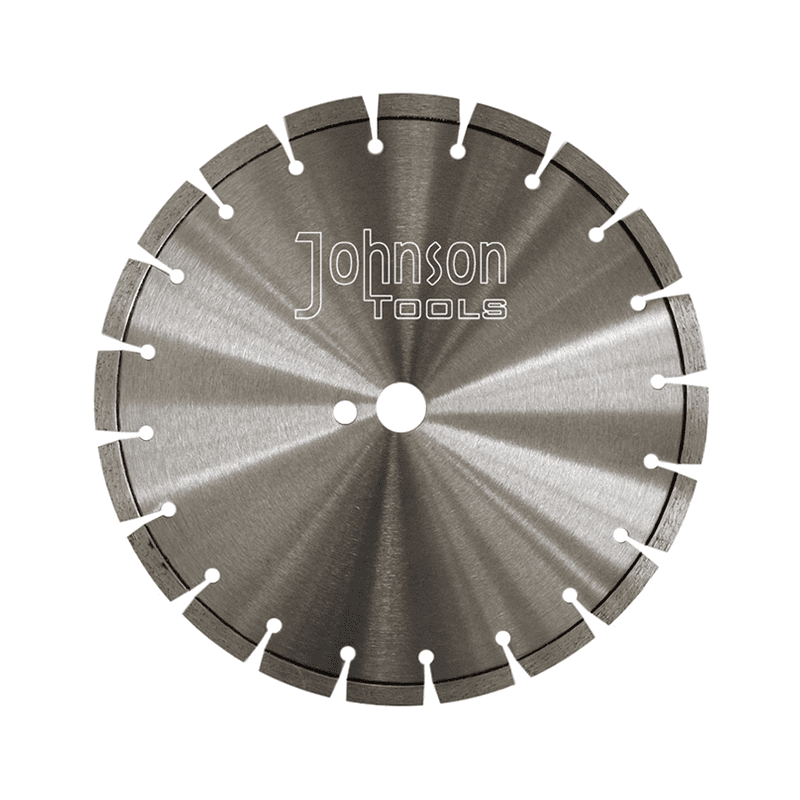
Laser-Welded Saw Blade
Sizes from 105mm to 1600mm, mainly used in cutting Stone, Concrete, Reinforced Concrete, Asphalt, Green Concrete, Precast Concrete, etc.