Skip to main content Skip to footer
Introduction
Precision grinding, coating removal, and polishing are essential steps in modern construction and renovation. Using the right tools not only saves time but also ensures top-quality finishes. This guide focuses on custom diamond cup wheels specifically designed for hand-held angle grinders, helping professional contractors achieve maximum efficiency in jobs involving concrete, stone, and other tough surfaces.
Whether you’re resurfacing a floor or removing stubborn epoxy coatings, understanding how to select and apply the right grinding wheel will optimize your workflow and results.

Diamond Cutting Wheel Diamond Tool Different Types Diamond Grinding Cup Wheel
Prerequisites: What You Need Before You Start
To ensure safety and efficiency, prepare the following before any grinding task:
| Tools & Equipment | Purpose |
|---|---|
| Angle grinder | Hand-held tool for operating the cup wheel |
| Diamond cup wheel | Custom-selected based on material and task |
| Protective gear | Includes safety glasses, gloves, ear protection, and dust mask |
| Vacuum or dust extraction | Keeps the workspace clean and breathable |
| Wrench or locking key | For installing the grinding wheel securely |
💡 For top-quality diamond cup wheels, check out Johnson Tools’ full range.
Step-by-Step Instructions for Optimal Use
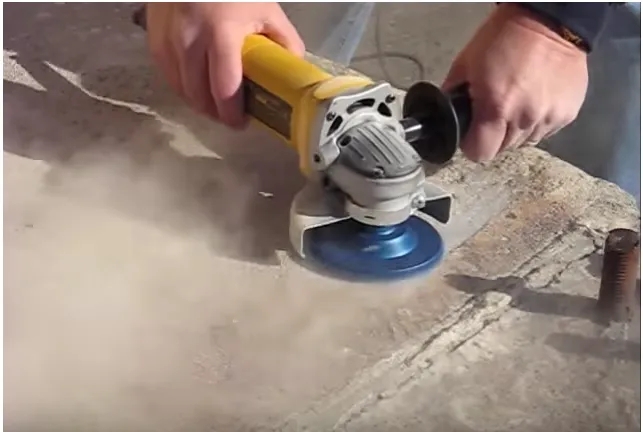
Step 1: Identify the Application
Before selecting your tooling equipment, you must accurately diagnose the mechanical properties of the job site substrate. Matching the correct diamond formulation to your specific task prevents severe field issues like segment glazing, cup wheel bouncing, or premature segment loss.
Clearly define your core operational objective:
Stone Smoothing & Edge Beveling: Profiling architectural granite, marble, or hard natural stone edges requires precise, low-vibration contact.
Elastomeric & High-Build Coating Removal: Are you stripping stubborn, gummy layers like heavy-duty epoxy, mastic, and polyurethane coatings? For these high-tack materials, standard segments will clog; you require specialized PCD grinding cup wheels that scrape rather than grind to ensure efficient swarf evacuation.
Precision Surface Preparation: Preparing a concrete slab before polishing or tiling demands uniform flatwork. The focus here is on concrete leveling without leaving deep, jagged swirl marks on concrete that ruin subsequent aesthetic finishes.
Aggressive Heavy Concrete Grinding: Flattening high-spots on high-PSI cured concrete floors or rough masonry brickwork requires maximum structural durability and high diamond grit density to achieve fast, aggressive stock removal.
Step 2: Choose the Right Cup Wheel Configuration
Here’s a simple comparison table:
| Type | Ideal Use |
|---|---|
| Double Row Sintered | General concrete grinding |
| Turbo Sintered | Fast material removal |
| Brazed (Turbo or Double Row) | Longer life, superior performance |
| Boomerang Brazed | Aggressive grinding and shaping |
Johnson Tools offers custom shapes, segment configurations, and even RAL color-matching options for batch orders over 100 pieces.
Step 3: Attach the Wheel Securely
Improper installation is the primary catalyst for mechanical instability, hazardous site accidents, and subpar concrete finishing. Ensuring a flawless concentric fitment between your handheld tool and the abrasive disc is critical to eliminating cup wheel bouncing or excessive runout.
- Isolate Power & Strip the Spindle: Completely disconnect your angle grinder or concrete planer from its power source. Remove any existing abrasive discs, backup pads, or worn-out double row segment cup wheels using the factory pin wrench.
- Calibrate Arbor Alignment: Align the structural center of your tool with the machinery spindle. Depending on your regional fleet setup and specific equipment model, you must ensure an exact hardware match:
- For North American standard power tools, thread a premium 5/8″-11 threaded arbor directly onto the matching grinder spindle.
- For international or universal setups, precisely center the 7/8″ (22.23mm) arbor hole over the inner flange adapter, avoiding any structural gaps.
- Lock the Assembly Securely: Engage the grinder’s spindle lock button. Use a heavy-duty locking wrench or two-pin spanner key to tighten the outer lock nut firmly. Do not over-torque, as this can distort the steel core plate, leading to micro-cracking or premature segment loss under high thermal stress.
- Conduct a Dynamic Balance Test: Before contacting the substrate, hold the grinder away from your body and perform a 30-second free-spin test at zero-load speed. If you detect any vibration, wobble, or uneven harmonic noise, stop immediately—an imbalanced core will score the floor, leaving deep swirl marks on concrete during subsequent surface preparation stages.
Step 4: Grinding Technique
- Executing the correct mechanical approach during high-speed grinding directly dictates the final profile quality and preserves the structural integrity of your tool matrix. Adhering to professional field techniques prevents excessive heat build-up, ensuring maximum efficiency for aggressive stock removal.
- Optimize the Operating Attack Angle: For standard floor flattening and large-area concrete leveling, maintain your handheld angle grinder at a precise 15° to 30° attack angle. Keeping this consistent pitch allows the segmented face of your double row segment cup wheel or arrow/segmented turbo cup wheel to distribute force evenly across the concrete matrix, preventing the core plate from gouging or biting deep into the subfloor.
- Balance Structural Pressure & Control: Always maintain a dual-handed grip to stabilize the machine against high rotational torque. Let the exposed diamond grit concentration do the cutting work—apply only light, consistent downward force. Forcing the machinery down or applying brute static pressure fails to accelerate production; instead, it triggers segment glazing, causes severe cup wheel bouncing, and can result in catastrophic premature segment loss.
- Implement a Continuous Sweeping Motion: Move the tool steadily in sweeping, overlapping arcs across the working area. Never allow the rotating segments to dwell in a single spot. Pausing or resting the wheel in an isolated position will create deep depressions, over-grinding the substrate and leaving behind stubborn, highly visible swirl marks on concrete that ruin subsequent surface preparation inspections.
- Execute High-Efficiency Coating Removal: When stripping stubborn, high-build floor matrices such as industrial epoxy, mastic, and polyurethane coatings, slightly leverage the outer leading edge of the segments to slice through the material. If the coating begins to melt, gum up, or smear, immediately cease operation—standard segments are glazing over due to thermal friction. In this scenario, pivot to a specialized PCD grinding cup wheel to cleanly scrape the coating away while ensuring proper swarf evacuation.
Step 5: Clean-Up and Inspection
Completing the operational cycle with a rigorous maintenance protocol is essential for auditing the flatwork quality and safeguarding your asset lifespan. Commercial fleet operators must enforce a strict clean-up and quality audit routine to control project costs.
- Execute Crystalline Silica Dust Decontamination: Immediately clear the concrete slab of all residual particles using a heavy-duty industrial HEPA vacuum system. Thoroughly cleansing the environment satisfies local OSHA silica dust regulations and exposes the underlying substrate profile, allowing you to confirm that the completed surface preparation or concrete leveling is uniform and completely free of erratic swirl marks on concrete.
- Audit Core Integrity & Segment Glazing: Carefully examine the diamond segments of your double row segment cup wheel or arrow/segmented turbo cup wheel. Look for signs of segment glazing—where the metal bond matrix has overheated and masked the diamond grit concentration. If glazing is caught early, dress the diamond matrix using an abrasive dressing block to re-expose fresh, sharp diamond crystals before the next deployment.
- Diagnose Asymmetric Wear & Geometric Runout: Check the remaining profile depth against your original factory segment height & bond specification. If you detect asymmetric segment erosion, micro-fracturing along the bond joints, or excessive steel plate depletion, the wheel must be permanently decommissioned. Operating an unevenly worn core will cause severe cup wheel bouncing or excessive runout, which risks hazardous onsite premature segment loss and can permanently damage your grinder’s motor spindle.
- Implement Stabilized Climate-Controlled Storage: Clean all lingering masonry sludge and concrete dust off the steel core. Store your specialized diamond grinding discs and PCD grinding cup wheels in a dedicated, low-humidity, dry area. Preventing ambient moisture contact is critical to neutralizing rust-driven corrosion, preventing industrial steel core warping, and maintaining true structural flatness for future heavy-duty project deployment.
Visual Diagram Suggestion
A simple visual with icon-based illustrations:
- Concrete Surface ➝ Double Row
- Fast Grinding ➝ Turbo Brazed
- Edge Precision ➝ Boomerang
- Color Coating Removal ➝ Turbo Sintered
Pro Tips to Maximize Diamond Grinding Wheel Performance
- Prioritize Heat Dissipation to Keep the Tool Cool: Extreme friction accumulation is the primary cause of sudden tool slowdown and structural deformation. Avoid premature failure by taking short tactical breaks or employing fluid cooling techniques to facilitate optimal thermal regulation during extended surface preparation and concrete leveling routines.
- Monitor Segment Wear & Diamond Concentration: Never run your tooling until the steel core base is completely exposed. Keep a close eye on your segment height & bond specification. When the cutting profile undergoes intensive segment glazing, the diamond grits are no longer exposed, causing the wheel to simply rub and polish the substrate rather than cut. To revive a glazed wheel, cleanly dress the segment matrix into a soft brick or abrasive block to re-expose fresh, sharp diamond grit concentration.
- Avoid Excessive Pressure & Static Downward Force: Let the industrial engineering do the heavy lifting. Forcing the handheld machine down wraps intense lateral tension around the core base, accelerating tool wear and leaving jagged, unsightly swirl marks on concrete. Brute static pressure does not speed up aggressive stock removal; instead, it risks catastrophic premature segment loss and permanent motor overload.
- Deploy a Color-Coded Workflow System: Implementing a unified, color-coded protocol across your commercial fleet helps operators quickly identify specific grit ranges, bond hardness variations, or segment types (such as distinguishing a standard double row segment cup wheel from a high-speed arrow/segmented turbo cup wheel) on busy job sites. This minimizes field identification errors and optimizes onsite layout tracking.
- Calibrate to the Machinery’s Optimal Operating RPM: Always verify your equipment configurations against the manufacturer’s exact tool specifications. Handheld angle grinders and professional floor grinders must perfectly match the tool’s peripheral speed to prevent severe cup wheel bouncing or excessive runout. Most custom heavy-duty diamond grinding discs perform at peak efficiency when maintained within a stable spectrum of 4,500 – 8,500 RPM.
FAQ (Frequently Asked Questions)
Q1: What specific industrial substrates and materials can I grind with Johnson Tools diamond cup wheels?
A1: Engineered for heavy-duty applications, our custom wheels deliver aggressive stock removal across a vast spectrum of substrates. They are optimized for grinding high-PSI cured concrete floors, abrasive green concrete, granite, marble, natural stone, and dense masonry brickwork. Additionally, for stubborn surface prep jobs, our specialized profiles smoothly strip away hardened, elastomeric, and high-build coatings, including industrial epoxy, mastic, and polyurethane coatings without gumming up the diamond matrix.
Q2: How long does a diamond cup wheel last under commercial job site conditions?
A2: The operational lifespan depends heavily on the aggregate hardness of the substrate and your specific segment height & bond specification. On average, a premium laser-welded or silver-brazed wheel from a certified diamond cup wheel manufacturer delivers 30 to 50 hours of continuous, moderate-use cutting life on standard cured concrete. To maximize longevity and prevent premature segment loss, contractors must correctly match the bond matrix (soft, medium, or hard bond) to the specific PSI rating of the floor.
Q3: Can I operate these handheld cup wheels dry, or is wet grinding recommended?
A3: While most handheld diamond discs are engineered with advanced air-cooling channels (such as an arrow/segmented turbo cup wheel design) for dry operation, utilizing wet grinding methods offers massive advantages. Wet grinding acts as a natural coolant to prevent segment glazing and thermal cracking of the steel core. Furthermore, it completely suppresses hazardous silica dust, reducing reliance on a dust extraction shroud or complex swarf evacuation setups while significantly extending the wheel’s overall service life.
Q4: How do I prevent severe vibration and uneven swirl marks while grinding concrete?
A4: Severe vibration—often caused by cup wheel bouncing or excessive runout—can be entirely avoided by ensuring your wheel is perfectly balanced and securely fastened. Always inspect your machine’s spindle connection; ensure you match a US-standard 5/8″-11 threaded arbor or a universal 7/8″ (22.23mm) arbor hole precisely to your angle grinder specifications. Operating within the manufacturer-recommended spectrum of 4,500–8,500 RPM allows the diamond crystals to fracture naturally and self-sharpen, eliminating jagged swirl marks on concrete and providing a perfectly flat finish for your next surface preparation layer.
Q5: Do you offer bespoke OEM manufacturing and private labeling for bulk diamond tool orders?
A5: Yes. As a leading source factory and global diamond cup wheel supplier, Johnson Tools specializes in full-scale OEM custom diamond grinding tools for commercial distributors. We offer complete custom engineering, allowing you to tailor the specific diamond grit concentration, custom segment designs (including PCD grinding cup wheels), proprietary bond formulations for localized aggregates, tailored paint colorways, and precision laser-engraving of your private brand logo for all wholesale diamond cup wheels and bulk contract orders.
Conclusion
Investing in the right diamond cup wheel can transform your grinding results — faster job completion, smoother finishes, and less wear on your tools. Whether you’re resurfacing a concrete floor or stripping old coatings, Johnson Tools has the configurations, quality, and support contractors need.
Visit the Johnson Tools homepage to explore our full product range or contact our team for expert assistance on selecting the right grinding wheel for your project.