Skip to main content Skip to footer
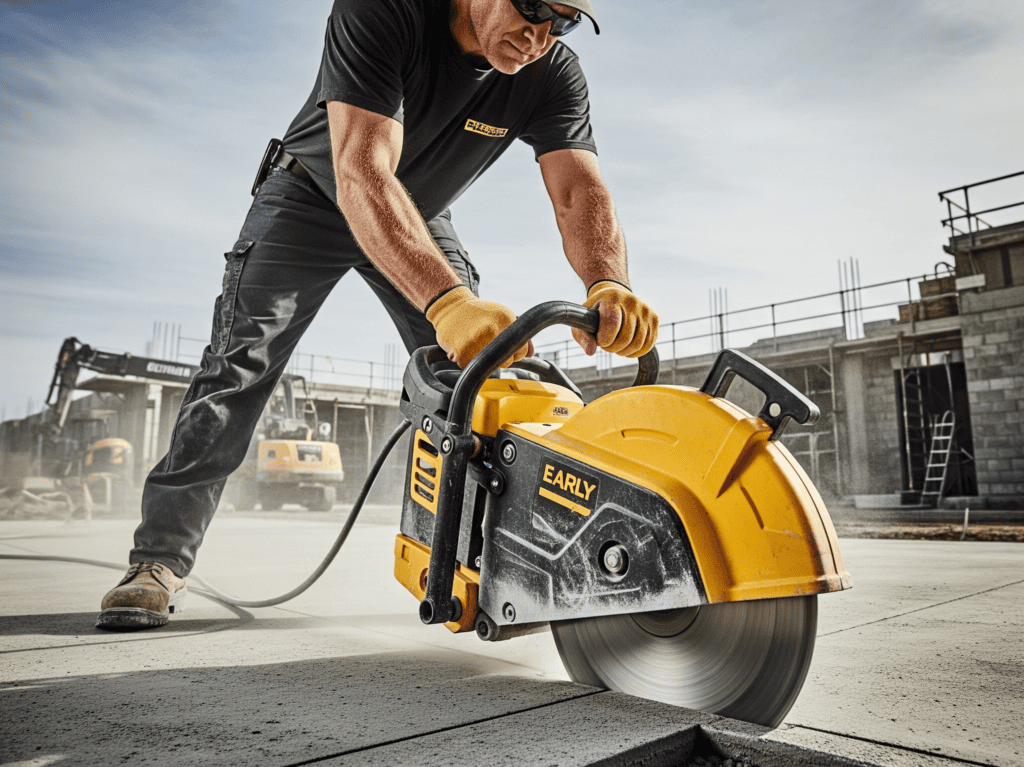
Contractors and distributors know that diamond tile saw blades wearing out too quickly can drive up costs and cause project delays. The good news is that with the right practices, you can dramatically extend your diamond tile blade’s lifespan. This guide covers blade selection, proper installation, cutting techniques, knowing when to replace, and blade maintenance.
A high-quality diamond tile saw blade is an investment. Whether you are a professional contractor or a dedicated DIYer, the goal is to get the lowest “cost-per-cut” possible. Many users believe that once a blade slows down, it’s time for a replacement tile saw blade, but in many cases, proper maintenance can restore its performance and double its lifespan.
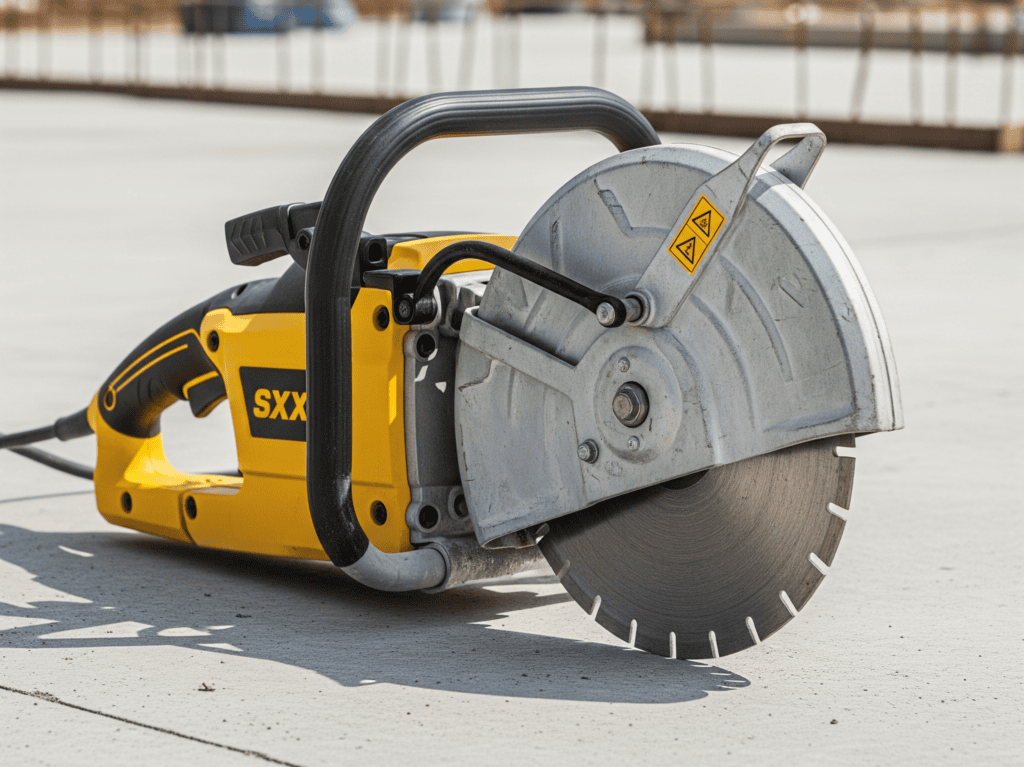
At a Glance: Diamond Blade Maintenance Checklist
Google often features structured data. This table helps you quickly identify maintenance needs:
| Maintenance Action | Frequency | Primary Benefit | Expert Tip |
| Blade Dressing | When cutting slows | Re-exposes fresh diamonds | Cut into a dressing stone or soft brick. |
| Water Flow Check | Before every use | Prevents core warping | Ensure water hits both sides of the tile cutting disc. |
| Feed Speed Control | During every cut | Prevents segment glazing | Never force the saw; let the diamonds do the work. |
| Cleaning & Storage | After every project | Prevents rust and buildup | Dry the blade completely before storing. |
1. Use the Right Blade for the Job
Choosing the correct diamond tile saw blade is one of the most important factors affecting cutting speed, edge quality, and blade life.
Different tile and stone materials require different blade designs, diamond concentrations, and bond formulations. Using the wrong blade can lead to slow cutting, excessive chipping, overheating, glazing, and premature wear.
For example:
- Porcelain tile requires a sharp, fine-rim blade designed for dense and hard material.
- Ceramic tile can usually be cut with a general continuous rim tile blade.
- Granite and marble require a stone-specific diamond blade with a bond matched to the hardness and abrasiveness of the material.
- Glass tile generally requires an ultra-fine continuous rim blade to minimize edge damage.
For clean porcelain and ceramic cutting, a continuous rim diamond blade is commonly preferred because it provides smooth, controlled cutting with reduced chipping.
Relevant product keywords include:
- best tile saw blade for porcelain
- porcelain tile cutting blade
- continuous rim diamond blade
- diamond blade for ceramic tile
- wet tile saw blade
- diamond tile cutting disc
Blade quality also matters. A well-manufactured blade with a stable steel core, consistent diamond distribution, and material-specific bond generally provides more predictable cutting performance and longer usable life than a poorly matched low-cost blade.
For most precision tile cutting, wet cutting is recommended when the blade and machine are designed for it. Water helps reduce friction, control heat, remove slurry, and maintain more stable cutting performance.
Matching the blade correctly to the material is the first step toward extending diamond tile saw blade life.
When to Replace vs. Dress: Extending the Life of Your Wet Saw Blades
2. Proper Installation Tips
Correct installation and routine maintenance can significantly affect how long a wet tile saw blade remains sharp and stable.
a. Maintain Sufficient Water Flow for Cooling
When using a wet diamond tile saw blade, consistent water flow is essential.
Water helps:
- Cool the steel core
- Control blade temperature
- Flush abrasive slurry from the cut
- Reduce glazing
- Improve edge quality
- Limit premature blade wear
If water flow is weak or uneven, the blade may overheat and cutting performance can deteriorate quickly.
Poor cooling can also contribute to:
- Steel core distortion
- Excessive vibration
- Faster rim wear
- Reduced cutting speed
- More chipping on porcelain
Before cutting, make sure the water reservoir, pump, and nozzles are working properly and that water reaches both sides of the blade.
Relevant long-tail keywords include:
- wet tile saw blade cooling
- diamond blade overheating
- how to cool a tile saw blade
- wet saw blade overheating
- how to extend tile saw blade life
b. Dress a Glazed Diamond Blade Before Replacing It
If your diamond tile saw blade is not cutting but the rim still has visible diamond material, the blade may be glazed rather than fully worn out.
Glazing occurs when the metal bond becomes smooth and stops exposing fresh diamond particles.
Typical signs include:
- Blade looks shiny
- Cutting speed decreases
- More feed pressure is required
- Blade generates more heat
In this situation, you may not need a replacement tile saw blade yet.
Instead, dress the blade by making several controlled cuts into:
- A dedicated dressing stone
- A soft abrasive block
- Suitable dressing material
This removes a thin layer of bond and exposes fresh diamond particles.
Relevant keywords include:
- diamond blade glazing
- how to dress a diamond blade
- tile saw blade not cutting
- dress or replace diamond blade
- diamond blade dressing stone
If dressing does not restore performance, the blade may be fully worn or incorrectly matched to the material.
c. Match the Blade to Porcelain, Ceramic, Granite or Marble
A blade designed for one material may perform poorly on another.
For example, using a general ceramic blade on very dense porcelain may cause slow cutting and glazing.
Likewise, cutting granite with a blade designed only for soft tile can accelerate wear.
For harder stone materials such as granite and marble, a hot-pressed diamond saw blade can provide a durable bond structure and stable cutting performance when properly matched to the application.
Common product selections include:
- Porcelain tile blade – fine continuous rim for low-chipping cuts
- Ceramic tile blade – continuous rim for smooth general tile cutting
- Diamond blade for granite – stone-specific bond for hard material
- Diamond blade for marble – controlled cutting for cleaner edges
- Hot-pressed diamond saw blade – suitable for demanding tile and stone applications
Choosing the correct blade by material helps reduce:
- Premature wear
- Chipping
- Glazing
- Overheating
- Unnecessary blade replacement
For professional users and distributors, blade selection should be based on material hardness, rim design, bond formulation, blade diameter, arbor size, and wet or dry cutting conditions.

3. Cut with Care: Operating Techniques That Extend Tile Saw Blade Life
How you operate the saw has a major impact on diamond tile saw blade life. Even a high-quality blade can wear prematurely if the feed pressure, cutting speed, water flow, or blade depth is incorrect.
Use the Correct Feed Speed and Pressure
Let the diamond tile saw blade do the cutting instead of forcing the material through the blade.
Use steady, controlled pressure and avoid sudden changes in feed speed.
Excessive pressure can cause:
- Increased friction
- Blade overheating
- Faster diamond wear
- Blade deflection
- More chipping
- Higher motor load
If the blade begins cutting slowly, do not immediately push harder. First check whether the blade is glazed, whether water flow is sufficient, and whether the blade specification matches the tile material.
Relevant long-tail keywords include:
- tile saw blade cutting too slowly
- diamond blade overheating
- how to extend tile saw blade life
- best cutting speed for diamond tile blade
Maintain Consistent Water Cooling
For a wet tile saw blade, stable water flow is one of the most important factors affecting blade life.
Water helps:
- Reduce cutting temperature
- Flush abrasive slurry from the rim
- Limit glazing
- Reduce dust
- Improve edge quality
- Extend usable blade life
If the saw supports wet cutting, make sure water reaches both sides of the blade continuously.
If dry cutting is permitted by the blade manufacturer, use shorter cutting passes and allow cooling intervals as needed.
Never use a blade designed only for wet cutting in dry conditions.
Set the Correct Cutting Depth
Avoid setting the blade significantly deeper than necessary.
For tile cutting, the blade should normally extend only enough to complete the cut through the material.
Excessive cutting depth can increase:
- Contact area
- Friction
- Heat
- Motor load
- Blade wear
Correct blade depth is especially important when cutting dense porcelain, granite, or stone.
Keep the Cut Straight and Stable
Side pressure is one of the fastest ways to damage a diamond blade.
Avoid:
- Twisting the tile during the cut
- Forcing the blade sideways
- Using a loose fence
- Cutting unstable material
- Correcting the cut aggressively while the blade is engaged
Side loading can lead to:
- Steel core distortion
- Rim damage
- Blade wobble
- Chipping
- Uneven wear
For clean porcelain cuts, keep the workpiece stable and feed it straight through the blade.
Slow Down Near the End of the Cut
The final portion of the cut is often where porcelain and other brittle materials chip.
Reduce feed pressure slightly as the blade exits the tile.
This can help improve edge quality and reduce breakout.
By using the correct pressure, stable water flow, proper cutting depth, and straight feed, you can improve both cut quality and diamond tile saw blade lifespan.
4. How to Tell When a Diamond Tile Saw Blade Needs Dressing or Replacement
Every diamond tile saw blade will eventually wear, but slow cutting does not always mean the blade needs to be replaced.
The first step is to determine whether the blade is:
- Glazed
- Overheated
- Incorrectly installed
- Improperly matched to the material
- Physically worn out
Slow Cutting Does Not Always Mean the Blade Is Worn Out
If the blade cuts more slowly than before or requires more feed pressure, it may be glazed.
A glazed blade often has:
- A smooth or shiny rim
- Reduced cutting speed
- Increased heat
- More resistance during cutting
If the rim still has sufficient diamond material and the steel core is undamaged, try dressing the blade before replacing it.
This helps cover search terms such as:
- diamond blade not cutting
- tile saw blade cutting slowly
- diamond blade glazing
- dress or replace diamond blade
Check Diamond Rim or Segment Height
Inspect the cutting rim regularly.
A blade may need replacement when:
- The diamond rim is almost completely worn away
- Segment height is extremely low
- Sections of the rim are damaged
- Diamond segments are missing
- The rim has become uneven
At this point, a replacement tile saw blade is usually the correct solution.
Inspect the Steel Core for Cracks or Distortion
The steel core should remain flat and structurally sound.
Stop using the blade immediately if you notice:
- Cracks near the arbor
- Cracks in the steel core
- Permanent warping
- Severe wobble
- Structural damage
A damaged core is a safety issue and should not be repaired for continued use.
Overheating and Discoloration: Inspect Before Replacing
Blue, black, or heat-related discoloration indicates that the blade has experienced excessive temperature.
However, discoloration alone does not always mean the blade must be replaced immediately.
First inspect for:
- Steel core warping
- Cracks
- Rim damage
- Loss of tension
- Poor cutting performance after cooling
Also check the possible cause of overheating:
- Insufficient water flow
- Excessive feed pressure
- Incorrect RPM
- Dry cutting with a wet-only blade
- Blade glazing
If the blade remains flat, structurally sound, and cutting performance can be restored after cooling or dressing, replacement may not be necessary.
Replace the Blade Immediately If Structural Damage Is Present
A diamond tile saw blade should be taken out of service if you find:
- Cracks
- Missing rim sections
- Severe warping
- Loose or damaged segments
- Excessive vibration
- Arbor damage
Continuing to use a structurally damaged blade can lead to poor cut quality and safety risks.
Quick Guide: Dress or Replace?
| Blade Condition | Recommended Action |
|---|---|
| Cutting slowly but rim is intact | Dress first |
| Rim looks shiny or glazed | Dress |
| Blade overheats but remains flat | Check cooling and RPM |
| Rim is nearly worn away | Replace |
| Core is cracked or warped | Replace immediately |
| Segment or rim section is missing | Replace immediately |
| Blade still cuts poorly after dressing | Replace |
Knowing the difference between blade glazing and actual blade wear can help avoid unnecessary replacement while keeping cutting performance and safety under control. blade can result in poor cuts and safety risks, so don’t hesitate to replace it when needed.
How To Cut Porcelain Tile Like a Pro: Tools, Techniques & Safety Tips
5. Blade Maintenance Between Uses
Taking care of your blade between jobs will maximize its lifespan. After each day’s work (or when storing the saw), take a few minutes for blade maintenance:
- Clean and Dry: After cutting, rinse off any slurry or dust and wipe the blade dry to prevent residue buildup and rust.
- Dress the Blade: If the blade’s edge becomes glazed (smooth and dull), restore it by cutting into a dressing stone or abrasive block. This exposes fresh diamonds and revives cutting performance.
- Store Safely & Inspect: Store blades in a dry place. Hang them or lay them flat with padding to prevent damage. Before the next use, check for any new cracks or damage so you can replace the blade if needed.
A little maintenance goes a long way. By cleaning, drying, and storing your blades properly, you’ll prevent premature wear and ensure each blade is ready for the next job.
Conclusion
For maximum blade life, use the right blade and treat it well at every step. Proper selection, correct installation, careful cutting (avoiding overheating), and timely replacement will give you many more hours of cutting. Routine maintenance further increases longevity, saving you money and downtime.
By following these tips, you’ll keep your blades sharper for longer and get the most out of your tools. If you have any questions or need help choosing the best blade for your project, feel free to contact us at Johnson Tools. We’re ready to help with expert advice and quality diamond tools.
Frequently Asked Questions (FAQ)
1. How do I know if my diamond tile saw blade is truly worn out?
A diamond tile saw blade is usually ready for replacement when the cutting rim is nearly worn down, the blade no longer cuts effectively after dressing, or the steel core shows structural damage.
Common replacement signs include:
- Diamond rim or segment height is extremely low
- Blade remains slow after proper dressing
- Steel core is cracked or warped
- Blade loses roundness
- Excessive vibration continues after checking the saw
- Rim sections are damaged or missing
If the blade is only glazed and the rim is still intact, try dressing it before installing a replacement tile saw blade.
2. Can I use one diamond blade for porcelain, ceramic, granite, and marble?
Some diamond saw blades are designed for multi-material use, but one blade does not always provide the best performance on every material.
For premium cutting results, match the blade to the material:
- Porcelain tile – fine continuous rim blade
- Ceramic tile – general continuous rim tile blade
- Granite – stone-specific diamond blade
- Marble – smooth-cutting stone blade
Using the best tile saw blade for porcelain can help reduce chipping and improve edge quality on dense porcelain.
Relevant product keywords include:
- porcelain tile cutting blade
- continuous rim diamond blade
- diamond blade for ceramic tile
- diamond blade for granite
- diamond blade for marble
3. Why is my diamond tile saw blade cutting slowly?
Slow cutting can be caused by several factors, including:
- Diamond blade glazing
- Insufficient water flow
- Wrong blade for the material
- Excessive feed pressure
- Incorrect RPM
- Worn diamond rim
If the rim still looks intact but appears smooth or shiny, the blade may be glazed.
In this case, use a dressing stone to expose fresh diamonds before replacing the blade.
Related long-tail keywords include:
- tile saw blade not cutting
- diamond blade cutting slowly
- diamond blade glazing
- how to dress a diamond blade
4. Why is my diamond tile saw blade sparking?
A small amount of sparking can occur during certain cutting conditions, but excessive sparking may indicate a problem.
Possible causes include:
- Insufficient water flow
- Excessive cutting pressure
- Blade contacting metal
- Incorrect blade specification
- Overheating
- Severe glazing
If you are using a wet tile saw blade, stop cutting and check the cooling system first.
Make sure water reaches both sides of the blade and that the blade is suitable for the material being cut.
5. Why is my tile saw blade chipping porcelain?
Porcelain is hard and brittle, so chipping usually results from:
- Dull or glazed blade
- Wrong rim type
- Excessive feed speed
- Poor water cooling
- Blade vibration
- Saw misalignment
For cleaner porcelain cuts, use a sharp continuous rim diamond blade for porcelain and maintain a steady, controlled feed rate.
A thin kerf porcelain blade can also help reduce material loss and edge chipping.
6. How do I dress a glazed diamond tile saw blade?
To dress a glazed blade, make several controlled cuts through a:
- Diamond blade dressing stone
- Soft abrasive block
- Suitable silicon carbide dressing material
Dressing removes a thin layer of metal bond and exposes fresh diamond particles.
This can restore cutting performance if the blade is glazed but not physically worn out.
7. How much water does a wet tile saw blade need?
There is no single water-flow rate for every saw and blade, but the important point is that water should reach both sides of the blade consistently throughout the cut.
Proper water flow helps:
- Reduce blade temperature
- Flush abrasive slurry
- Reduce glazing
- Improve cutting quality
- Extend blade life
If the blade overheats or the slurry becomes thick and dry, check the water reservoir, pump, and nozzles.
8. When should I replace a wet tile saw blade instead of dressing it?
Dress the blade first when:
- Cutting becomes slow
- Rim looks shiny
- Blade still has usable diamond material
- Steel core is undamaged
Replace the blade when:
- Diamond rim is almost worn away
- Core is cracked
- Blade is warped
- Rim sections are missing
- Vibration becomes severe
- Dressing no longer restores cutting performance
9. What is the best tile saw blade for porcelain?
For porcelain, a fine continuous rim diamond blade is generally preferred because it provides smoother cutting and helps reduce chipping.
Look for a blade designed specifically for:
- Porcelain tile
- Wet tile saw use
- Thin kerf cutting
- Low-chipping performance
Relevant search terms include:
- best tile saw blade for porcelain
- porcelain tile diamond blade
- continuous rim porcelain blade
- wet tile saw blade for porcelain
10. How can I make my diamond tile saw blade last longer?
To extend diamond tile saw blade life:
- Use the correct blade for the material
- Maintain sufficient water flow
- Use the recommended RPM
- Avoid excessive feed pressure
- Keep the cut straight
- Dress the blade when glazing begins
- Check saw alignment regularly
- Replace damaged blades promptly
Proper blade selection and operating technique can significantly reduce premature wear and unnecessary replacement.
Recommended Solution: Johnson Tools Factory Direct Hot Pressed Blades
If you are looking for a tool that balances speed and longevity, our hot-pressed diamond saw blades are the industry standard. Unlike standard cold-pressed alternatives, these blades are engineered for extreme durability.

Why Our Hot-Pressed Sintered Blades Outperform the Rest:
- Superior Longevity: The advanced hot press sintering technology ensures the diamond particles are deeply embedded in a durable alloy matrix, significantly extending the life of your diamond tile saw blade.
- Professional Speed: Engineered to slice through Hard Granite, Marble, Slate, and Ceramic Tile with consistency and speed.
- Premium Specifications: * Segment Height: 10mm or 12mm for maximum value.
- Arbor: Universal 22.23mm center hole.
- Diameters: Available from 105mm to 230mm.
- Custom Branding: We offer factory-direct sales with customizable packaging and logos for distributors worldwide.
[INQUIRE NOW] — Don’t wait for your current blade to fail. Contact Johnson Tools today to stock up on the most durable diamond saw blades in the industry and lower your operating costs.