Skip to main content Skip to footer
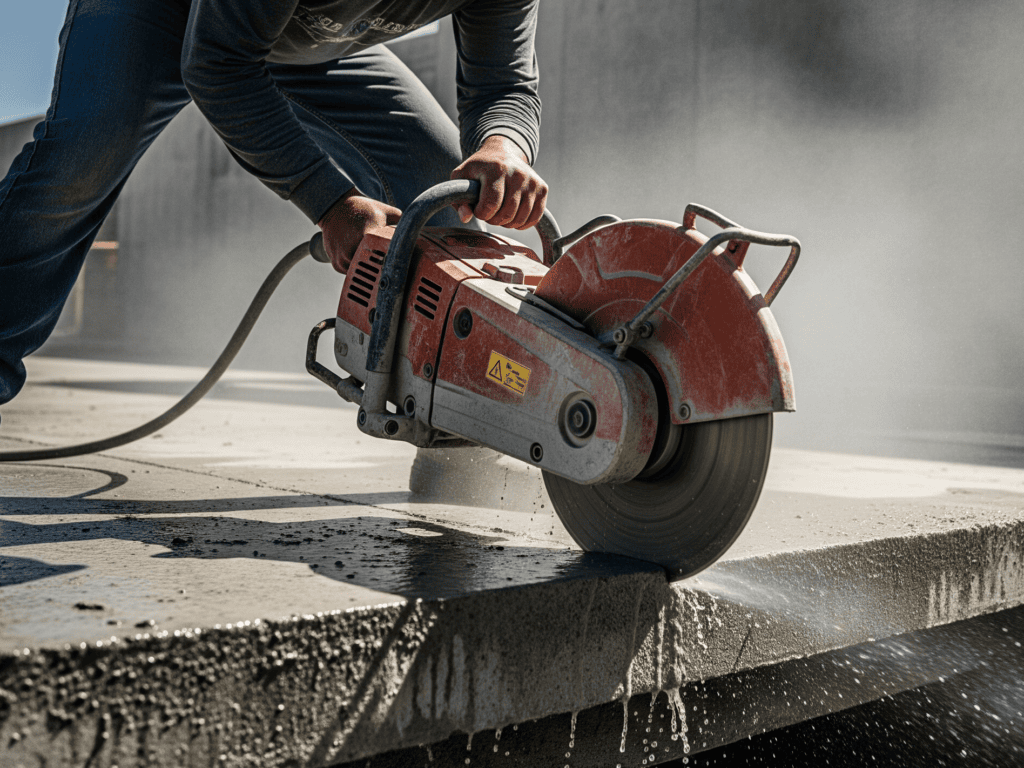
When it comes to cutting concrete—whether you’re building from scratch or doing renovations—you’ll likely face a common question: wet cutting or dry cutting? These two popular methods both get the job done, but each comes with its own pros and cons.
This article is here to help contractors, engineers, and site managers make a smart decision. We’ll break down the differences in simple terms, explain when to use each method, and give real examples so you know what to expect on the job.
This guide is brought to you by Johnson Tools, a global supplier of diamond cutting tools trusted by professionals worldwide. Need expert help? Contact us here.
Choosing between wet and dry cutting is one of the most critical decisions in a construction project. It affects not only the finish quality of the reinforced concrete but also the safety of the operator and the lifespan of your diamond saw blades.
While both methods have their place in the industry, understanding the technical differences is essential for maximizing efficiency and minimizing the cost of replacement tile saw blades and industrial discs.
What is Wet Cutting?
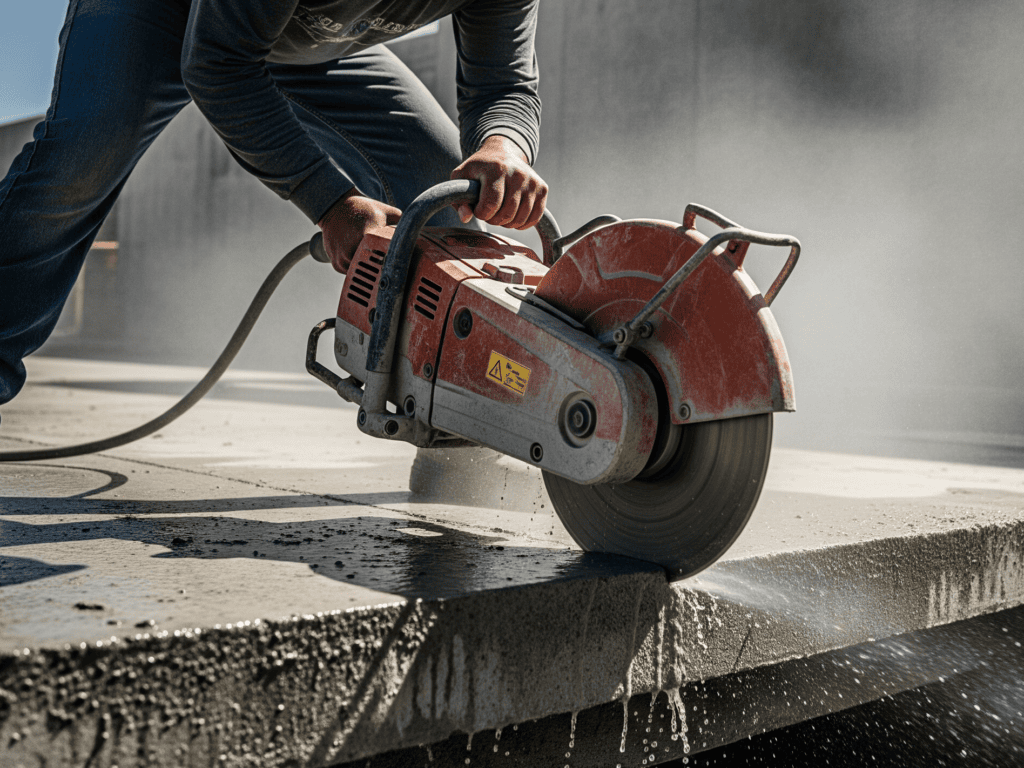
Wet cutting uses water to cool the diamond blade as it slices through concrete. This technique is especially helpful when working with reinforced concrete, thick slabs, or jobs that demand high precision.
Benefits of Wet Cutting:
- Less Dust: Water keeps harmful dust down, making the worksite cleaner and safer.
- Cooler Blade: Water prevents overheating, so your concrete diamond blade lasts longer.
- Smoother Results: Perfect for accurate cuts in large-scale projects like highway joints, door openings, or structural floor cuts.
- Preferred in Outdoor Projects: Works well where water use isn’t restricted.
Drawbacks of Wet Cutting:
- Higher Costs: Using water and cleanup systems means higher operating costs.
- Slurry Disposal: The mix of dust and water (called slurry) needs to be removed and disposed of correctly.
- Not Ideal Indoors: Using water inside buildings may cause damage or require containment.
What is Dry Cutting?
Dry cutting uses the same diamond blade, but without water. It’s faster and often more convenient for light-duty or indoor jobs—especially where water is not allowed.
Benefits of Dry Cutting:
- Faster Setup: No water tanks or hoses needed—just plug in and cut.
- Cost-Efficient: Reduces labor and material costs.
- Ideal for Indoor Use: No water mess to clean up, great for small-scale renovations.
- Flexible Jobsite Use: Excellent when water isn’t available or allowed.
Drawbacks of Dry Cutting:
- Dust Risks: Cutting without water produces a lot of concrete dust, which can be harmful to breathe.
- Blade Overheating: Without water, blades heat up quickly, shortening their life.
- Limited Depth: Best for thinner slabs and shorter cutting times.
Tip: When dry cutting, always use PPE (personal protective equipment) and consider pairing with a vacuum system for dust control.
Feature Wet Cutting Method Dry Cutting Method Best Equipment Concrete cutting disc with water feed Handheld circular saw or gas saw Dust Management Eliminates 95% of silica dust High dust; requires HEPA vacuums Material Specialty Heavily reinforced concrete & rebar Masonry, bricks, and small repairs Blade Longevity High (water cools the segments) Moderate (prone to overheating) Safety Standard Ideal for EN 13236 compliance Requires strict respiratory protection
Choosing the Right Method: Wet or Dry?
There’s no one-size-fits-all answer. Instead, consider the following:
| Situation | Best Option |
|---|---|
| Cutting thick slabs | Wet cutting |
| Working indoors | Dry cutting |
| Jobs with no water access | Dry cutting |
| Needing super precise cuts | Wet cutting |
| Small repair cuts | Dry cutting |
Need help choosing the right wet saw concrete blade or dry-use blade? Visit Johnson Tools for expert recommendations and quality products.
The Technical Breakdown
1. When to Use Wet Cutting
Wet cutting is the gold standard for heavy-duty industrial work. By using a constant stream of water, you significantly reduce the heat generated during the cut. This is mandatory when dealing with heavily reinforced concrete. The water acts as a lubricant, allowing the concrete saw blades to slice through steel rebar without the segments “glazing” or melting over.
2. When to Use Dry Cutting
Dry cutting is preferred for outdoor projects where water access is limited or for quick, shallow cuts. However, because there is no cooling agent, the diamond saw blades must rely on airflow for cooling. This method is best suited for masonry, bricks, or “green” concrete when using early entry concrete saw blades.
Real-World Example

At a city infrastructure project in Southeast Asia, a Johnson Tools client used wet cutting to install underground conduits. The water-cooled blade enabled long, continuous cuts through reinforced concrete with minimal dust, keeping the urban site cleaner.
Meanwhile, a renovation contractor in Germany used dry cutting for precision wall channeling in an apartment building, where water use wasn’t possible. The dry-use blade delivered fast, controlled cuts with minimal mess.
Both teams used the right method for their job—and both relied on Johnson Tools for blade quality and reliability.
Conclusion
Both wet and dry cutting play key roles in construction. If your job calls for deep, clean cuts and you have access to water, wet cutting is the way to go. If speed, convenience, or working indoors is your priority, dry cutting might suit you better.
Still not sure? Let our experts at Johnson Tools help you pick the best method and blade for your next job.
Expert FAQ: Maximizing Cutting Efficiency
Q1: What is the best blade for cutting reinforced concrete—wet or dry?
A: While some advanced laser-welded diamond cutting disc models are rated for both, wet cutting is highly recommended for reinforced concrete. The water cools the specialized diamond matrix, allowing the blade to slice through steel rebar without stalling or overheating.
Q2: Can I use standard diamond saw blades for dry cutting on an indoor job?
A: Standard dry cutting produces high levels of silica dust. For indoor projects, you should either use wet cutting to suppress dust at the source or use a high-efficiency dust extraction system with your concrete saw blades to remain compliant with safety regulations.
Q3: Why does my concrete cutting disc stop cutting after only a few feet?
A: This is likely “glazing,” where the metal bond has melted over the diamonds. This happens frequently in dry cutting if the blade is too hard for the aggregate. Switching to a high-performance concrete saw blade with a laser-welded bond can resolve this by ensuring the diamonds stay exposed even under extreme heat.
Featured Product: Johnson Tools 300-600mm Laser Welded Rebar Blade
For the toughest demolition and construction tasks, Johnson Tools provides a professional-grade solution that slices through heavily reinforced concrete without stalling.

Why Choose the Johnson Tools Rebar-Cutting Blade?
- Rebar “Eater” Technology: Standard concrete blades often glaze over when they hit steel. Our specialized bond is designed to cut through both abrasive concrete and ductile steel rebar simultaneously.
- Laser Welded Safety: The segments are fused to the core using high-energy laser welding, creating a bond stronger than the segment itself to ensure safety under high torque.
- Sandwich Silent Core (Optional): Available with a “Sandwich” steel body that dampens vibration and reduces noise, making it ideal for indoor demolition or urban areas.
- Versatile Sizing: Available in sizes from 12″ (300mm) for handheld gas saws up to 24″ (600mm) for high-horsepower floor saws and wall saws.
Technical Specifications:
- Diameter Range: 300mm, 350mm, 400mm, 450mm, 500mm, 600mm.
- Segment Height: 10mm, 12mm, or 15mm for an extended cutting life.
- Application: Heavily Reinforced Concrete, Cured Concrete, Stone.
- Usage: Wet or Dry (Wet is highly recommended for rebar applications).
[INQUIRE NOW] — Contact Johnson Tools today to upgrade your kit with the most durable diamond saw blades on the market.