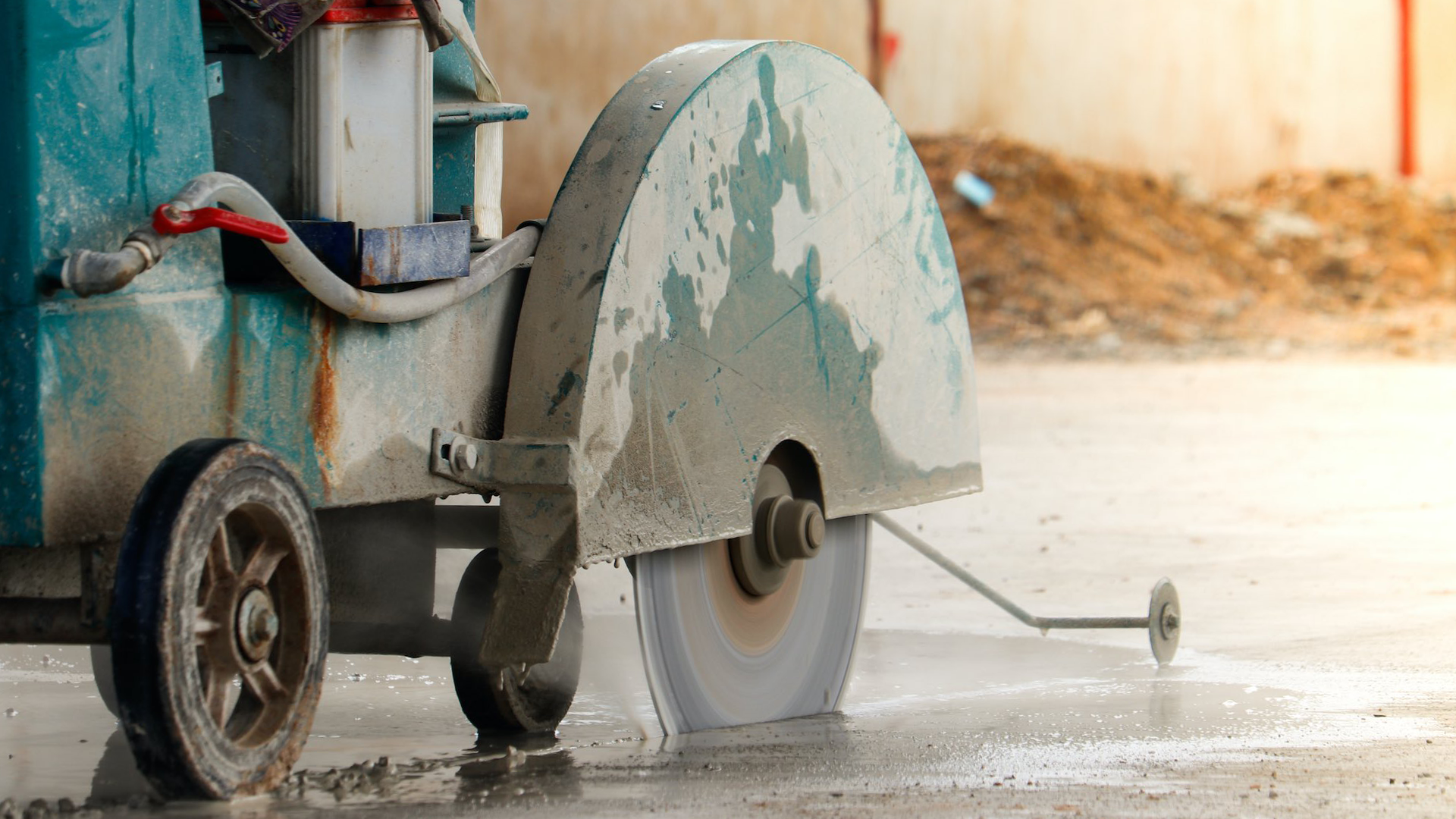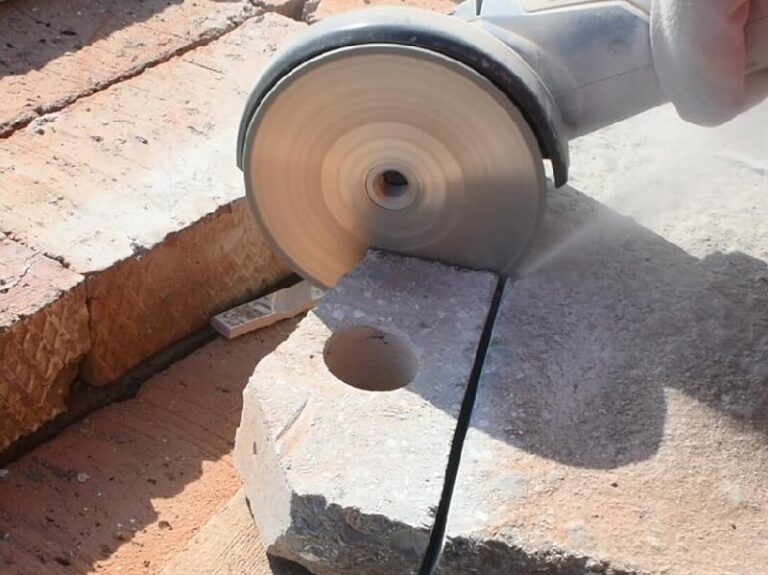
Have you ever wondered why two diamond saw blades of the same diameter can perform so differently? One cuts concrete for hours, while another loses its cutting ability much sooner. Or why a diamond hole saw works perfectly on glass but struggles when drilling dense porcelain tiles?
The answer isn’t always the diamond quality or the price.
One of the most important factors is how the diamond particles are bonded to the tool.
In the diamond tool industry, three widely used manufacturing technologies are electroplating, vacuum brazing, and sintering. Each process creates a different abrasive structure, which directly influences cutting speed, diamond retention, tool life, and material compatibility.
Whether you are choosing a diamond blade for concrete, a diamond core drill bit for reinforced concrete, a diamond hole saw for porcelain tile, or a diamond grinding wheel for stone, understanding these manufacturing methods can help you make a better purchasing decision.
In this guide, Johnson Tools explains how these three technologies work, where they perform best, the challenges manufacturers face, and how to select suitable diamond tools for different applications.
1. Why Does Diamond Bonding Technology Matter?
Diamond is one of the hardest known materials, but diamond particles alone cannot cut concrete, drill porcelain, or grind stone effectively.
They must be securely attached to a tool body or embedded in a suitable bonding material.
Think about two essential parts of a diamond tool:
- Diamond Grit: The abrasive particles responsible for cutting or grinding.
- Bonding Material: The material that holds the diamond particles in place and controls how they are exposed during use.
The bond affects how the tool behaves.
If diamonds are released too quickly, the tool wears prematurely.
If worn diamonds remain trapped in a bond that is too resistant to wear, the cutting surface may become glazed and lose efficiency.
This is why an excellent diamond tool needs more than high-quality diamond grains. It also requires a bonding system matched to the material and working conditions.
For example:
- A diamond blade for hard concrete may require a different metal bond than a blade designed for abrasive asphalt.
- A vacuum brazed diamond drill bit for porcelain tile may benefit from strong diamond attachment and high abrasive exposure.
- An electroplated diamond profile wheel may prioritize dimensional accuracy and complex tool geometry.
The manufacturing process determines how these characteristics can be achieved.
2. What Are Electroplated Diamond Tools?
Electroplated diamond tools are manufactured by securing diamond particles onto a metal substrate using an electroplated nickel layer.
In conventional electroplated designs, a single layer of diamond abrasive particles is mechanically held in place by the nickel coating.
A portion of each diamond grain remains exposed to perform the cutting or grinding action.

How Does the Electroplating Process Work?
The manufacturing process generally involves:
- Preparing and cleaning the steel or metal tool body.
- Activating the substrate surface for plating.
- Positioning diamond particles on the required working areas.
- Depositing nickel to secure the diamond particles.
- Controlling coating thickness and abrasive retention.
- Inspecting the finished tool for dimensional accuracy and coating quality.
The process can be adapted to different tool shapes, making it useful for special-purpose cutting, drilling, and grinding applications.
Main Advantages of Electroplated Diamond Tools
High Diamond Grain Exposure
Electroplated tools provide exposed abrasive particles that can deliver aggressive initial cutting and grinding performance.
Accurate Tool Geometry
The metal substrate can be manufactured into detailed shapes before diamond coating, making electroplating particularly useful for certain precision and profile-grinding applications.
Flexible Tool Designs
Electroplating can be used to manufacture specialized tools with complex working surfaces.
Suitable for Small and Detailed Grinding Applications
Many electroplated diamond burrs, grinding pins, and profile wheels are designed for localized material removal and intricate shapes.
Limitations of Electroplated Diamond Tools
Most conventional electroplated products use a single diamond layer.
As the exposed abrasive particles become worn or detach, the tool gradually loses its cutting ability.
Unlike many multi-layer sintered tools, conventional electroplated products cannot continuously expose new diamond grains through progressive bond wear.
Tool performance also depends on the quality of the nickel coating and the operating conditions.
However, electroplating should not be considered only a low-cost manufacturing process.
It is also used for specialized and high-precision abrasive applications where tool geometry, coating control, and dimensional consistency are important.
Common Electroplated Diamond Tool Applications
Electroplated Diamond Saw Blades
Used for selected marble, limestone, and specialized stone cutting applications.
Electroplated Diamond Grinding Wheels
Used for controlled abrasive grinding, localized shaping, and suitable precision applications.
Electroplated Diamond Profile Wheels
Designed for decorative stone edges, including Ogee, Bullnose, Bevel, and custom profiles.
Electroplated Diamond Drill Bits and Hole Saws
Used for suitable glass, ceramic, marble, and other brittle-material drilling applications.
Electroplated Diamond Burrs
Used for glass engraving, stone carving, and detailed grinding.
For example, a stone fabrication workshop producing decorative marble countertops may choose electroplated diamond profile wheels because of their complex working geometry.
A glass-processing business may instead use specialized electroplated diamond hole saws for controlled drilling.
The best application depends on the tool design, material, and working conditions.
3. What Are Vacuum Brazed Diamond Tools?
Vacuum brazed diamond tools use a high-temperature brazing process to bond diamond particles to a metal substrate.
Unlike conventional electroplating, where diamond particles are primarily mechanically retained by a nickel layer, vacuum brazing can create a metallurgical bond involving the diamond surface, brazing alloy, and tool substrate.
Specialized brazing alloys help secure the diamond particles while allowing substantial abrasive exposure.

How Does Vacuum Brazing Work?
The typical manufacturing process includes:
- Preparing the steel tool body.
- Applying the appropriate brazing alloy.
- Positioning diamond abrasive particles.
- Heating the assembly under controlled vacuum conditions.
- Allowing the brazing alloy to wet and bond the diamond particles.
- Cooling under controlled conditions.
- Inspecting the finished tool.
The success of this process depends heavily on brazing temperature, alloy composition, diamond stability, and cooling conditions.
Why Are Vacuum Brazed Diamond Tools Popular?
Strong Diamond Attachment
Appropriately formulated brazing alloys can create a strong attachment between the diamond particles and the tool body.
Aggressive Cutting and Grinding
High diamond exposure can provide an active cutting surface and space for removing grinding debris.
Versatility Across Different Applications
Vacuum brazed designs are used in various cutting, grinding, shaping, and drilling tools.
Specialized Dry-Cutting and Drilling Options
Some vacuum brazed tools are specifically designed for dry operation, depending on their construction and the manufacturer’s instructions.
Common Vacuum Brazed Diamond Tool Applications
Vacuum Brazed Diamond Hole Saws for Porcelain Tile
Porcelain tile is dense and can be demanding to drill.
A properly designed vacuum brazed diamond hole saw can provide an aggressive abrasive cutting action for suitable porcelain and ceramic tile applications.
These tools are commonly available with M14 threads for compatible angle grinders or other mounting configurations for suitable machines.
Vacuum Brazed Diamond Core Drill Bits
Used for selected stone, ceramic, masonry, and other compatible drilling applications.
Vacuum Brazed Diamond Saw Blades
Used for specialized cutting applications where exposed diamond particles and appropriate bonding performance are important.
Vacuum Brazed Diamond Grinding Wheels
Used for material removal, shaping, and grinding of suitable hard materials.
Vacuum Brazed Diamond Router Bits and Grinding Tools
Used in specialized shaping and profiling applications.
Limitations of Vacuum Brazing
Vacuum brazing requires precise process control.
Excessive heat exposure may damage diamond particles or reduce their abrasive performance.
Inappropriate brazing alloys may provide insufficient diamond wetting or create weak bonding interfaces.
Thermal expansion differences between the diamonds, brazing alloy, and metal substrate can also introduce residual stresses.
In addition, many vacuum brazed tools use a single abrasive layer. Their service life is therefore limited by the wear and retention of that working layer.
Vacuum brazing is not automatically superior to electroplating or sintering for every application.
4. What Are Sintered Diamond Tools?
Sintered diamond tools are manufactured using diamond particles and metal bonding powders that are consolidated under controlled temperature and, in many processes, pressure.
The resulting metal-bonded diamond structure may contain multiple layers of abrasive particles.
As the outer working surface wears, new diamond particles can become exposed.
This makes sintered technology particularly important for continuous cutting, grinding, and drilling applications.

How Does the Sintering Process Work?
A typical metal-bonded diamond segment manufacturing process includes:
- Selecting diamond grit and metal powders.
- Mixing the materials according to the required bond formula.
- Filling the mixture into a mold.
- Consolidating the material through a controlled sintering process.
- Inspecting the finished diamond segment.
- Attaching the segment to the tool body where required.
For example, sintered diamond segments may be attached to steel saw blade cores through laser welding or other suitable attachment methods.
Important: Sintering creates the abrasive segment or working layer, while laser welding is a separate process used to attach certain segments to the steel body.
Main Advantages of Sintered Diamond Tools
Multi-Layer Abrasive Structure
Many sintered diamond tools contain diamonds distributed through a metal bond, allowing new abrasive grains to become exposed as the working layer wears.
Application-Specific Bond Formulas
Manufacturers can adjust the metal bond composition to suit materials with different hardness and abrasiveness.
Suitable for Continuous Cutting
Properly designed sintered diamond tools can provide extended service life in demanding cutting and grinding applications.
Wide Range of Professional Products
Sintered technology is widely used in construction, stone processing, and industrial diamond tooling.
Common Sintered Diamond Tool Applications
Diamond Saw Blades for Concrete
Professional diamond blades for concrete frequently use metal-bonded diamond segments.
Different bond formulas are selected for hard concrete, abrasive concrete, and other cutting conditions.
Diamond Blades for Reinforced Concrete
Certain laser welded diamond saw blades combine sintered diamond segments with strong segment attachment methods.
These products are widely used in professional concrete cutting applications.
Diamond Core Drill Bits for Concrete
A diamond core drill bit for concrete typically uses a suitable metal-bonded diamond cutting crown or segments.
The bond formula should match the concrete characteristics, reinforcement, drilling equipment, and cooling conditions.
Diamond Cup Grinding Wheels
A diamond cup wheel for concrete is commonly used for surface grinding, coating preparation, and material removal.
Many professional diamond cup wheels use sintered diamond grinding segments.
Diamond Blades for Granite and Stone
Sintered diamond blades are widely used for continuous cutting of granite, marble, and other stone materials when equipped with suitable bond formulas.
Limitations of Sintered Diamond Tools
Although sintered diamond tools can offer excellent service life, successful performance depends on the correct metal bond.
A bond that is too hard for a particular material may retain worn diamonds for too long, causing glazing and reduced cutting efficiency.
A bond that is too soft may wear rapidly, resulting in premature segment consumption.
Sintered tool manufacturing also requires careful control of powder composition, diamond distribution, temperature, pressure, and final segment geometry.
The best sintered tool is therefore not necessarily the one with the hardest metal bond.
It is the tool with the correct balance between diamond retention and controlled bond wear.
5. Electroplated vs Vacuum Brazed vs Sintered Diamond Tools: Key Differences
Now that we understand the three manufacturing technologies, let’s compare their most important characteristics.
| Feature | Electroplated Diamond Tools | Vacuum Brazed Diamond Tools | Sintered Diamond Tools |
|---|---|---|---|
| Diamond Bonding | Nickel Electroplating | Metallurgical Brazing | Sintered Metal Bond |
| Typical Diamond Structure | Single Layer | Single Layer | Often Multi-Layer |
| Initial Cutting Action | Aggressive | Aggressive | Depends on Formula |
| Complex Profile Design | Strong Capability | Strong Capability | Depends on Design |
| Diamond Renewal | Limited | Limited | Possible Through Bond Wear |
| Main Manufacturing Challenge | Coating Quality and Diamond Retention | Thermal Control and Diamond Wetting | Metal Bond Formulation |
| Typical Applications | Precision Grinding, Glass Drilling, Stone Profiles | Porcelain Drilling, Specialized Cutting and Grinding | Concrete Cutting, Core Drilling, Heavy-Duty Grinding |
| Tool Life | Application-Dependent | Application-Dependent | Often Advantageous in Continuous Work With a Suitable Bond |
Which Diamond Tool Technology Lasts the Longest?
There is no universal answer.
For intensive continuous cutting, a properly designed multi-layer sintered tool often has an advantage because fresh diamonds can become exposed during operation.
For specialized grinding or single-layer abrasive applications, electroplated and vacuum brazed tools may provide better performance or more suitable tool geometry.
The comparison should consider not only service life, but also cutting speed, surface quality, production requirements, and cost per completed operation.
6. Which Diamond Tool Should You Choose for Your Application?
Choosing diamond tools should begin with the material and the processing task.
Here are five common application scenarios.
Scenario 1: Cutting Reinforced Concrete on a Construction Site
Imagine a contractor cutting reinforced concrete walls, floors, or structural openings.
The cutting operation involves hard aggregates, cement, and possibly embedded steel reinforcement.
For this application, a properly formulated sintered diamond blade for reinforced concrete may be suitable.
The diamond segments contain abrasive particles distributed within a metal bond designed to support cutting performance and controlled wear.
As the working surface gradually wears, additional diamond particles can become exposed.
For drilling circular openings, a sintered diamond core drill bit for reinforced concrete may also be considered.
The correct product should be selected according to the concrete hardness, reinforcement, machine, and cutting conditions.
Related Product Keywords:
- Diamond Blade for Concrete
- Diamond Blade for Reinforced Concrete
- Sintered Diamond Saw Blade
- Diamond Core Drill Bit for Concrete
- Concrete Core Drill Bit
Scenario 2: Drilling Holes in Porcelain Tiles
A tile installer needs to drill holes for pipes, faucets, or bathroom fixtures.
Porcelain tile is dense and can be demanding to drill.
For this application, a specialized vacuum brazed diamond hole saw for porcelain tile may be a suitable option.
The brazed diamond structure can provide strong abrasive attachment and aggressive grinding action.
Depending on the design, the tool may be available with an M14 threaded connection or another compatible mounting system.
Correct machine speed, drilling pressure, and tool-specific operating instructions remain essential.
Related Product Keywords:
- Diamond Hole Saw for Porcelain Tile
- Diamond Drill Bits for Porcelain Tile
- Vacuum Brazed Diamond Drill Bit
- Diamond Tile Drill Bit
- M14 Diamond Hole Saw
Scenario 3: Shaping Decorative Marble Countertop Edges
A stone fabrication workshop needs to create a Full Bullnose or Ogee edge on marble.
The main requirement is not simply fast material removal.
The tool must accurately reproduce the desired decorative profile.

An electroplated diamond profile wheel may be a suitable option because its metal body can be manufactured with a specific working geometry.
The electroplated diamond surface then performs the grinding and shaping operation.
Tool selection should consider the marble characteristics, edge profile dimensions, machine configuration, and production requirements.
Related Product Keywords:
- Electroplated Diamond Profile Wheel
- Diamond Hand Profile Wheel
- Diamond Profile Wheel for Marble
- Bullnose Diamond Profile Wheel
- Stone Edge Profiling Tools
Scenario 4: Grinding a Concrete Floor
A flooring contractor needs to remove surface irregularities or prepare concrete for a new coating.
For this type of work, a sintered diamond cup grinding wheel for concrete may be selected.
The tool contains metal-bonded diamond grinding segments formulated for concrete surface processing.
Different bond compositions can be used according to the hardness and abrasiveness of the concrete.
As the working layer wears, new diamond particles can become exposed, helping maintain grinding performance under suitable conditions.
Related Product Keywords:
- Diamond Cup Wheel for Concrete
- Concrete Grinding Wheel
- Diamond Grinding Cup Wheel
- Diamond Grinding Disc for Concrete
- Concrete Surface Grinding Tools
Scenario 5: Drilling Glass and Engraving Decorative Stone
A glass-processing workshop needs to drill small holes, while a decorative stone manufacturer needs to grind detailed patterns.
These applications require controlled material removal and appropriate tool geometry.
The electroplating process allows manufacturers to produce different abrasive shapes and tool dimensions.
The correct product depends on the material, required diameter, diamond grit size, and machine.

Related Product Keywords:
- Electroplated Diamond Drill Bits
- Diamond Hole Saw for Glass
- Diamond Burrs for Stone Carving
- Diamond Grinding Bits
- Diamond Burrs for Glass Engraving
Quick Diamond Tool Selection Table
| Application | Tool Type | Technology to Consider |
|---|---|---|
| Concrete Cutting | Diamond Saw Blade | Sintered |
| Reinforced Concrete Cutting | Diamond Saw Blade | Sintered |
| Concrete Core Drilling | Diamond Core Drill Bit | Sintered |
| Porcelain Tile Drilling | Diamond Hole Saw | Vacuum Brazed |
| Marble Edge Profiling | Diamond Profile Wheel | Electroplated |
| Concrete Surface Grinding | Diamond Cup Grinding Wheel | Sintered |
| Glass Drilling | Diamond Hole Saw | Electroplated or Suitable Brazed Design |
| Stone Carving | Diamond Burr | Electroplated or Suitable Brazed Design |
These are typical selection examples rather than universal rules. Final suitability depends on the tool design and operating conditions.
7. Manufacturing Challenges: Why Tool Quality Varies Between Suppliers
Two diamond tools may look almost identical but deliver very different results.
One important reason is the quality of the manufacturing process.
7.1 Challenges in Electroplated Diamond Tool Manufacturing
Diamond Retention
The nickel coating must securely retain diamond particles while leaving sufficient abrasive exposure for effective cutting or grinding.
Uniform Diamond Distribution
Uneven abrasive distribution can cause inconsistent performance and localized wear.
Coating Thickness Control
Insufficient coating thickness may reduce diamond retention, while excessive thickness may cover too much of the abrasive particles.
Dimensional Accuracy
Diamond profile wheels, grinding pins, and specialized drill bits require consistent working dimensions and coating quality.
7.2 Challenges in Vacuum Brazed Diamond Tool Manufacturing
Diamond Wetting
The brazing alloy must interact effectively with the diamond surface to create a suitable bond.
Temperature Control
Excessive temperatures may damage diamond particles or affect their abrasive performance.
Residual Stress
Differences in thermal expansion between diamond, brazing alloy, and metal substrate may introduce stress during cooling.
Brazing Alloy Selection
The alloy must provide suitable bonding strength, stability, and compatibility with the materials involved.
7.3 Challenges in Sintered Diamond Tool Manufacturing
Metal Bond Formulation
The bond composition must be designed according to the hardness and abrasiveness of the material being processed.
Diamond Distribution
A consistent distribution of diamond particles throughout the working layer helps support stable performance.
Sintering Temperature and Pressure
Improper processing conditions can affect bond density, mechanical properties, and diamond performance.
Dimensional Quality Control
The dimensions and consistency of sintered diamond segments or working layers influence the performance of the finished tool.
These manufacturing factors explain why choosing a reliable diamond tools manufacturer matters, especially for repeat orders requiring consistent quality.
8. How to Evaluate Diamond Tools Beyond the Purchase Price
A lower purchase price does not always mean a lower operating cost.
Professional users should consider the following factors:
Cutting or Drilling Speed
How efficiently does the tool process the material?
Tool Service Life
How much work can the tool complete before replacement?
Cutting or Grinding Quality
Does the finished work meet the required dimensional and surface-quality standards?
Batch Consistency
Can repeated orders provide comparable performance?
Cost per Operation
What is the total tool cost relative to the work completed?
For example, a sintered diamond blade that costs more initially may offer better value during continuous concrete cutting if it completes more work before replacement.
Similarly, a specialized electroplated profile wheel may provide greater value when accurate decorative stone shaping is more important than maximizing abrasive layer thickness.
The goal is to choose the most suitable diamond tool for the actual application.
9. Custom Diamond Tools and OEM Manufacturing Solutions
Different materials, machines, and operating conditions require different diamond tool specifications.
At Johnson Tools, we supply diamond cutting, drilling, and grinding products that use electroplated, vacuum brazed, and sintered diamond technologies.
Our product range includes:
- Electroplated Diamond Saw Blades
- Electroplated Diamond Grinding Wheels
- Electroplated Diamond Profile Wheels
- Electroplated Diamond Drill Bits
- Electroplated Diamond Burrs
- Vacuum Brazed Diamond Hole Saws
- Vacuum Brazed Diamond Drill Bits
- Vacuum Brazed Diamond Grinding Wheels
- Vacuum Brazed Diamond Cutting Tools
- Sintered Diamond Saw Blades for Concrete
- Sintered Diamond Blades for Stone
- Sintered Diamond Core Drill Bits
- Sintered Diamond Cup Grinding Wheels
For OEM and wholesale buyers, product specifications can be reviewed according to application requirements and manufacturing feasibility.
Common OEM Customization Options
| Product | Customization Requirements |
|---|---|
| Diamond Saw Blade | Diameter, Bore, Diamond Bond, Target Material |
| Diamond Core Drill Bit | Diameter, Working Length, Connection, Material |
| Diamond Hole Saw | Diameter, Shank or Thread, Drilling Material |
| Diamond Grinding Wheel | Diameter, Working Shape, Diamond Grit |
| Diamond Profile Wheel | Profile Drawing, Diameter, Working Height |
| Diamond Grinding Burr | Shape, Shank Size, Diamond Grit |
| OEM Packaging | Logo, Label, Packaging Design, Quantity |
How to Request an Accurate Quotation
We recommend providing:
- Target material and application.
- Tool diameter and required dimensions.
- Machine model and connection.
- Wet or dry operating requirements.
- Expected cutting speed or tool life.
- Estimated purchasing quantity.
- Branding or packaging requirements.
These details help manufacturers evaluate suitable diamond bonding technologies and product specifications.
Looking for a Diamond Tools Manufacturer or OEM Supplier?
Contact Johnson Tools with your drawings, product specifications, or existing tool samples to discuss electroplated, vacuum brazed, and sintered diamond tool solutions.
10. Frequently Asked Questions
Q1. What is the difference between electroplated and vacuum brazed diamond tools?
Electroplated tools generally use a nickel coating to mechanically secure diamond particles.
Vacuum brazed tools use specialized brazing alloys that can create a metallurgical bond involving the diamond particles and tool body.
Both commonly use a single abrasive layer, but their bonding mechanisms and manufacturing requirements differ.
Q2. Which diamond tool technology is suitable for concrete cutting?
Sintered diamond tools are commonly used for professional concrete cutting.
The metal bond composition can be adjusted according to concrete hardness, abrasiveness, reinforcement, and other operating conditions.
The appropriate sintered diamond blade should be selected based on the actual material and equipment.
Q3. Are vacuum brazed diamond drill bits suitable for porcelain tiles?
Yes, properly designed vacuum brazed diamond drill bits can be suitable for drilling porcelain tiles.
Their exposed abrasive structure and diamond attachment can support efficient material removal.
However, performance depends on the porcelain type, drill design, machine speed, and operating conditions.
Q4. Why do sintered diamond tools often have a longer service life?
Many sintered diamond tools contain multiple layers of diamond particles distributed throughout a metal bond.
As the bond gradually wears, additional diamond particles can become exposed.
This can provide extended service life in suitable continuous cutting or grinding applications.
Q5. Are electroplated diamond tools suitable for precision grinding?
Yes. Electroplated diamond tools are used in certain precision grinding and complex profile applications.
Their metal bodies can be manufactured with accurately defined working geometries.
The achievable precision depends on manufacturing quality, coating control, diamond grit, and machine accuracy.
Q6. Can electroplated, vacuum brazed, and sintered diamond tools be used for dry cutting?
Some products using these technologies are designed for dry operation, while others require water cooling.
The manufacturing technology alone does not determine whether dry cutting is permitted.
Users should follow the specific tool manufacturer’s instructions and operating limits.
Q7. Which diamond tool technology is the most cost-effective?
The answer depends on the application.
Electroplated tools may offer advantages for specialized geometries and selected precision operations.
Vacuum brazed tools may be suitable for aggressive drilling and grinding applications.
Sintered tools may provide better long-term value for continuous heavy-duty cutting and grinding.
The best choice should balance cutting performance, tool life, finish quality, and cost per operation.
11. Conclusion: Which Diamond Tool Technology Is Right for You?
Electroplating, vacuum brazing, and sintering are three important manufacturing technologies in the diamond tool industry.
Each provides distinct performance characteristics and application advantages.
Electroplated Diamond Tools are particularly useful for selected precision grinding, specialized profiles, glass drilling, and detail grinding applications.
Vacuum Brazed Diamond Tools can provide strong diamond attachment and aggressive material removal in suitable tile drilling, cutting, and grinding operations.
Sintered Diamond Tools are widely used for concrete cutting, core drilling, stone processing, and heavy-duty grinding, where a suitable metal bond supports sustained abrasive performance.
The future of diamond tooling is unlikely to depend on a single manufacturing process.
Instead, different technologies will continue to serve different materials, equipment, and production requirements.
For professional buyers, the most important question is not simply:
Which diamond tool manufacturing process is the best?
It is:
Which diamond tool offers the right balance of cutting performance, service life, processing quality, and cost for my application?
At Johnson Tools, we help professional buyers select diamond cutting, drilling, and grinding tools according to their application requirements.
Whether you need concrete cutting blades, diamond core drill bits, porcelain tile hole saws, stone grinding wheels, or customized diamond profile tools, choosing the correct bonding technology is an important step toward better performance.
Contact Johnson Tools to discuss your diamond tool requirements and OEM customization options.
Website: www.johnsontoolscn.com
Email: sales@johnsontoolscn.com