Skip to main content Skip to footer

When drilling into hard materials such as glass, tile, concrete, or granite, you need special drill bits and hole saws. In this case, diamond drill bits and hole saws come in handy. They are made up of industrial-grade diamond grit. They offer durability, precision, and strength when cutting the toughest surfaces without any chipping or cracking.
In comparison to traditional drill bits, diamond hole saws grind instead of cutting. This reduces the risk of damage to the tool, thereby resulting in smooth and clean holes. As a professional contractor working with hard materials, you must always have diamond bits in your toolbox.
For professional tile contractors and stone fabricators, creating clean, chip-free holes in modern construction materials is a high-stakes operation. Today’s high-density porcelain tile, hard granite, and engineered marble will instantly destroy standard masonry bits.
To achieve flawless installations without cracking expensive materials, professionals rely on industrial-grade diamond hole saws (also known as diamond core drill bits). As a leading source manufacturer of superabrasive tools, this guide breaks down the advanced manufacturing technologies behind premium hole saws, key technical specifications, and how to select the right kits for your high-volume operations.

Let’s go through everything you need to know about how diamond drill bits work. Additionally, we will provide instructions on how to use power tool accessories, drill bits correctly, and the top recommendations for tools to purchase. Finally, we will share some expert tips to help you avoid common mistakes.
What is a Diamond Hole Saw?
A diamond hole saw is a cylindrical drill bit where the rim is coated in synthetic diamond grit. It is one of the most effective tools for cutting through extremely hard and brittle materials. Regular drill bits work by cutting with sharp edges. On the other hand, diamond hole saws work by grinding through the surface. This reduces the risk of chipping or cracking delicate materials.
These tools have an open cylinder that removes a circular section of material. As such, it leaves a clean, precise hole without stressing the surface excessively. They are used with rotary drills and may require water to cool down when in use.
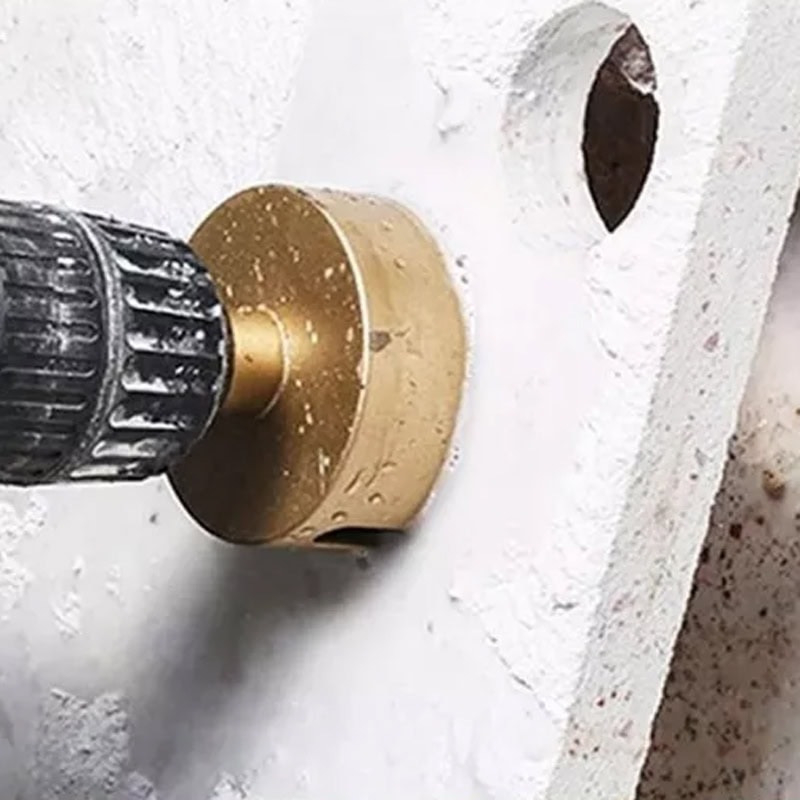
You may use diamond hole saws for any of the following tasks;
- Tile and Stone Installation. They are perfect for cutting clean holes in hard materials such as ceramic, porcelain, or stone tiles. These materials are often used for plumbing fixtures such as faucets, showerheads, or pipes.
- Glass and Porcelain Drilling. Diamond hole saws have a gentle grinding action. As such, they are suitable for drilling into fragile surfaces without shattering them.
- Concrete and Masonry Applications. In larger applications, diamond core drill bits are used for drilling deeper and wider holes in different materials. These include brick. concrete and stone, especially during new construction projects or renovations.
Whether you are tackling a bathroom remodel or a contractor cutting through hard materials, you need a diamond hole saw for the task.
Operating Parameters: RPM and Drilling Technique
Even the highest quality vacuum-brazed diamond hole saw requires the correct operating parameters to maximize its lifespan. Unlike standard twist drills, diamond hole saws grind the material rather than cutting it.
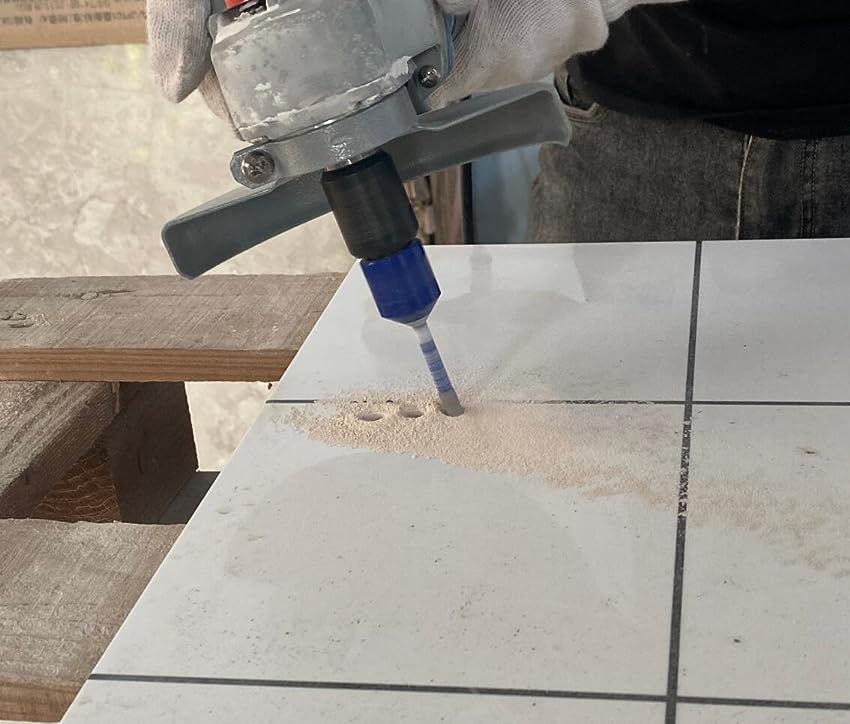
The Angled Start Technique: Because these bits do not have a center pilot drill (which would crack porcelain tile), operators must start the drill at a 45-degree angle. Once the bit creates a crescent-shaped groove to anchor itself, the operator slowly moves the drill to a 90-degree vertical position, using a slight orbital motion to clear the dust.
Recommended RPM Reference Chart
Operating speeds vary based on the specific material hardness. Always allow the diamond grit to do the work without applying excessive downward pressure.
| Hole Saw Diameter | Recommended Tool | Recommended RPM Range |
| 6mm – 14mm | Angle Grinder / High-Speed Drill | 2,000 – 3,000 RPM |
| 20mm – 35mm | Angle Grinder | 1,500 – 2,500 RPM |
| 40mm – 68mm | Angle Grinder | 1,000 – 2,000 RPM |
| 70mm+ | Heavy-Duty Grinder / Core Drill | 800 – 1,500 RPM |
What are Diamond Drill Bits Used For?
Diamond drill bits must be part of your toolbox every time you are working with hard materials. These are specialized tools that work much better than standard drill bits. They are versatile and precise, making them perfect for all professionals in the construction niche.
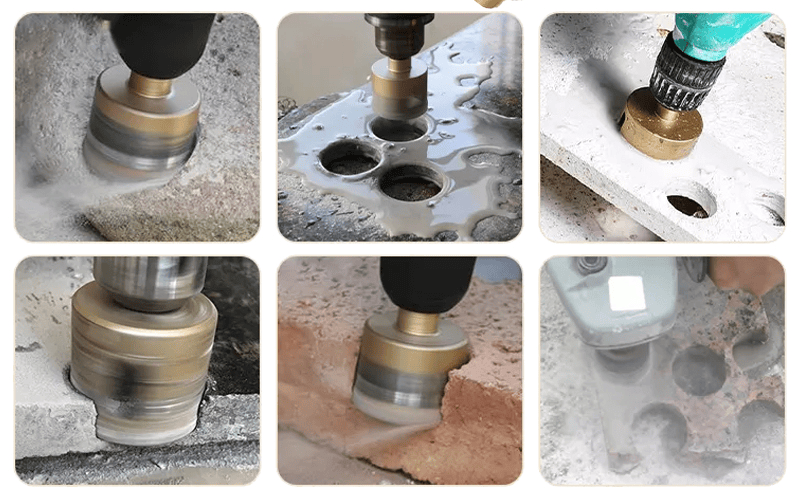
Let’s look at the breakdown of the most common applications for these diamond drill bits:
- Tile & Porcelain Projects. Diamond drill bits are perfect for cutting holes in porcelain and tiles. You will find them in use during bathroom and kitchen renovations. Whether installing a faucet, showerhead or pipe fitting, these are the best tools for the job.
- Granite & Marble. Diamond hole saws are needed for any projects that involve marble slabs and granite countertops. These drill bits offer clean and precise cuts while avoiding damage to the surface. Whether you are working on sink cutouts or modifying countertops on granite and marble surfaces, you must use the right drill bits for the job.
- Glass & Ceramics. Glass panels and ceramic vases are very delicate, and they need smooth drilling without damage. That’s where diamond bits come in handy. They can grind through gently to prevent shattering. They are practically useful when creating decorative glass objects or light fixtures.
- Concrete & Masonry. Diamond core drill bits are the best choice when drilling deeper holes into concrete walls, stone, or blocks. They are designed to handle the density and hardness of these materials. Ideally, they are often used by electricians, contractors,s and plumbers when installing piping or conduit.
In summary, diamond drill bits are ideal for precision and clean cuts. They are perfectly used on hard and brittle surfaces that can’t be accessed by traditional tools.
How to Use a Diamond Hole Saw (Step-by-Step Guide)

You can’t be a professional contractor if you don’t have the right tools for the job. Diamond hole saws are perfect for the job, but only when used correctly. Here is a detailed guide to ensure the best drilling techniques.
Step 1: Gather Your Tools & Safety Gear
Start by making sure that you have everything you need for the job. Some of the materials that you need include the following:
- Diamond hole saw or diamond core drill bit. Choose the right one depending on the type of material and the hole you are working on.
- Corded drill or rotary drill. This is available in variable speed settings. Ideally, you must avoid hammer drills since they can easily crack brittle surfaces.
- Water. This is for cooling the drilling bit.
- Clamps or a hole saw guide. These will steady your drill and center it during operation.
- Safety gear. When operating these tools, you must always wear safety goggles to protect your eyes from debris. Additionally, make sure your hands are protected by wearing gloves. Even better, you must have a dust mask when working on concrete or dry surfaces.
Step 2: Mark & Secure the Drill Area
Place a masking tape over the working surface. It will help reduce slippage on smooth surfaces such as glass or tile. Use a marker pen to indicate the area you are working on. Use clamps to secure the material or use a non-slip mat instead. On the other hand, if you are drilling into a wall, you must use a drill guide to maintain overall accuracy.
Step 3: Start Drilling at Low Speed
Start by positioning the drill at a 45-degree angle. This will help it bite into the surface. As you proceed, you should straighten it gradually into a 90-degree angle. Next, you must use light and steady pressure. If you force the drill, it may result in cracks that may eventually damage the drill bit. Make sure the drill bit is always cool using water. It can be a water reservoir or a spray bottle to prevent overheating and remove any debris.
Step 4: Complete the Cut & Smooth the Edges
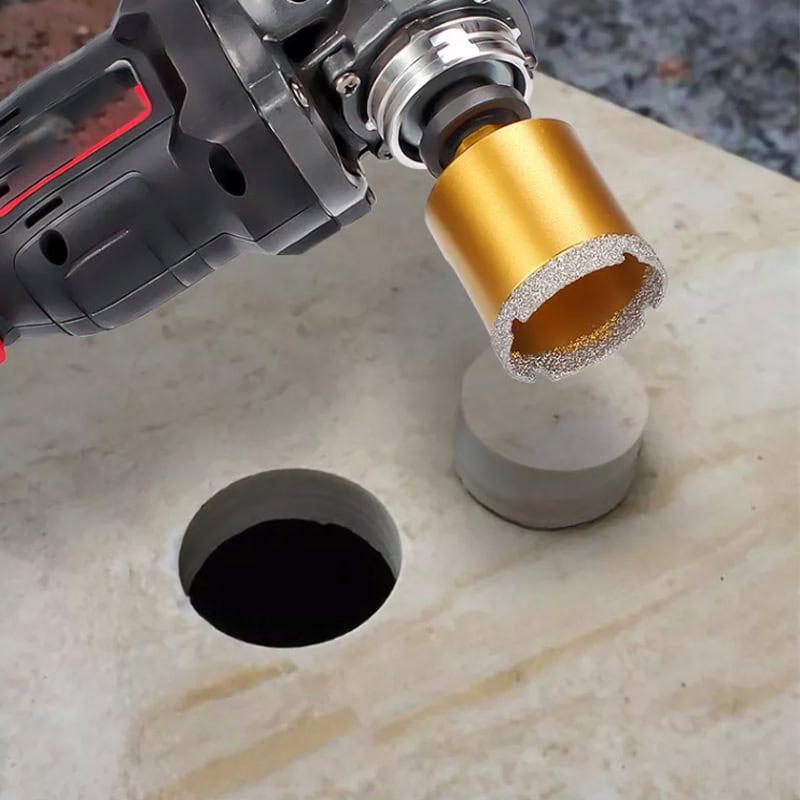
You can continue drilling until you break through the surface. For the best results, use a circular or rocking motion to help the drill bit grind evenly. Once the hole is completed, you can now smooth the edges. You can use fine-grit sandpaper or a diamond polishing stone to remove any sharp edges.
As a rule of thumb, you must consider wet drilling when working on granite, tile, concrete, or marble. It will improve the lifespan of your drill bit, thereby resulting in cleaner or more precise cuts.
Types of Diamond Drill Bits & Their Uses
Diamond drill bits are available in various sizes and shapes. Each of these tool accessories, drill bits, is ideal for particular materials. When working with these tools, you must know which type to use to achieve the best results. Even better, you can avoid damaging your surfaces.
Let’s look at the various options available in the market.
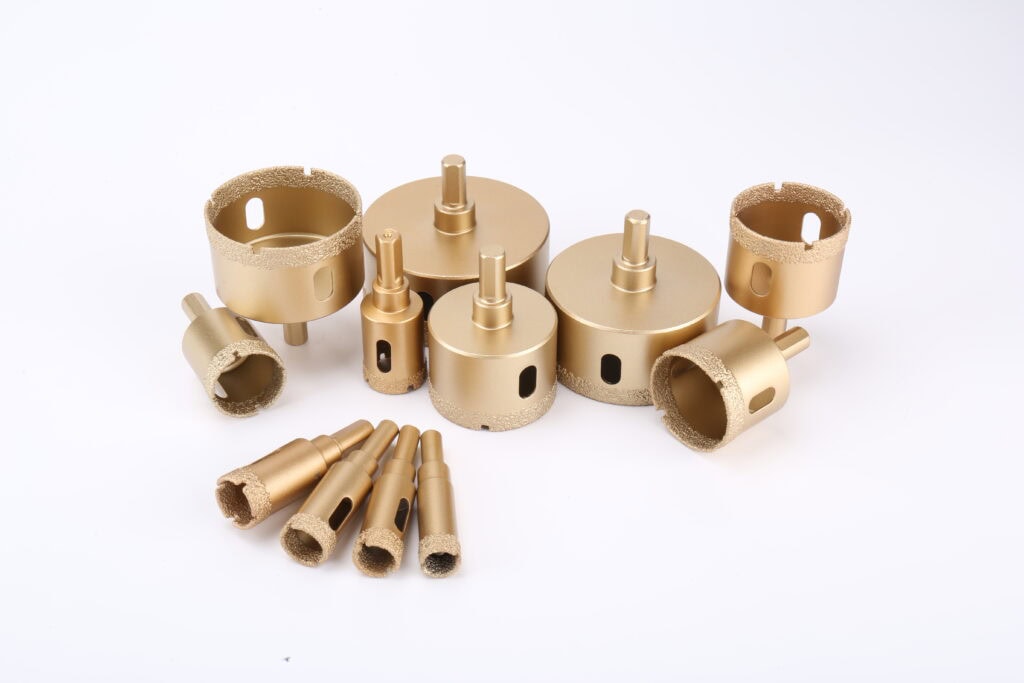
Diamond Hole Saws
They are cylindrical in shape and often used for shallow cuts. Diamond hole saws create clean and round holes, especially in hard but thin materials. They have a diamond coating on the rim that grinds through surfaces such as glass and tile without any damage.
They are often used in tile, granite, glass, and marble slate. The best diamond hole saw product is JOHNSON TOOLS Diamond Hole Saw Kit b tools power tool lineup. It comes in different sizes and is perfect for kitchen or bathroom installs.
Diamond Core Drill Bits
Often used for drilling into dense materials. Diamond core drill bits are largely used for heavy-duty jobs. Professionals working with thick stone or concrete rely on these drill bits for the best results. They are perfect for masonry, concrete, or stone countertops. The best diamond core drill bit in the market is JOHNSON TOOLS2″ Diamond Core Drill Bit. The design offers precision when working with tough materials.
Diamond Tile Bits
They are small and pointed drill bits often used on delicate surfaces. Diamond tile bits have a slim profile that allows for careful control, thereby reducing chipping of the material. They are best used on fragile tiles, ceramic, and glass.
The best diamond tile bit in the market currently is the JOHNSON TOOLS Diamond Tile Bit Set. It is excellent for detailed and fine work, especially in glass projects or decorative tile.
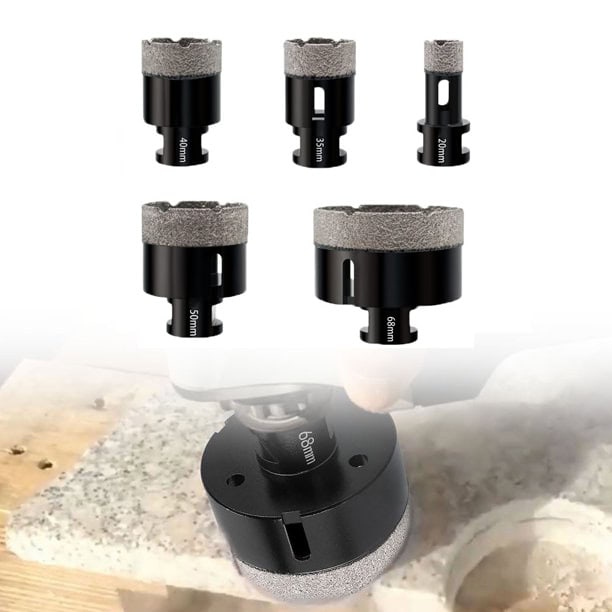
If you want less frustration in your construction project, start by choosing the right diamond drill bit or hole saw kit. These are the top-rated tool power tool accessories that are known for precision, durability, and top performance. Let’s look at each of the best tools for the job in summary.
Common Problems & Solutions When Using Diamond Drill Bits
Even when using the best tools, you are likely going to experience some issues when drilling through some materials. Here are some of the common issues you are likely to experience when using diamond drill bits and their solutions.
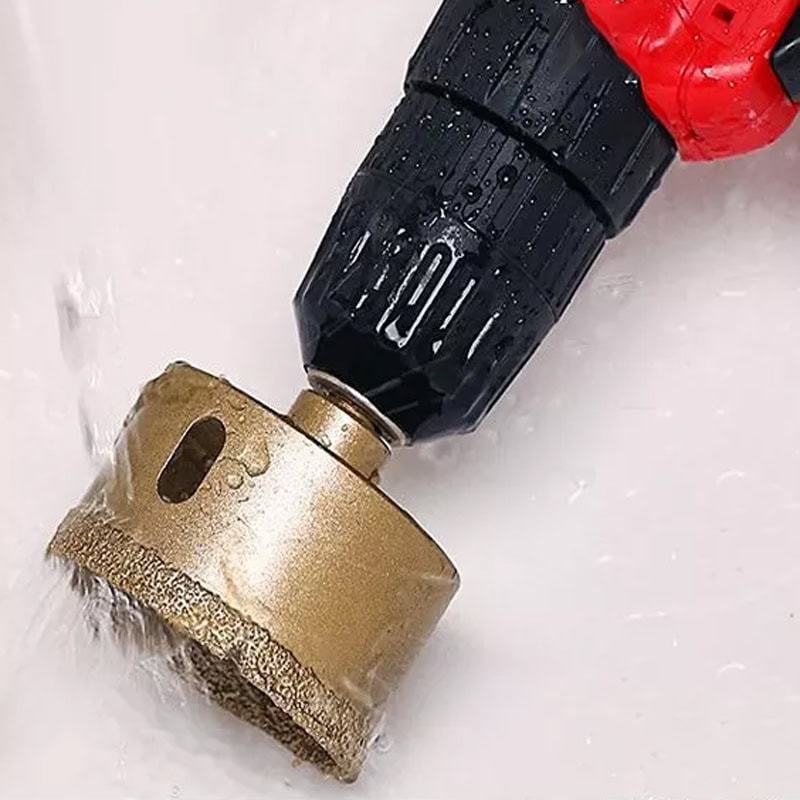
Why is my diamond drill bit overheating?
Overheating happens when you are drilling too fast or if there isn’t enough cooling. You must cool down the drill bit using water. Also, drill at a lower speed to prevent heat build-up and delay any damage to the material or the drill bit.
Why is my tile cracking while drilling for access?
When your drill starts too aggressively or if there is too much pressure, the tile may crack. Add the masking tape over the drill spot to prevent slippage of the drill bit. Next, you must always start the drill slowly and maintain a light and even pressure.
How long do diamond drill bits last?
With proper care, diamond drill bits can last 10 times longer than regular bits. When used on hard materials like concrete and granite, they will eventually wear out. As such, it should be regularly inspected and replaced after any signs of dullness.
Can I use a diamond hole saw with a regular drill?
Yes. But you need to make sure it’s a rotary or corded drill with adjustable speed levels. Don’t use a hammer drill. You should also use a clamp or guide for safety and better precision.
Conclusion
When working with hard or delicate materials, you need to choose the right diamond drill bit. Hole saws are perfect for tile, porcelain, and glass. When drilling deeper holes in harder materials such as granite and concrete, you must use diamond core drill bits. To avoid overheating, use water cooling and prevent cracking, too. Explore the best diamond hole saw kits and core drill bits today!
Professional Troubleshooting FAQ
Q1: Why is my diamond hole saw burning or turning blue?
A: This indicates extreme heat buildup. Even with vacuum-brazed dry bits, drilling continuously without clearing the dust will overheat the steel core. Use a slight oscillating (circular) motion while drilling to allow dust to escape and air to cool the bit.
Q2: Can these bits cut through both porcelain tile and the concrete wall behind it?
A: Our vacuum-brazed bits are engineered to cleanly penetrate the hard porcelain tile. However, once you break through the tile, it is best practice to switch to a standard masonry bit for the concrete or brick substrate. Using a diamond hole saw on highly abrasive cinder block or brick will prematurely wear down the diamond coating.
Q3: How do I prevent cracking porcelain tile when using a diamond hole saw?
A: Cracking is typically caused by excessive downward pressure, heat buildup, or using a dull, consumer-grade bit. To ensure a flawless, chip-free finish, always use a premium vacuum brazed diamond core bit. Let the high RPM of your angle grinder do the cutting, and never force the tool. Starting the cut at a 45-degree angle is also crucial, as it prevents the bit from skipping and scratching the delicate surface of the porcelain tile before the groove is established.
Q4: How many holes can a vacuum brazed diamond hole saw cut in hard granite?
A: Tool lifespan depends heavily on the material density, thickness, and operator technique. However, our industrial-grade granite hole cutters are engineered to deliver a significantly lower cost-per-cut. While standard electroplated bits may strip and fail after just 2 to 3 holes in dense stone, a high-quality vacuum brazed bit can efficiently complete dozens of holes. Using a slight oscillating motion during drilling drastically improves this lifespan by allowing debris to clear and heat to escape.
Q5: Do I need to use water with dry diamond core bits for angle grinders?
A: Our dry diamond core bits are specifically manufactured to withstand extreme temperatures without water, thanks to the robust metallurgical vacuum brazing process and the integrated cooling wax in smaller diameters. They are perfect for indoor installations where water damage is a concern. However, if job site conditions permit, introducing a small amount of water (wet drilling) will always maximize the lifespan of any diamond tool by flushing away abrasive debris and keeping the steel core cool.
Q6: Can tool distributors order custom wholesale diamond hole saw kits?
A: Yes. As a direct-to-distributor manufacturer, we provide comprehensive OEM diamond tool manufacturing services. Wholesale buyers and tool brands can completely customize their porcelain tile drill bit sets based on local market demands. You can select specific diameter combinations (e.g., standard 6mm, 8mm plumbing bits paired with 35mm fixture bits), specify connection threads (M14, 5/8″-11, or Hex Shank), and request custom brand engraving and tailored retail packaging.