Skip to main content Skip to footer
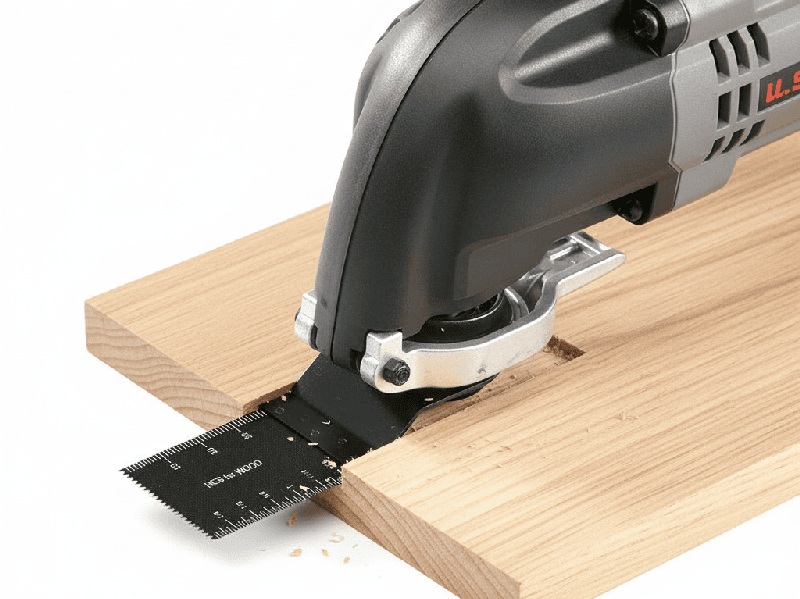
Every contractor knows the value of an oscillating multi-tool. It’s small, flexible, and handles countless jobs on site. You can use it for cutting, trimming, scraping, sanding, or even grout removal. With the right oscillating tool blades, you can cut wood, metal, tile, and plastic easily. It’s perfect for tight spaces or hard-to-reach places where a circular saw can’t fit.
An oscillating multi is ideal for installation, renovation, and repair. You can trim door jambs, remove old sealant, or prepare new flooring. Contractors prefer it because one tool handles so many attachments. In this guide, you’ll learn about multi tool blade types, their uses, and how to use an oscillating tool safely and efficiently.
Blade Compatibility and Interface Types
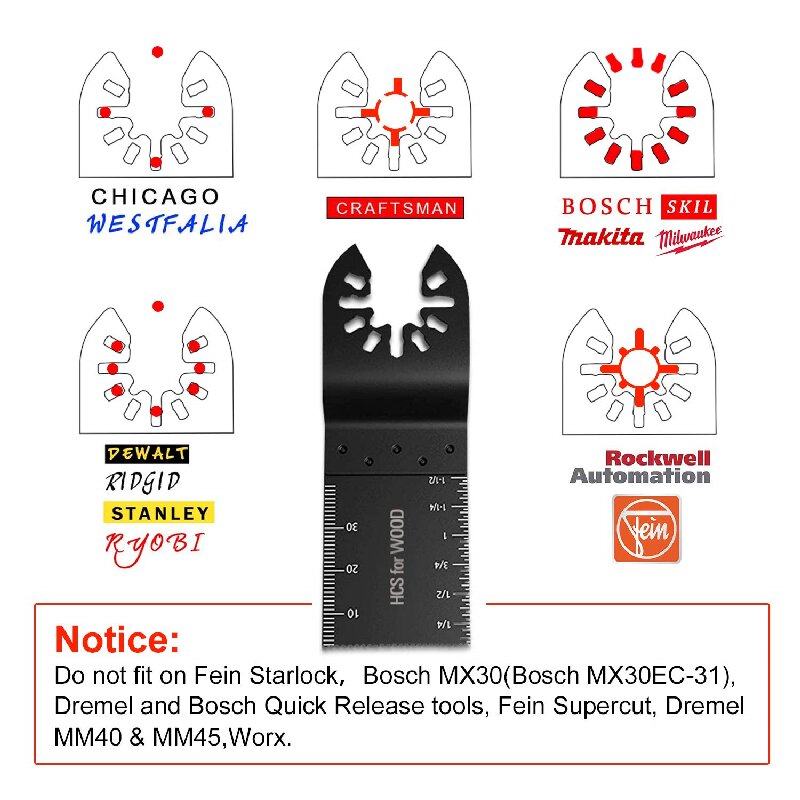
Before buying oscillating tool blades, always check compatibility. Different multi-tools use different mounting systems.
Engineering the Right Interface for Torque Transfer
Modern professional multi-tools rely on standardized mounting architectures to guarantee 100% torque transfer from the tool motor to the cutting edge without lateral slippage. The industry is primarily divided between the traditional universal fit shank (featuring an open-back anchor design that is fully Fein Multimaster / Bosch OIS compatible) and the advanced three-dimensional Starlock interface (including StarlockPlus and Starlock Max). Sourcing accessories engineered to these strict structural tolerances ensures a rigid, slip-free connection, drastically reducing tool motor fatigue and minimizing hand-numbing vibration on the job site.
Quick-Release vs. Screw-Mounted Designs: Preventing Deflection
In high-paced commercial remodeling, a quick-release mechanism is essential, allowing contractors to execute hands-free blade changes in under three seconds without auxiliary wrenches. While historical screw-mounted systems offer clamped retention, they slow down productivity during complex multi-material transitions. Regardless of the clamping style, the accessory must remain perfectly centered and rigid. A loosely seated blade causes severe deflection and excessive vibration, destroying cutting precision during delicate flush cutting, deep plunge cutting, or undercutting door jambs, while accelerating blade overheating due to irregular friction.
Confirming Compatibility for Commercial Fleets & B2B Wholesale
Before sourcing inventory for commercial construction fleets or retail distribution, verifying interface compatibility is critical to eliminate costly jobsite downtime. As a verified heavy-duty oscillating blade manufacturer, JohnsonTools engineers a comprehensive lineup of accessories designed to seamlessly fit 99% of professional power tools on the market—including Bosch, Milwaukee, DeWalt, Fein, and Harbor Freight systems. Whether you require versatile open-back shanks or high-torque Starlock profiles, contact our technical team today to explore our bulk oscillating tool blades wholesale catalogs and custom private label multi-tool accessories!
Common Multi Tool Blade Types for Making Cuts
| Blade Metallurgy / Type | Targeted Job-Site Application | Tooth Profile / Engineering | Jobsite Failure Avoided |
| High Carbon Steel (HCS) | Softwood, drywall, PVC pipes, plastic trim | Japanese tooth / Double-row teeth for rapid, clean shearing | Wood splintering & rough cut edges |
| Bi-Metal (BIM) Blades | Demolition wood, cutting nails in wood, copper pipes | Flexible steel backing bonded with high-speed steel teeth | Tooth stripping & snapping under impact |
| Carbide-Tipped Blades | Hardened screws, cast iron, cement board, abrasive demolition | Ultra-hard carbide teeth delivering up to 50x tool lifespan | Premature blade dulling & edge melting |
| Diamond Grit Blades | Tile remodeling, grout removal, precise mortar scraping | Abrasive diamond grit coating (no shearing teeth) | Ceramic tile chipping & border cracking |
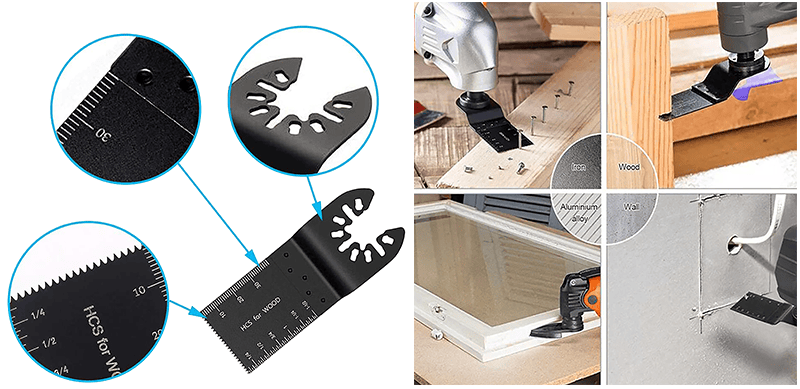
Each multi-tool blade type serves a specific purpose. Choosing the right oscillating multitool or reciprocating saws saves time and extends blade life. Let’s look at the most popular multi tool blades and their typical applications.
Wood Blades (HCS / Bi-Metal)
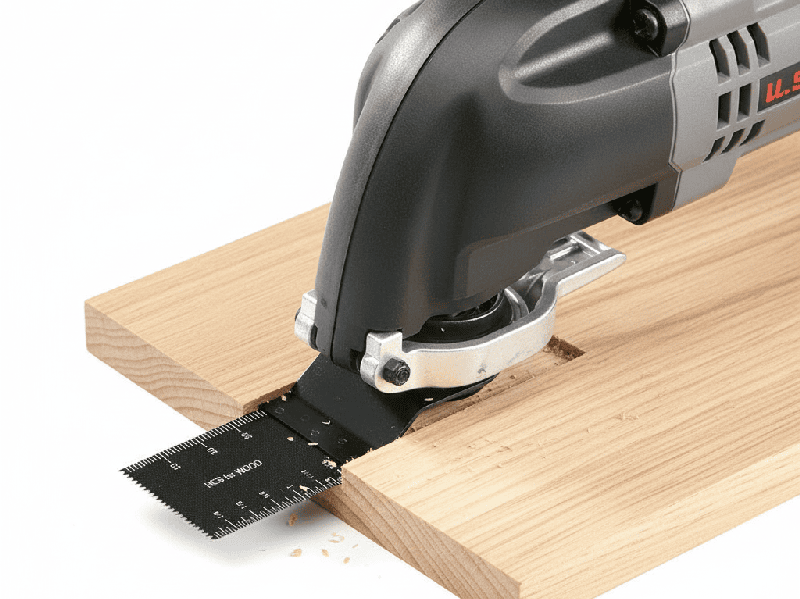
Wood blades are great for trimming door jambs, baseboards, and framing. Bi-metal versions can handle embedded nails or soft metals in wood. These oscillating tool blades offer excellent flexibility and a clean cut. Use them for fitting new flooring or making accurate cuts near door casings. Move the tool slowly for better precision.
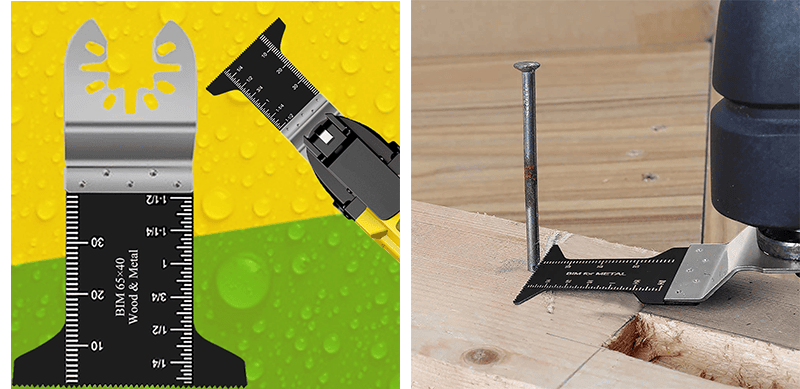
Wood + Metal (Bi-Metal)
These blades handle both materials easily. They cut through nails, pipes, and fittings. Contractors use them for restoration work or demolition where materials are mixed. They last longer than standard steel blades and are ideal for cutting metal near wood trim.
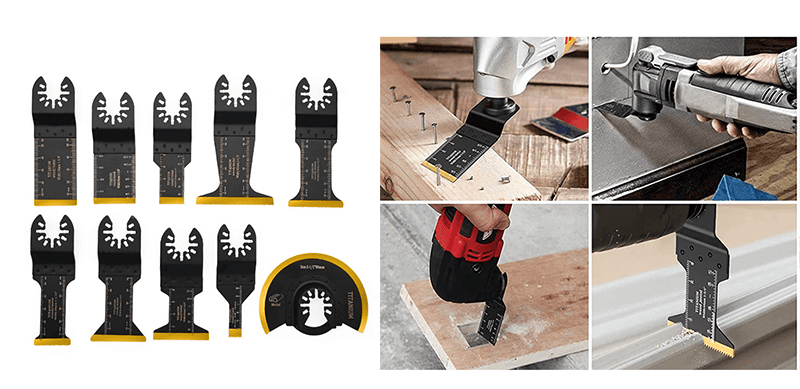
Carbide Tooth Metal cutting blade
A carbide blade works well on tough materials like stainless steel or cast iron. It stays sharp longer and resists heat. It’s perfect for metal cutting and heavy-duty demolition jobs. Always run it at low to medium speed to prevent overheating.
Diamond-Grit Blades
Diamond blades are built for hard material like tile, mortar, and cement board. They are perfect for grout removal in bathrooms or kitchens. Use them gently and avoid forcing the cut. Diamond blades deliver clean edges and last through multiple jobs.
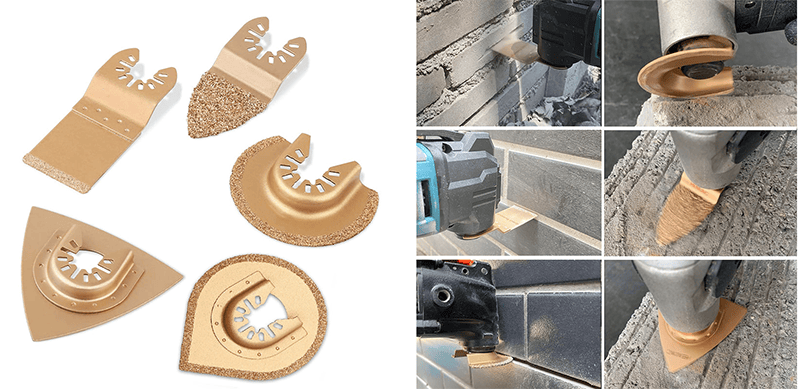
Plunge Cut Blades
These blades make quick plunge cuts for outlets, vents, or panels. They’re great for home repair or interior renovation work. Start with a slow initial cut, then move steadily. You can use an oscillating motion for better accuracy.
Segment Blades (Half-Moon)
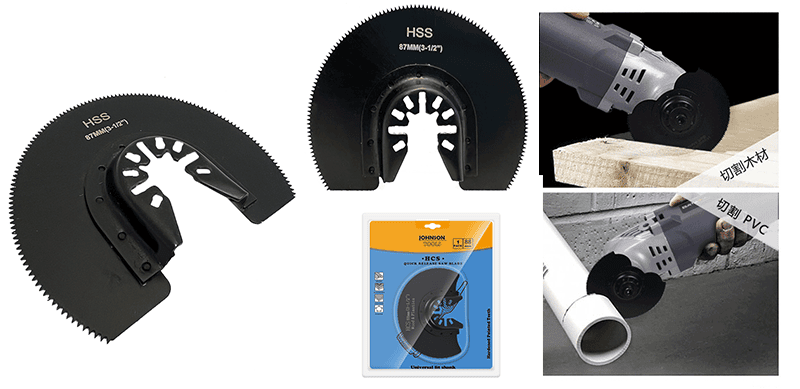
Segment blades make precise straight cuts along edges or floors. You’ll be using oscillating tools like segment blades for flush cuts under doors or baseboards. They also work well for cutting expansion joints in flooring or trimming pipe openings around electrical boxes.
Scraper Blades
Scraper blades remove adhesive, paint, or sealant efficiently. They are also useful for stripping old scrap flooring or removing re-caulking around tubs and tiles. Pairing the scraper with a heat gun speeds up removal. Keep pressure light to avoid gouging the surface.
Sanding Pads
Sanding pads turn your oscillating multi tool into a mini sander. They reach corners and edges that larger sanders can’t. Use coarse grits for shaping and fine grits for finishing. Replace worn pads frequently to maintain efficiency.
Table: Material × Blade Type × Application × Key Benefits
| Material | Blade Type | Application | Key Benefits |
|---|---|---|---|
| Wood | HCS / Bi-Metal | Trim, slotting, door jambs | Smooth, clean cuts |
| Wood + Metal | Bi-Metal | Mixed materials, fittings | Strong, flexible, long life |
| Metal | Carbide Tooth | Metal pipes, nails | Heat resistant, durable |
| Tile / Mortar | Diamond-Grit | Grout removal | Precise, long lifespan |
| Adhesive | Scraper | Floor glue, sealant | Fast removal, smooth surface |
| Multi-Material | Segment | Long cuts, trimming | Accurate and stable |
| All Surfaces | Sanding Pads | Finish, corners | Versatile, clean finish |
How to Use an Oscillating Tool
Learning how to use oscillating tool correctly ensures safety and better results. It also extends your blade life.
Choose the Correct Blade
Always select the appropriate blade for the material. A carbide blade is great for metal surfaces, while a bi metal blade handles mixed cuts. Check teeth type too — coarse for wood, fine for metal. Choosing the right blade prevents wear and improves accuracy.
Secure the Workpiece
Before using oscillating tool, clamp or stabilize your workpiece. A moving board or pipe can cause uneven cuts. Stable work also helps you maintain better control.
Adjust the Speed
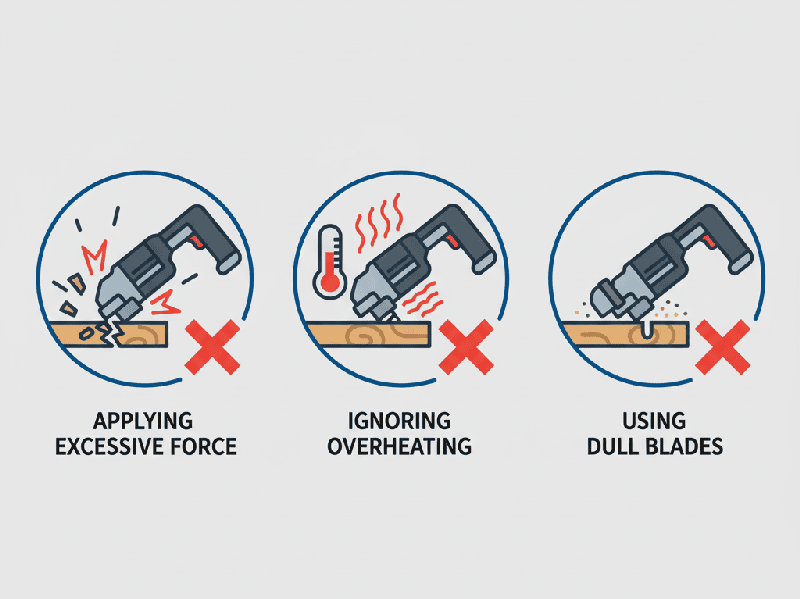
Every oscillating saw has variable speed control. Use low speed for metal cutting, medium speed for wood, and high speed for sanding. Avoid running at high speeds for too long. It can dull the blade or overheat the tool.
Apply Gentle Pressure
Let the blade do the work. Pushing too hard can bend teeth or damage the surface. For best results, keep the motion steady and use short strokes. Remember, using oscillating tool requires finesse, not force.
Avoid Common Mistakes
Don’t ignore blade wear or signs of overheating. Replace dull blades quickly. Avoid forcing the tool through dense material. Keep the surface clean, and clear sawdust between passes for smooth results.
Professional Tips: How to Use an Oscillating Multi Tool
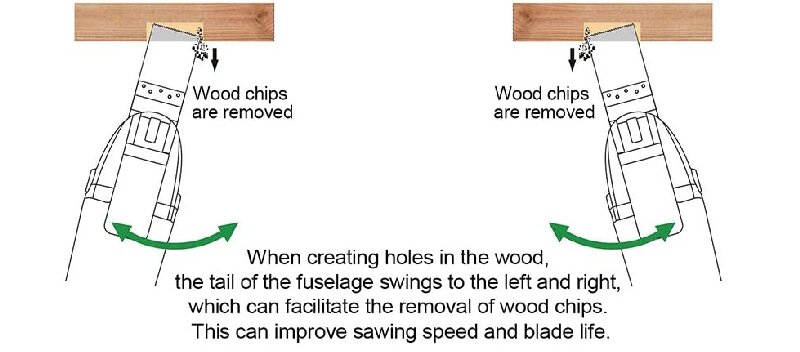
Contractors often rely on precise techniques to save time and improve quality. Here’s how to use an oscillating multi tool effectively on various materials.
- Wood Slotting: Advance gradually to avoid splintering. Hold the tool steady and guide along the cut line.
- Flush Cutting Door Frames/Baseboards: Use the flooring as a depth guide for better control. This ensures perfect alignment during new flooring installation.
- Cutting Metal Pipes or Nails: Use bi metal or carbide blades. Operate at low speed and use lubrication for smoother cuts.
- Removing Grout: Use diamond-grit blades with light pressure. Make shallow passes to prevent chipping tiles.
- Adhesive Removal: Combine a scraper blade with heat to soften glue faster. Keep your passes short and even.
- Sanding: Start with coarse sanding attachments and end with fine pads. Use dust extraction to protect air quality and extend pad life.
Common Contractor Scenarios & Blade Recommendations
Every project requires a different oscillating multi tool setup. Choosing the right blade ensures faster cuts, cleaner edges, and longer tool life.
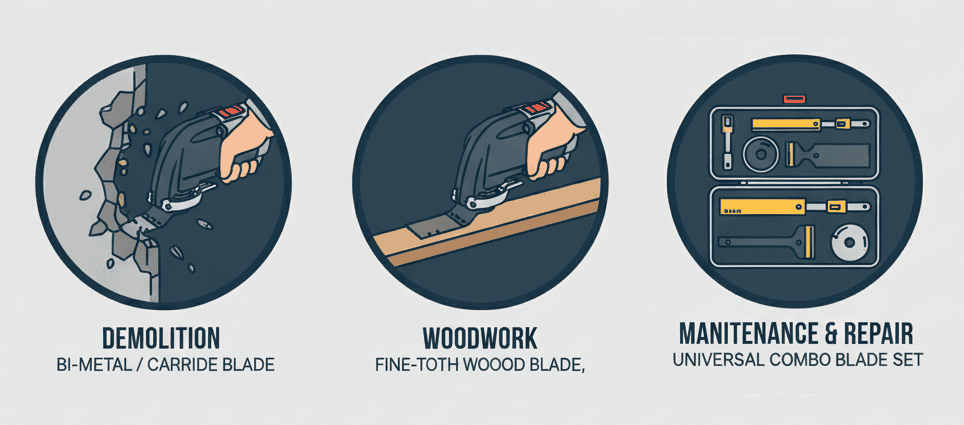
Demolition
During demolition, you often face mixed materials like wood, nails, and pipes. A bi-metal or carbide blade handles all of them with ease. These oscillating tool blades are built for strength and durability. They cut through tough materials without dulling quickly. Use steady pressure and let the multi-tool do the work. For detailed work, switch to a narrower blade to reach tighter corners or confined spots.
Woodworking / Renovation
When doing renovation or trim installation, precision is everything. Fine-tooth wood blades deliver smooth, accurate cuts without splintering. Learning how to use an oscillating multi tool makes trimming door jambs or fitting new flooring effortless. It’s also perfect for delicate work around edges or moldings where larger saws can’t fit. Move slowly to maintain control and avoid rough edges.
Bathroom Remodel
In bathroom projects, diamond-grit blades are your best option. They handle grout removal and tile cutting without breaking the surface. When using an oscillating multi, make shallow passes and apply light pressure. This protects nearby tiles and gives you precise control. These blades are also great for home repair jobs involving mortar or caulk replacement.
Floor Refurbishment
Old flooring often leaves behind stubborn glue or sealant. Scraper blades make removal fast and clean. Attach them to your oscillating multi tool and heat the area slightly for better efficiency. This technique works well on concrete or wood subfloors. For detail work near corners, use a narrow scraper attachment for a cleaner finish.
Maintenance & Repair
For general home repair or facility maintenance, a multi-blade kit is ideal. It gives you flexibility for cutting, sanding, scraping, and finishing. Keep several blade types ready (bi-metal, scraper, and diamond-grit options) so you can handle any task quickly. A good kit ensures you’re prepared for both heavy cuts and delicate work that requires precision.
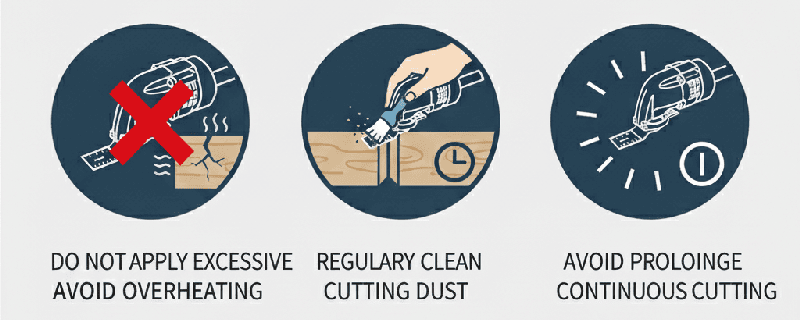
Blade Maintenance and Service Life
To extend your blade life:
- Avoid heavy pressure and overheating.
- Clean dust buildup often.
- Don’t run continuous cuts for long periods.
- Replace blades when cutting speed drops or teeth wear out.
A clean, sharp blade means smoother cuts and safer work.
Safety and Quality Control
Safety is critical when using oscillating tool on site. Always wear safety goggles, hearing protection, and a dust mask. Check the area before cutting. Avoid hitting wires or pipes inside walls. Keep a firm hand grip for better control and to reduce kickback. Always power off before changing attachments or sanding pads. Safe habits keep the job clean and injury-free.
Why Choose JohnsonTools Oscillating Tool Blades
JohnsonTools designs blades for professionals who expect consistent quality. We have wood and bi metal blades, carbide demolition blades, diamond-grit blades, scrapers, oscillating saw blades and sanding pads.
Each blade features key features like heat resistance, precise alignment, and extended wear life. They deliver better control and clean results even under heavy loads. Our blades fit most major oscillating multi tools, making them the better tool choice for large projects.
Contractors and construction firms trust JohnsonTools for reliability and performance. They’re perfect for bulk orders and long-term use on demanding sites. Contact JohnsonTools today for bulk pricing and free sample testing.
FAQ
Q1: Why do my oscillating multi-tool blades dull so fast during flush cutting?
A: Accelerated dulling is almost always caused by blade overheating and excessive thermal friction. When executing a deep flush cutting or plunge cutting maneuver in dense material, sawdust gets trapped inside the kerf. Without clearing the swarf, temperatures spike and soften the steel cutting edge. To prevent this, apply a slight sawing or rocking motion to facilitate dust evacuation, and ensure you are using bi-metal (BIM) oscillating blades when encountering wood with embedded nails.
Q2: What is the difference between a Universal Fit Shank and a Starlock Interface?
A: A universal fit shank features an open-back anchor designed to fit a wide array of multi-tools using a clamping washer or screw. The Starlock interface (including Starlock Plus and Starlock Max) is an advanced, three-dimensional star-shaped connection. It utilizes a quick-release mechanism that allows hands-free blade changes in under three seconds and guarantees 100% torque transfer from the tool motor to the cutting edge without lateral slippage or vibration.
Q3: Can you sharpen oscillating multi-tool blades?
A: While standard HCS (High Carbon Steel) blades featuring large Japanese teeth can be touched up using a fine triangular diamond file, attempting to sharpen carbide-tipped or diamond grit grout blades is highly inefficient. Grinding these heavy-duty accessories permanently strips away their specialized coating and alters the tooth geometry. For commercial contractors, replacing worn accessories with authentic, factory-optimized blades is far more cost-effective than risking poor cutting precision or worker fatigue.
Q4: Where can I source professional-grade oscillating tool blades in bulk?
A: Sourcing verified, high-endurance consumables is essential for commercial construction fleets and tool distributors. As an established heavy-duty oscillating blade manufacturer, Johnson Tools delivers lab-tested reliability, competitive bulk oscillating tool blades wholesale programs, and custom private label multi-tool accessories tailored for global distributors. Contact our technical engineering team today for a custom OEM quote!
Conclusion
Choosing the right multi tool blade types improves efficiency and cut quality. Knowing how to use oscillating tools correctly ensures longer blade life and safer operation. Whether you’re trimming door jambs, sanding corners, or cutting metal, precision matters. Use the right attachments, maintain steady control, and let the tool work for you.
For consistent results and durable blades, JohnsonTools delivers. Explore the full JohnsonTools oscillating blade series today and achieve faster, cleaner, and more precise cuts on every project.