Skip to main content Skip to footer
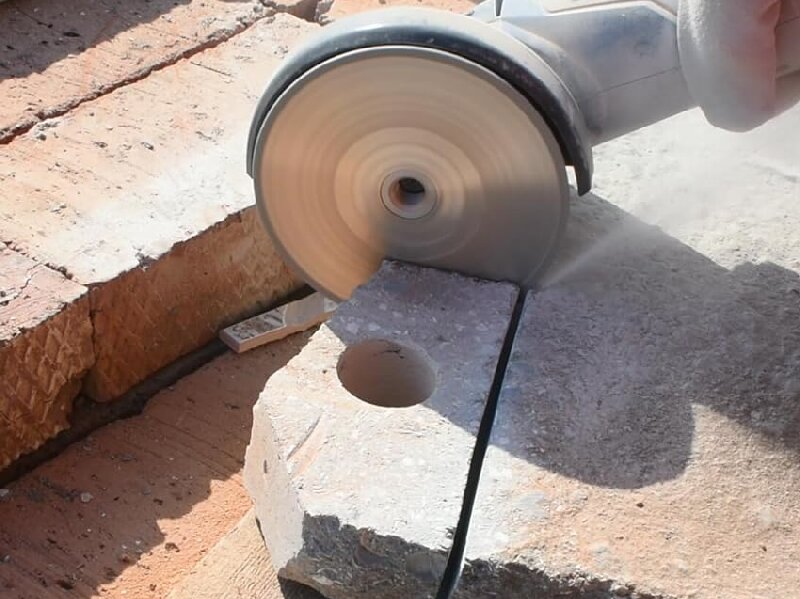
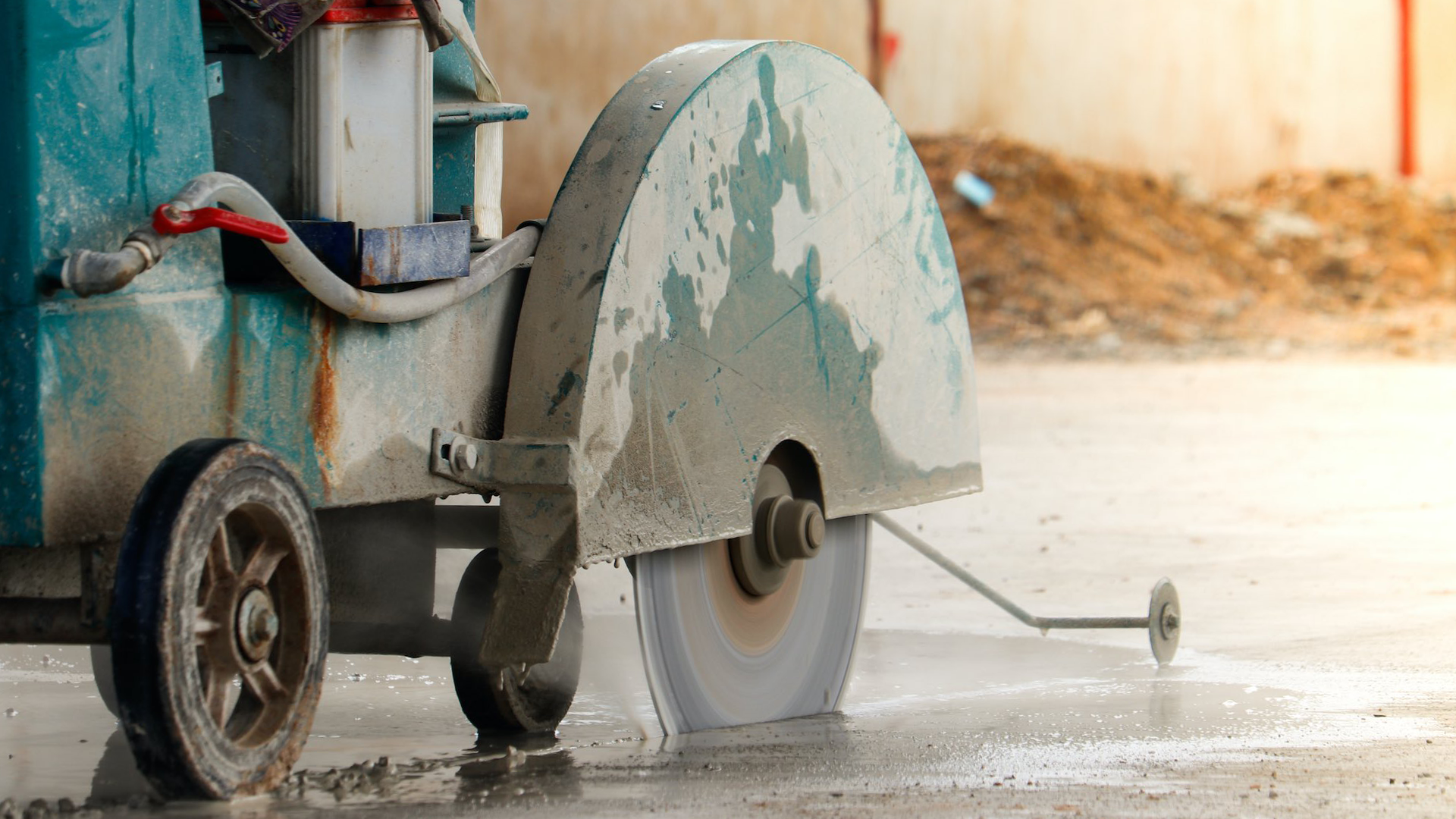
Choosing the right electroplated diamond tools is essential for efficient stone cutting, grinding, and edge profiling. Whether you operate a marble fabrication workshop, distribute diamond cutting tools, or source customized grinding wheels, understanding the differences between tool types can help you achieve better cutting performance, accurate profiles, and more consistent results.
Electroplated diamond tools are widely used in stone processing because of their exposed diamond abrasives, aggressive cutting action, and flexible design options. They are particularly useful for certain marble cutting operations, detailed edge shaping, and custom profile grinding applications.
However, not every electroplated diamond tool is suitable for every material. Tool performance depends on diamond grit size, coating quality, blade design, machine compatibility, and working conditions.
In this Electroplated Diamond Tools Buying Guide – Part 1, we will explore three major product families:
- Electroplated Diamond Saw Blades for marble and stone cutting.
- Electroplated Diamond Grinding Wheels, including hand-operated grinding and profiling wheels.
- Electroplated Diamond Profile Wheels for decorative stone edges and customized shapes.
We will also explain how to choose the right specifications, compare different diamond bonding technologies, and select suitable OEM diamond tools for professional stone processing.
1. What Are Electroplated Diamond Tools?

Electroplated diamond tools are abrasive cutting and grinding tools manufactured by fixing diamond particles onto a metal body through an electroplating process.
Most conventional electroplated diamond tools use a nickel-based bonding layer to hold a single layer of diamond particles on the tool surface.
A typical electroplated diamond tool consists of three main components:
Steel Body or Metal Core
The metal core provides structural support and determines the overall dimensions, shape, and mounting configuration of the tool.
Diamond Abrasive Grit
Diamond particles perform the actual cutting, grinding, and material removal. Different grit sizes are selected according to the material and desired surface finish.
Nickel Electroplated Bond
The nickel layer mechanically secures the diamond particles to the tool body while leaving a portion of the abrasive grains exposed.
How Does the Electroplating Process Work?
The manufacturing process generally includes:
- Preparing a metal body with the required shape and dimensions.
- Cleaning and activating the metal surface.
- Positioning diamond particles on the designated working areas.
- Depositing nickel through electroplating to secure the diamond particles.
- Inspecting the diamond coating, dimensions, and finished tool.
The result is a diamond-coated cutting or grinding surface with highly exposed abrasive grains.
Unlike conventional multi-layer sintered diamond tools, which can expose new diamond particles as their bonding material gradually wears away, standard electroplated diamond tools normally rely on the abrasive layer already present on the surface.
This structure provides aggressive initial cutting and grinding performance, but it also means tool life depends heavily on diamond retention and abrasive wear.
2. Key Features and Advantages of Electroplated Diamond Tools
Electroplated diamond cutting tools offer several important benefits for stone processing and precision grinding.
2.1 High Diamond Exposure for Aggressive Cutting and Grinding
One of the main advantages of electroplated diamond tools is their high diamond grain exposure.
Because the abrasive particles protrude from the nickel bond, they can engage the workpiece efficiently and provide sufficient space for debris removal.
This makes electroplated diamond blades and grinding wheels suitable for applications requiring aggressive cutting or controlled material removal.
For example, an electroplated diamond blade designed for marble can provide efficient cutting while helping maintain a clean cutting edge under appropriate operating conditions.

2.2 Accurate Grinding and Profile Shaping
Electroplated diamond grinding wheels can be manufactured with detailed working profiles.
The rigid metal body supports the intended geometry, making these tools useful for decorative stone edge processing.
Applications include:
- Marble countertop edge shaping.
- Bullnose edge grinding.
- Ogee and Cove profile forming.
- Decorative stone molding.
- Precision stone edge finishing.
Although electroplated tools can maintain their profile geometry well during normal operation, abrasive wear and excessive pressure can still affect the final dimensions and surface quality.
2.3 Flexible Shapes and Custom Designs
Another important benefit of electroplated diamond tools is their manufacturing flexibility.
Compared with some other abrasive bonding methods, electroplating makes it practical to apply diamond particles to complex metal surfaces and specially designed profiles.
For professional users, this allows customized tool shapes for specific stone processing applications.
Common customization options include:
- Tool diameter.
- Diamond grit size.
- Arbor or bore size.
- Thread connection.
- Grinding profile.
- Diamond coating area.
- OEM branding and packaging.
This flexibility is particularly valuable for custom electroplated diamond tools and specialized stone profiling applications.
2.4 Important Limitations to Consider
Despite these advantages, electroplated diamond tools are not always the best choice for every cutting or grinding application.
In conventional single-layer electroplated tools, the abrasive surface cannot continuously regenerate in the same way as a properly designed multi-layer sintered bond.
Heavy grinding pressure, poor cooling, unsuitable materials, or excessive operating temperatures may accelerate abrasive wear.
For continuous high-volume processing of particularly abrasive materials, a suitable sintered diamond tool may provide better overall service life.
Therefore, buyers should evaluate cutting speed, required finish, tool life, and total processing cost rather than choosing solely by the bonding technology.
3. Main Types of Electroplated Diamond Tools
Electroplated diamond tools are available in many shapes and configurations.
For stone processing applications, the most relevant categories include electroplated diamond saw blades, grinding wheels, hand profile wheels, and custom profile wheels.
3.1 Electroplated Diamond Saw Blades
Electroplated diamond saw blades are designed for cutting stone and other compatible materials using diamond particles bonded to a metal blade body.
They are commonly used for selected marble cutting applications, decorative stone processing, and specialized cutting operations.
Depending on the blade design, electroplated diamond cutting discs may feature continuous diamond rims, segmented cutting edges, protective teeth, or customized abrasive patterns.
Common Electroplated Diamond Blade Specifications
| Specification | Available Options |
|---|---|
| Product | Electroplated Diamond Saw Blade |
| Outer Diameter | 105–300 mm |
| Blade Design | Continuous Rim, Segmented, Protective Teeth, Custom Patterns |
| Standard Bore | 22.23 mm |
| Optional Mounting | Compatible Flange Configurations, Including M14 Where Applicable |
| Diamond Grit | 30/35 Mesh, 40/45 Mesh |
| Main Applications | Marble, Selected Granite and Stone Cutting Applications |
| Customization | Diameter, Bore, Rim Design, Diamond Grit, Packaging |
The specifications above represent the product range described in our manufacturing information. Final configurations depend on the application and technical confirmation.
Choosing Diamond Grit for Stone Cutting
Diamond grit size influences cutting aggressiveness, cutting edge quality, and material removal.
For example:
30/35 Mesh Diamond Grit
This relatively coarse diamond grit can be considered for applications requiring more aggressive cutting and greater debris clearance.
It may be suitable for selected stone cutting applications where material removal is a priority.
40/45 Mesh Diamond Grit
This relatively finer diamond grit can be useful when a more controlled cutting action and improved edge quality are required.
It may be considered for marble cutting and other appropriate stone processing applications.
However, grit size alone does not determine cutting performance. Diamond concentration, blade construction, coating quality, cutting speed, and the characteristics of the stone are also important.
Continuous Rim vs Segmented Electroplated Diamond Blades
Continuous Rim Electroplated Diamond Blade
A continuous abrasive cutting edge can support smoother cutting, especially when processing suitable brittle or decorative materials.
Segmented Electroplated Diamond Blade
Segmented designs introduce gaps in the cutting edge, which can assist debris clearance and suit certain cutting conditions.
The best design depends on the workpiece, tool diameter, cutting method, and required finish.
Applications of Electroplated Diamond Cutting Discs
Typical applications include:
- Cutting marble slabs and tiles.
- Processing selected natural stone materials.
- Decorative stone cutting.
- Edge trimming and localized stone shaping.
- Specialized cutting applications using compatible machines.
For hard or highly abrasive granite, tool suitability and expected service life should be evaluated through application testing.
3.2 Electroplated Diamond Grinding Wheels
Electroplated diamond grinding wheels are used to remove material from suitable workpieces through the action of exposed diamond abrasives.
Unlike diamond saw blades, which primarily perform cutting operations, grinding wheels are designed for surface contact and controlled material removal.
Depending on their design, electroplated diamond grinding tools can be used for:
- Stone surface grinding.
- Localized material removal.
- Edge correction.
- Decorative shape preparation.
- Special-purpose grinding applications.
Coarse, Medium and Fine Diamond Grit
Electroplated grinding wheels can be produced with different abrasive grit sizes.
| Grit Classification | Main Purpose | Typical Result |
|---|---|---|
| Coarse | Faster material removal | Rougher surface |
| Medium | Intermediate grinding | Balanced removal and finish |
| Fine | Controlled finishing | Finer surface texture |
The appropriate diamond grit should be selected according to the material, required finish, grinding allowance, and operating conditions.
For example, coarse diamond grit may be preferred for initial shape correction, while finer grit may be used for subsequent finishing operations.
In stone processing, electroplated grinding technology is especially useful when the working surface requires a specific geometry.
This leads to one of the most important product categories: diamond profile wheels.
3.3 Electroplated Diamond Hand Profile Wheels
Electroplated diamond hand profile wheels are specialized grinding wheels designed for shaping decorative edges on marble, granite, and other compatible stone materials.
These tools are commonly used with suitable portable stone profiling machines or angle grinders, depending on their mounting configuration and design.
They are particularly useful for producing consistent edge shapes on countertops, steps, decorative stone pieces, and architectural stone products.

Common Diamond Hand Profile Wheel Specifications
| Specification | Available Options |
|---|---|
| Product | Electroplated Diamond Hand Profile Wheel |
| Common Diameter | 65, 75, 85, 95 mm |
| Connection | M14 or 5/8″-11 |
| Diamond Grit | Coarse, Medium, Fine |
| Profile Designs | Ogee, Cove, Bullnose, Bevel, Roundover, Custom |
| Applications | Stone Edge Shaping and Decorative Profiling |
| Customization | Profile Shape, Diameter, Working Height, Thread |
Popular Stone Edge Profiles
Different stone products require different decorative edge designs.
Full Bullnose Profile
A Full Bullnose profile creates a completely rounded edge.
It is frequently used for stone countertops, steps, and decorative stone pieces.
Demi Bullnose Profile
A Demi Bullnose profile provides a partially rounded edge, offering a softer appearance while retaining more of the original stone thickness visually.
Ogee Profile
An Ogee profile combines curved sections to create a decorative edge commonly associated with traditional and architectural stone designs.
Cove Profile
A Cove profile creates a concave curved edge and can be used for decorative moldings and architectural stone features.
Bevel Profile
A Bevel profile produces an angled edge, often used for modern countertop designs or to modify sharp corners.
Roundover Profile
A Roundover profile creates a rounded transition along the stone edge.
The required profile depends on the customer’s drawing, stone thickness, design requirements, and available machine setup.
How to Choose the Right Diamond Hand Profile Wheel
Before selecting a diamond hand profile wheel, buyers should confirm:
- Required edge profile and drawing.
- Stone material and thickness.
- Wheel diameter and working height.
- Machine spindle and thread compatibility.
- Diamond grit and desired surface finish.
- Whether additional polishing steps are required.
For OEM customers, providing a profile drawing or physical sample can significantly improve specification accuracy.

3.4 Custom Electroplated Diamond Profile Wheels
For larger stone processing equipment and specialized shaping applications, custom electroplated diamond profile wheels provide additional design flexibility.
These tools are manufactured to produce particular decorative profiles, edge geometries, or molding shapes.
Compared with smaller hand profile wheels, larger profile grinding wheels may be used on suitable stationary stone processing machinery or purpose-built profiling equipment.
Common Custom Profile Wheel Specifications
| Specification | Available Options |
|---|---|
| Product | Electroplated Diamond Profile Wheel |
| Outer Diameter | 140–350 mm |
| Working Height | 5, 10, 15, 20, 30, 50 mm |
| Diamond Grit | Coarse, Medium, Fine |
| Bore Size | According to Machine Requirements |
| Profile Shape | Customized According to Drawing or Sample |
| Main Application | Stone Edge Profiling and Decorative Molding |
The advantage of a custom diamond profile wheel is the ability to match the working surface to the desired stone geometry.
However, accurate manufacturing requires clear technical information.
When requesting a quotation, buyers should provide the tool diameter, working height, mounting dimensions, profile drawing, material, and operating conditions.
For complex profiles, a technical review or sample test may be necessary before mass production.

4. Applications of Electroplated Diamond Tools in Stone Processing
Different stone materials have different physical characteristics, including hardness, abrasiveness, brittleness, and mineral composition.
These characteristics influence the selection of diamond blades, grinding wheels, and profiling tools.
4.1 Marble Cutting and Processing
Marble is one of the important application materials for electroplated diamond cutting tools.
An appropriately designed electroplated diamond blade for marble can provide an aggressive cutting action while supporting controlled cutting of decorative stone.
Typical applications include:
- Marble tile cutting.
- Marble slab trimming.
- Decorative edge correction.
- Countertop processing.
- Specialized stone cutting.
For applications where edge chipping is a concern, blade design, machine stability, feed pressure, and cutting method should be considered together.
4.2 Granite Processing
Granite generally presents more demanding abrasive and hardness characteristics than many marble varieties.
Electroplated diamond tools can be used for certain granite processing applications, particularly specialized grinding and profiling operations.
However, continuous heavy-duty granite cutting may require more wear-resistant tool designs.
For high-volume cutting, an appropriately formulated sintered diamond blade may offer better service life.
Before selecting an electroplated diamond blade for granite, buyers should evaluate the expected cutting length, granite type, machine power, and acceptable tool replacement frequency.
4.3 Stone Surface Grinding
Electroplated diamond grinding wheels can be used for localized grinding and material removal where their geometry and abrasive characteristics match the application.
Typical tasks may include edge correction, localized shaping, and preparatory grinding.
The correct tool configuration depends on contact area, machine type, grinding pressure, cooling, and surface finish requirements.
4.4 Stone Edge Profiling
Stone edge profiling is an important application for diamond hand profile wheels and custom diamond profiling tools.
Stone fabrication workshops often require multiple edge styles to meet architectural or decorative specifications.
Electroplated diamond profile wheels can be designed for:
- Bullnose edges.
- Ogee edges.
- Cove profiles.
- Beveled edges.
- Roundover edges.
- Customized decorative profiles.
Tool selection should consider profile dimensions, material type, cutting allowance, and the required final finish.
4.5 Decorative Stone Molding
Large electroplated diamond profile wheels can also be used for producing decorative stone shapes and moldings.
Examples include architectural stone edges, ornamental stone products, and specialized profile designs.
Customized grinding wheel geometry helps manufacturers reproduce a specified profile when operating conditions and tooling accuracy are properly controlled.
5. Electroplated vs Vacuum Brazed vs Sintered Diamond Tools
When selecting diamond tools for stone processing, buyers often compare electroplated, vacuum brazed, and sintered products.
Although all three technologies use diamond abrasives, their bonding methods and performance characteristics are different.
| Feature | Electroplated Diamond Tools | Vacuum Brazed Diamond Tools | Sintered Diamond Tools |
|---|---|---|---|
| Bonding Method | Nickel Electroplating | Brazed Metal Bond | Sintered Metal Bond |
| Conventional Diamond Structure | Usually Single Layer | Usually Single Layer | Commonly Multi-Layer |
| Initial Cutting Action | Aggressive | Aggressive | Depends on Bond Formula |
| Complex Profile Manufacturing | Very Flexible | Flexible | Depends on Design |
| Abrasive Renewal | Limited in Single-Layer Designs | Limited in Single-Layer Designs | New Diamond Can Be Exposed as Bond Wears |
| Typical Strength | Precision Profiles and Exposed Abrasives | Strong Diamond Attachment and Open Cutting | Long-Term Wear Resistance with Suitable Formula |
When Should You Choose Electroplated Diamond Tools?
Electroplated tools may be a good choice when complex tool geometry, high abrasive exposure, or controlled profile grinding is important.
When Are Vacuum Brazed Diamond Tools Suitable?
Vacuum brazed diamond tools use a metallurgical bonding process that can provide strong diamond attachment and aggressive cutting or grinding action.
They are commonly considered for selected multi-material and specialized cutting applications.
When Are Sintered Diamond Tools More Suitable?
Sintered diamond tools are often preferred for continuous cutting or grinding where a suitable multi-layer bond can maintain abrasive performance over a longer service life.
However, actual performance depends on the tool formula, workpiece, equipment, and operating conditions.
The best diamond tool is not necessarily the one with the longest service life or the fastest initial cutting speed. It is the tool that provides the most suitable balance of productivity, finish quality, consistency, and operating cost.
6. How to Choose the Right Electroplated Diamond Tools
Selecting suitable electroplated diamond tools requires more than choosing a diameter or grit size.
The correct decision should consider the material, application, machine, tool geometry, and desired result.
6.1 Choose According to the Material
Start by identifying the material that will be processed.
For marble cutting, an electroplated diamond saw blade may be suitable when a controlled cutting action and appropriate edge finish are required.
For decorative stone profiling, an electroplated hand profile wheel may provide the required shape.
For demanding granite applications, compare electroplated alternatives with suitable vacuum brazed or sintered tools.
Different varieties of marble, granite, and engineered stone may require different tooling conditions.
6.2 Select the Right Diamond Grit Size
Diamond grit size influences the material removal rate and surface finish.
Coarse grit generally offers a more aggressive cutting or grinding action.
Finer grit can provide more controlled material removal and a smoother intermediate finish.
When selecting between 30/35 mesh and 40/45 mesh electroplated blades, users should consider the stone material, blade design, cutting speed, and desired edge quality.
For diamond profile wheels, coarse, medium, and fine grit options can be selected according to different grinding stages.
The exact grit designation should be confirmed with the manufacturer, since abrasive grading systems and product specifications may vary.
6.3 Check Tool Size and Machine Compatibility
Machine compatibility is essential for both performance and safe operation.
Important specifications include:
- Outer diameter.
- Arbor or bore size.
- Thread connection.
- Tool working height.
- Maximum rated operating speed.
- Machine power and spindle configuration.
- Wet or dry operating requirements.
For example, some electroplated diamond cutting discs use a 22.23 mm arbor, while certain hand profile wheels use M14 or 5/8″-11 threaded connections.
These mounting systems are not interchangeable without a suitable manufacturer-approved configuration.
Users must also verify the tool’s maximum rated RPM and follow the operating instructions for the specific product.
6.4 Choose the Right Blade Design or Profile Shape
For electroplated diamond saw blades, the cutting edge design should match the cutting method and material.
For diamond profile wheels, the profile shape must match the finished stone geometry.
A correct drawing, sample, or dimensional specification helps reduce errors during tooling production.
For custom stone edge profiling tools, it is especially important to confirm the working height, profile radius, mounting dimensions, and required grinding allowance.
7. OEM and Custom Electroplated Diamond Tools for Wholesale Buyers
For diamond tool distributors, stone processing equipment suppliers, and industrial buyers, product customization is often an important purchasing requirement.
At Johnson Tools, we offer manufacturing and customization options for electroplated diamond cutting and grinding tools, including diamond saw blades, hand profile wheels, and special profile wheels.
Our product configurations can be discussed according to customer drawings, technical requirements, and target applications.
7.1 Custom Sizes and Tool Designs
Different markets and machines may require different blade diameters, bore sizes, working heights, and mounting connections.
OEM buyers can provide technical drawings, tool samples, or target specifications for evaluation.
7.2 Diamond Grit Selection
Diamond grit size can be selected according to the intended cutting or grinding performance.
Factors such as stone characteristics, surface finish requirements, and material removal rate should be considered during specification development.
7.3 Customized Stone Edge Profiles
For stone fabricators and equipment suppliers, we can review customized diamond profile wheel designs for different decorative edge shapes.
Common requests include Ogee, Bullnose, Cove, Bevel, Roundover, and other customer-defined geometries.
7.4 OEM Branding and Packaging
Private-label branding and packaging requirements can be discussed according to order quantity and product specifications.
Customization options may include product labels, packaging formats, and other agreed branding requirements.
7.5 What Information Is Required for an Accurate Quotation?
| Product Type | Information Required |
|---|---|
| Electroplated Diamond Saw Blade | Diameter, Bore Size, Blade Design, Diamond Grit, Cutting Material |
| Electroplated Diamond Grinding Wheel | Diameter, Working Geometry, Grit Size, Target Material, Machine Type |
| Electroplated Diamond Hand Profile Wheel | Diameter, Profile Shape, Working Height, Thread |
| Custom Electroplated Diamond Profile Wheel | Technical Drawing, Diameter, Height, Bore Size, Grit, Application |
For specialized products, additional information about operating speed, wet or dry processing, and expected performance may also be required.
Providing complete specifications helps reduce unnecessary sampling adjustments and improves communication during OEM production.
Looking for a Custom Electroplated Diamond Tool Manufacturer?
Whether you are sourcing electroplated diamond saw blades for marble, diamond hand profile wheels for stone fabrication, or specialized profile grinding wheels, selecting the right design is essential.
Contact Johnson Tools with your drawings, dimensions, material details, and estimated order quantity to discuss suitable OEM electroplated diamond tool solutions.
8. Frequently Asked Questions About Electroplated Diamond Tools
Q1. What are electroplated diamond tools used for?
Electroplated diamond tools are used for cutting, grinding, shaping, and profiling suitable materials.
In the stone processing industry, common applications include marble cutting, stone edge shaping, decorative profiling, and specialized grinding operations.
Different tool designs are required for different applications.
Q2. Are electroplated diamond blades suitable for cutting granite?
Some electroplated diamond blades can be used for selected granite cutting applications.
However, granite can be highly abrasive, and tool life may be limited under demanding operating conditions.
For continuous or heavy-duty granite cutting, a suitable sintered diamond blade may provide better overall performance.
Application testing is recommended before selecting an electroplated blade for intensive granite processing.
Q3. What is the difference between electroplated and sintered diamond tools?
Electroplated diamond tools generally use a single layer of diamond particles secured by a nickel-based coating.
Sintered diamond tools commonly contain diamond particles distributed through a metal bonding structure.
As the sintered bond wears, additional diamond particles may become exposed.
Electroplated tools offer advantages in abrasive exposure and complex geometry, while suitable sintered tools can offer longer service life in continuous processing applications.
Q4. How long do electroplated diamond tools last?
The service life of electroplated diamond tools depends on several factors, including:
- Diamond grit quality.
- Nickel bond quality.
- Workpiece material.
- Grinding or cutting pressure.
- Tool speed.
- Cooling conditions.
- Operating technique.
Because conventional electroplated tools generally use a single abrasive layer, their cutting or grinding ability gradually declines as the exposed diamond particles wear or detach.
There is no universal operating life that applies to every electroplated diamond blade or grinding wheel.
Q5. Can electroplated diamond tools be used for wet and dry cutting?
Some electroplated diamond tools are designed for dry operation, while others can be used with water cooling.
The correct operating method depends on the individual product design, machine, and processed material.
Users should always follow the manufacturer’s approved operating conditions.
Water cooling may help control temperature and dust in suitable applications, but it does not mean every electroplated tool is automatically suitable for wet cutting.
Appropriate dust control and personal protective equipment remain essential.
Q6. Can electroplated diamond profile wheels be customized?
Yes. Electroplated diamond profile wheels can be produced with customized dimensions, working surfaces, and decorative profiles, subject to manufacturing feasibility.
Buyers should provide details such as diameter, working height, bore or thread connection, desired profile, grit size, and target material.
A technical drawing or physical sample is particularly useful for complex stone edge designs.
9. Conclusion: Finding the Right Electroplated Diamond Tools for Your Application
Electroplated diamond tools offer valuable advantages for stone cutting, grinding, and decorative edge profiling.
Their exposed diamond abrasives support aggressive cutting and grinding, while the electroplating process allows flexible tool designs and complex working geometries.
For different applications, the correct product selection may include:
- Electroplated Diamond Saw Blades for selected marble and stone cutting applications.
- Electroplated Diamond Grinding Wheels for controlled material removal and specialized grinding.
- Electroplated Diamond Hand Profile Wheels for decorative stone edge shaping.
- Custom Electroplated Diamond Profile Wheels for specialized stone processing and architectural profiles.
When selecting electroplated diamond tools, buyers should consider material compatibility, diamond grit, machine requirements, tool geometry, and expected processing conditions.
For distributors, stone fabricators, and OEM buyers, working with an experienced diamond tool manufacturer can help ensure that customized products meet the intended technical requirements.
Johnson Tools provides electroplated diamond tool manufacturing and customization solutions for professional stone processing applications.
Contact our team to discuss electroplated diamond blades, diamond profile grinding wheels, and customized OEM specifications.