Skip to main content Skip to footer

Choosing the right diamond saw blade is essential for achieving fast cutting, stable performance, good edge quality, and longer blade life.
Different materials place very different demands on a blade. A blade that performs well on hard cured concrete may wear too quickly on abrasive asphalt. A segmented concrete blade may cut aggressively, but it may not provide the clean edge required for porcelain tile or marble.
For contractors, distributors, and professional tool buyers, the correct diamond blade should be selected according to:
- Target material
- Blade diameter
- Rim or segment design
- Bond hardness
- Wet or dry cutting
- Saw type
- Arbor size
- RPM
- Required cutting speed
- Desired edge quality
- Expected blade life
As a professional diamond blade manufacturer and supplier, Johnson Tools produces diamond saw blades for concrete, reinforced concrete, asphalt, masonry, granite, marble, ceramic tile, porcelain, and other construction materials.
This guide explains how to choose the correct diamond blade for different cutting applications.
Quick Diamond Blade Selection Guide
| Material | Recommended Blade | Typical Rim Type | Main Priority |
|---|---|---|---|
| Hard Concrete | Segmented Diamond Blade | Segmented | Fast cutting and diamond exposure |
| Reinforced Concrete | Laser-Welded Diamond Blade | Segmented | Concrete + rebar cutting |
| Asphalt | Asphalt Diamond Blade | Segmented / Drop Segment | Wear resistance |
| Porcelain Tile | Continuous Rim Diamond Blade | Continuous | Low chipping |
| Ceramic Tile | Continuous Rim Blade | Continuous | Clean edge |
| Granite | Turbo / Continuous Rim Blade | Turbo / Continuous | Speed + edge quality |
| Marble | Continuous Rim Blade | Continuous | Smooth cutting |
| Masonry | Segmented / Turbo Blade | Segmented / Turbo | Versatility |
Best Diamond Blade for Concrete
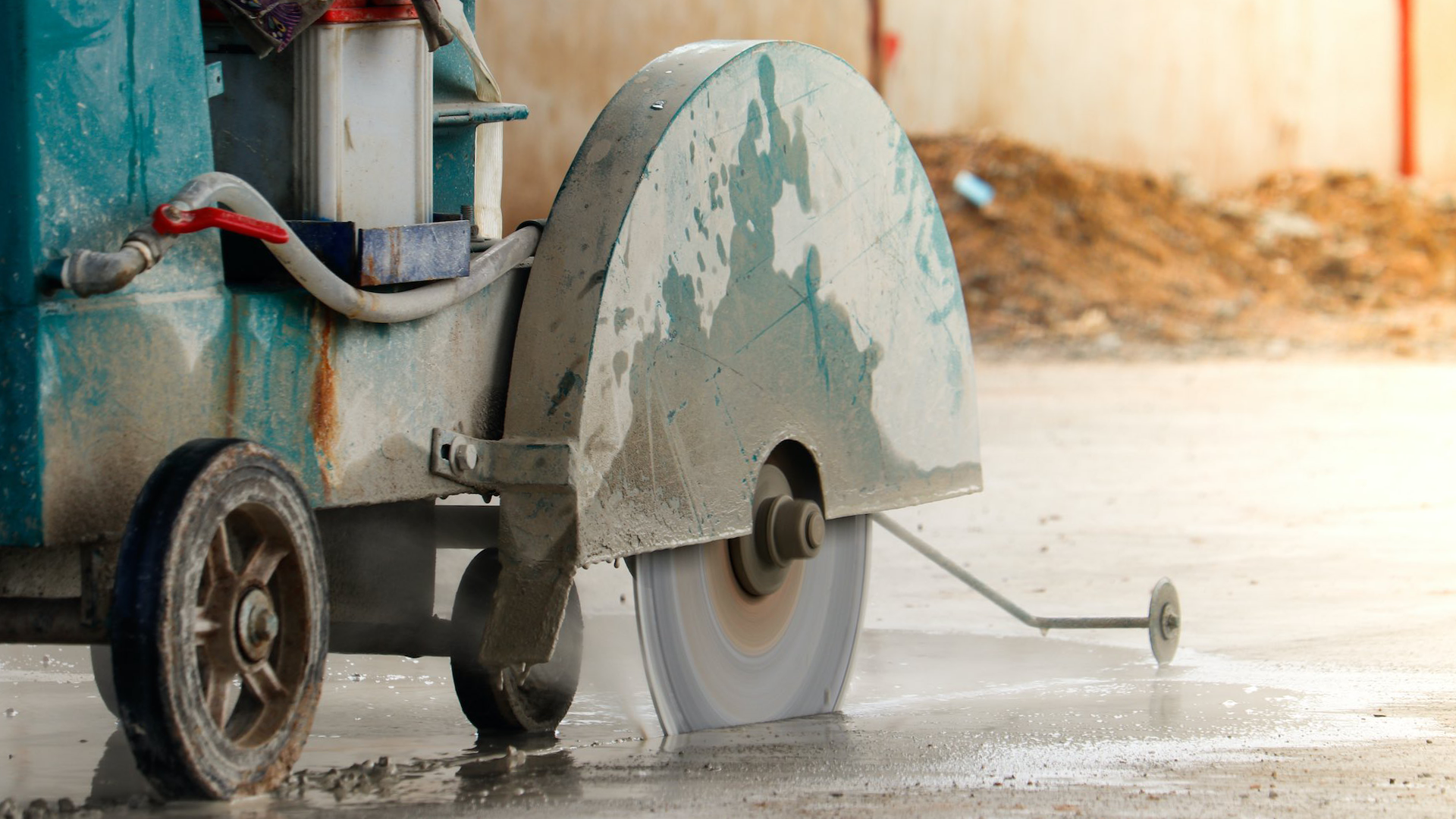
For general concrete cutting, a segmented diamond blade for concrete is one of the most common choices.
The open spaces between segments help improve:
- Cooling
- Debris removal
- Cutting speed
- Dust and slurry clearance
Concrete blades are commonly used for:
- Concrete slabs
- Concrete floors
- Curbs
- Pavement
- Blocks
- Structural concrete
Hard Concrete
Hard cured concrete usually requires a blade with a bond that allows fresh diamond particles to be exposed efficiently.
If the bond is too hard, the blade may glaze and stop cutting effectively.
Relevant product keywords include:
- diamond blade for hard concrete
- concrete cutting diamond blade
- segmented diamond blade for concrete
- concrete saw blade
Soft or Abrasive Concrete
Softer concrete can be more abrasive and may wear segments quickly.
A harder bond is often preferred to slow segment wear.
For highly abrasive materials, undercut protection or drop segments may also help protect the steel core.
Best Diamond Blade for Reinforced Concrete
Reinforced concrete combines hard aggregate with embedded steel rebar.
For this application, a reinforced concrete diamond blade should be designed to cut both concrete and steel reinforcement.

Laser-Welded Diamond Blade for Concrete with Rebar
For demanding professional use, laser-welded diamond blades are widely used because laser welding provides a strong connection between the segment and steel core.
Typical applications include:
- Reinforced concrete floors
- Walls
- Structural slabs
- Bridges
- Road construction
- Demolition
Relevant keywords include:
- reinforced concrete diamond blade
- diamond blade for concrete with rebar
- concrete saw blade for rebar
- laser welded diamond blade
- diamond blade for reinforced concrete
Blade performance also depends on:
- Diamond concentration
- Bond formulation
- Segment geometry
- Saw horsepower
- RPM
- Wet or dry cutting
Best Diamond Blade for Asphalt

Asphalt is much more abrasive than hard concrete.
A standard concrete blade may wear too quickly when used continuously on asphalt.
An asphalt diamond blade normally uses:
- Harder bond
- Wider or protective segments
- Undercut protection
- Segment designs for abrasive materials
Typical applications include:
- Road cutting
- Asphalt pavement
- Parking lots
- Utility trenching
Relevant keywords include:
- asphalt diamond blade
- diamond blade for asphalt
- road saw blade for asphalt
- asphalt cutting blade
For mixed roadwork involving both asphalt and concrete, choose a blade specifically designed for multi-material or combination cutting.
Best Diamond Blade for Porcelain and Ceramic Tile
Porcelain and ceramic tile require clean edges and minimal chipping.
For these materials, a continuous rim diamond blade is usually preferred.

Diamond Blade for Porcelain Tile
Porcelain is dense, hard, and brittle.
A porcelain blade should provide:
- Fine diamond grit
- Thin kerf
- Stable steel core
- Smooth continuous rim
- Low vibration
Relevant keywords include:
- diamond blade for porcelain tile
- porcelain cutting blade
- continuous rim diamond blade
- tile cutting diamond blade
Diamond Blade for Ceramic Tile
Ceramic tile is generally easier to cut than porcelain, but edge quality is still important.
A fine continuous rim blade can provide smooth and controlled cutting.
For professional tile work, wet cutting can help reduce heat and chipping.
Best Diamond Blade for Granite and Marble
Natural stone requires a blade matched to both hardness and finish requirements.

Diamond Blade for Granite
Granite is hard and abrasive.
A turbo diamond blade or stone-specific continuous rim blade can provide a good balance between cutting speed and edge quality.
Common keywords include:
- diamond blade for granite
- granite cutting blade
- turbo diamond blade for granite
- stone cutting diamond blade
Diamond Blade for Marble
Marble is softer than granite but can chip or mark easily.
For clean decorative cuts, a smooth continuous rim blade is generally preferred.
Common keywords include:
- diamond blade for marble
- marble cutting blade
- continuous rim blade for stone
Segmented vs Turbo vs Continuous Rim Diamond Blades
Choosing the correct rim design is one of the most important parts of diamond blade selection.
Segmented Diamond Blade
Best for:
- Concrete
- Reinforced concrete
- Masonry
- Asphalt
Advantages:
- Fast cutting
- Good cooling
- Excellent debris removal
Turbo Diamond Blade
Best for:
- Concrete
- Masonry
- Granite
- Stone
Advantages:
- Good cutting speed
- Smoother edge than aggressive segmented blades
- Suitable for general-purpose applications
Continuous Rim Diamond Blade
Best for:
- Porcelain
- Ceramic tile
- Marble
- Glass-related applications
- Decorative stone
Advantages:
- Cleaner edge
- Reduced chipping
- Better finish
Wet vs Dry Diamond Blades
Diamond blades can be designed for wet cutting, dry cutting, or both.
Wet Cutting Diamond Blades

Wet cutting uses water to cool the blade.
Advantages include:
- Lower cutting temperature
- Reduced airborne dust
- Better slurry removal
- Longer blade life in demanding applications
- Better performance during long cuts
Wet cutting is commonly used for:
- Reinforced concrete
- Large-diameter blades
- Wall saws
- Floor saws
- Tile and stone cutting
Dry Cutting Diamond Blades
Dry cutting is convenient when water is unavailable.
It is commonly used for:
- Handheld saws
- Angle grinders
- Circular saws
- Small repair jobs
- Outdoor construction
Dry cutting generates more heat, so the blade must be rated for dry use.
Wet vs Dry Blade Comparison
| Feature | Wet Cutting | Dry Cutting |
|---|---|---|
| Cooling | Excellent | Limited |
| Dust | Lower | Higher |
| Continuous Cutting | Better | More limited |
| Setup | More complex | Easier |
| Blade Life | Often longer | Application-dependent |
How to Choose Diamond Blade Size
Blade diameter must match the machine and required cutting depth.
Common sizes include:
- 4.5 inch diamond blade
- 5 inch diamond blade
- 7 inch diamond blade
- 9 inch diamond blade
- 10 inch diamond blade
- 12 inch concrete blade
- 14 inch concrete blade
- 16 inch floor saw blade
- 18 inch diamond blade
- 20 inch concrete saw blade
- 24 inch floor saw blade
For large wall saw applications, blades can also be supplied in much larger diameters.
Always confirm:
- Machine model
- Maximum blade diameter
- Arbor size
- Maximum RPM
- Required cutting depth

Diamond Blade by Machine Type
Different machines require different blade specifications.
Diamond Blade for Angle Grinder
Common for:
- Tile
- Stone
- Masonry
- Small concrete cutting
Typical sizes:
- 4″
- 4.5″
- 5″
- 7″
Diamond Blade for Circular Saw
Common for:
- Concrete floors
- Concrete slabs
- Masonry
- Stone
Diamond Blade for Concrete Saw
Used for:
- Slabs
- Pavement
- Curbs
- Reinforced concrete
Floor Saw Diamond Blade
Designed for:
- Long straight cuts
- Roads
- Industrial floors
- Concrete slabs
Wall Saw Diamond Blade
Used for:
- Door openings
- Window openings
- Structural walls
- Reinforced concrete
Bridge Saw Diamond Blade
Used mainly for:
- Granite
- Marble
- Engineered stone
- Stone slabs
How to Choose the Right Bond Hardness
The metal bond controls how quickly worn diamonds are released and new diamonds are exposed.
As a general principle:
- Hard material → softer bond
- Soft / abrasive material → harder bond
If the bond is too hard, the blade may glaze.
If the bond is too soft, the segment may wear too quickly.
Correct bond selection is especially important for:
- Hard concrete
- Green concrete
- Asphalt
- Granite
- Reinforced concrete
Common Diamond Blade Problems and Solutions
Diamond Blade Is Not Cutting
Possible causes include:
- Glazed segments
- Wrong bond
- Incorrect RPM
- Insufficient machine power
- Poor cooling
Solution:
- Dress the blade
- Check RPM
- Confirm material compatibility
- Improve cooling
Diamond Blade Wears Too Fast
Possible causes include:
- Bond too soft
- Highly abrasive material
- Excessive cutting pressure
- Incorrect blade specification
Solution:
- Use a harder bond
- Reduce feed pressure
- Select a material-specific blade
Diamond Blade Overheats
Possible causes include:
- Dry cutting for too long
- Insufficient water
- Excessive feed pressure
- Wrong RPM
Solution:
- Improve cooling
- Reduce pressure
- Use intermittent dry cuts when necessary
Diamond Blade Chips Tile
Possible causes include:
- Wrong rim design
- Dull blade
- Excessive feed speed
- Saw vibration
Solution:
- Use a continuous rim blade
- Reduce feed speed
- Check blade sharpness and machine alignment
Diamond Blade Loses Segments
Possible causes include:
- Improper blade use
- Blade twisting
- Excessive side pressure
- Wrong blade specification
- Severe machine vibration
Stop using the blade immediately if segment loss occurs.
How to Extend Diamond Blade Life
To improve blade life:
- Match the blade to the correct material
- Use the proper RPM
- Avoid excessive feed pressure
- Maintain sufficient cooling
- Keep the machine aligned
- Use the correct bond hardness
- Avoid side loading
- Store blades properly
Blade life is not determined by segment height alone.
Bond formulation, diamond concentration, steel core quality, and cutting conditions all affect performance.
How to Choose a Diamond Blade Manufacturer
For contractors, distributors, and private-label brands, choosing the right diamond blade manufacturer is just as important as choosing the blade specification.
A professional supplier should provide:
- Material-specific blade formulas
- Stable batch quality
- Multiple diameters
- Custom arbor sizes
- Wet and dry options
- Laser-welded blades
- OEM branding
- Private-label packaging
- Technical support
Important supplier keywords include:
- diamond blade manufacturer
- diamond blade supplier
- wholesale diamond blades
- OEM diamond blade
- custom diamond saw blade
- private label diamond blade
OEM and Wholesale Diamond Saw Blades
Johnson Tools manufactures and supplies diamond blades for:
- Concrete
- Reinforced concrete
- Asphalt
- Masonry
- Porcelain
- Ceramic tile
- Granite
- Marble
- Stone
OEM options can include:
- Custom blade diameter
- Custom arbor size
- Custom segment height
- Custom bond formula
- Laser welding
- Wet or dry use
- Logo marking
- Blade color
- Custom packaging
- Private label
For accurate product recommendations, customers should provide:
- Target material
- Machine model
- Blade diameter
- Arbor size
- Wet or dry cutting
- Required cutting depth
- Reinforcement level
- Order quantity
Frequently Asked Questions
What diamond blade should I use for concrete?
A segmented diamond blade is commonly used for concrete. For reinforced concrete, choose a blade designed for cutting both concrete and rebar.
What is the best diamond blade for reinforced concrete?
A laser-welded reinforced concrete blade with a suitable segment formula is commonly used for professional applications.
Can I use a concrete blade on asphalt?
It is possible in some cases, but asphalt is highly abrasive and may wear a concrete blade quickly. An asphalt-specific blade is usually better.
What blade is best for porcelain tile?
A fine continuous rim diamond blade is generally recommended for porcelain because it helps reduce chipping.
What blade should I use for granite?
A turbo or granite-specific diamond blade is commonly used.
Is wet cutting better than dry cutting?
Wet cutting provides better cooling and dust control, while dry cutting offers faster setup and portability.
What happens if the diamond blade bond is too hard?
The segment may glaze and stop exposing fresh diamonds, causing cutting speed to decrease.
Why does my diamond blade wear out quickly?
Possible causes include using too soft a bond, cutting abrasive material, excessive pressure, poor cooling, or using the wrong blade.
Can diamond blades be customized?
Yes. Diamond blades can be customized in diameter, arbor size, segment dimensions, bond formula, wet or dry use, branding, and packaging.
Does Johnson Tools offer OEM diamond blades?
Yes. Johnson Tools supports OEM and wholesale diamond saw blade production for distributors, contractors, and private-label brands.
Conclusion
Choosing the right diamond blade depends on the material, saw type, blade diameter, bond hardness, segment design, wet or dry cutting method, and required finish.
For concrete and reinforced concrete, segmented and laser-welded blades are widely used. Asphalt requires more wear-resistant blade designs, while porcelain and ceramic tile typically require continuous rim blades for clean cuts. Granite and marble require stone-specific blade formulas.
For professional buyers, selecting the correct blade not only improves cutting speed but can also reduce blade wear, improve edge quality, and lower overall operating cost.
Johnson Tools supplies OEM and wholesale diamond saw blades for concrete, reinforced concrete, asphalt, tile, granite, marble, masonry, and other cutting applications.